The Unyielding Grip: How Conflict, Climate, and Debt Perpetuate Global Poverty
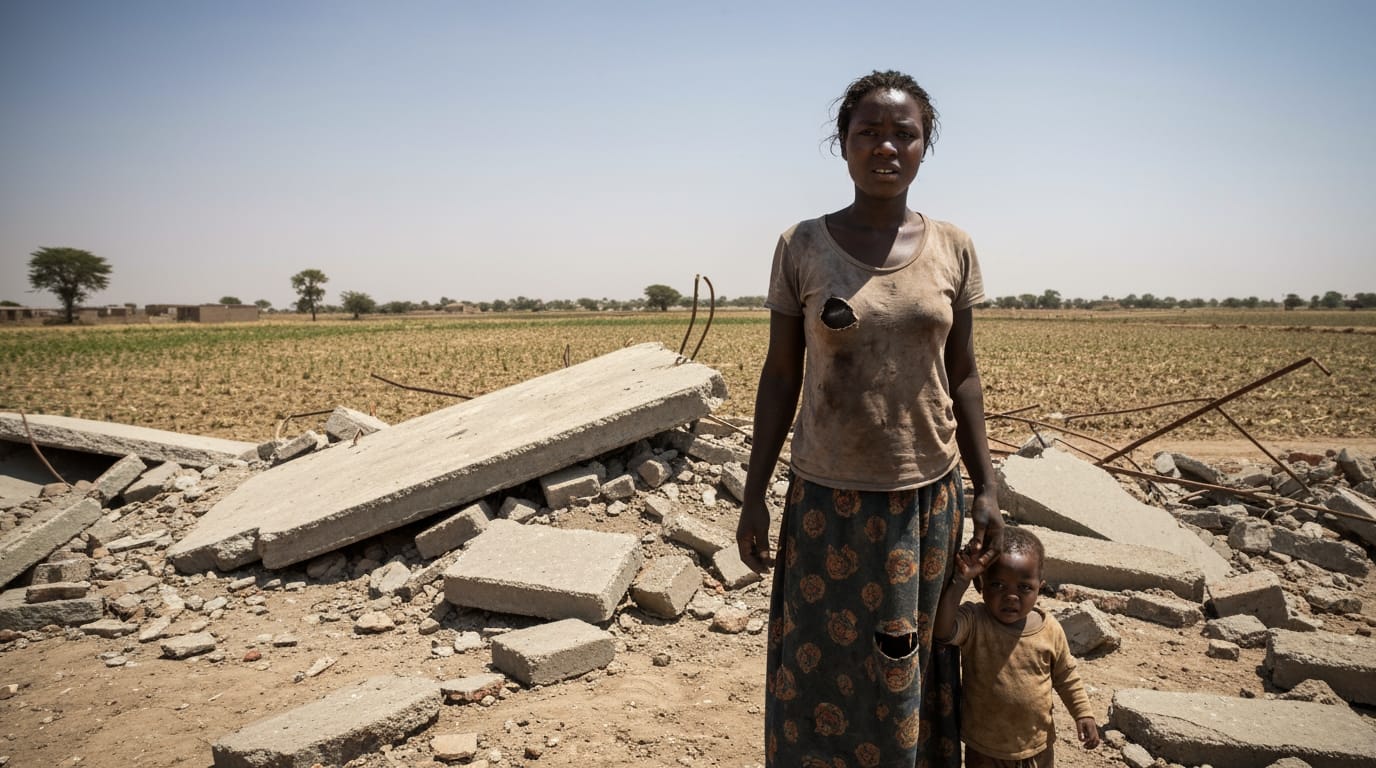
For billions across the globe, the elusive promise of a life free from destitution remains just that—a promise. Despite decades of international efforts and significant advancements in some regions, extreme poverty continues its relentless siege, largely fueled by a complex and often devastating trinity: protracted conflict, an escalating climate crisis, and crippling financial constraints. These interconnected forces do not merely exist in parallel; they intertwine, amplify one another, and create a formidable barrier to progress, trapping vulnerable populations in a vicious cycle that is proving increasingly difficult to break.
The Scars of Conflict: Poverty's Deepest Roots
Conflict stands as a brutal architect of poverty, directly dismantling the foundations of economic stability and human dignity. Regions engulfed in war or instability exhibit alarmingly high rates of destitution, a stark contrast to more peaceful developing economies. In economies grappling with conflict or instability, the extreme poverty rate hovers at nearly 40%, significantly higher than the 6% observed in other developing nations. The economic fallout is immediate and enduring: per capita Gross Domestic Product (GDP) in these tumultuous areas has seen little growth since 2010, while other developing economies have experienced more than a doubling of theirs. High-intensity conflicts alone can slash a country's GDP per capita by approximately 20% within five years.
The human cost is staggering. Approximately 455 million people, nearly half of the world's 1.1 billion poor, reside in countries exposed to violent conflict. Poverty rates in these areas are almost three times higher than in non-conflict zones, underscoring how war ravages livelihoods, displaces communities, and obliterates essential infrastructure such as water systems, energy centers, and hospitals. When individuals are forced from their homes, they lose not only their land and possessions but also their professions and vital social networks, often finding themselves unable to rebuild their wealth or stability in new contexts. Furthermore, there is a clear, dangerous feedback loop: a country ranking in the bottom 10% on a global poverty scale is six times more likely to experience violent civil conflict, illustrating how deprivation itself can become a precursor to further instability.
Climate Change: A Poverty Multiplier on the Front Lines
While the fires of conflict rage, the slow burn of climate change disproportionately scorches the world's most vulnerable. Developing countries, particularly low-income communities, bear the brunt of environmental degradation despite contributing minimally to the problem; the 74 lowest-income nations account for just one-tenth of global greenhouse gas emissions. Climate change acts as a powerful "poverty multiplier," exacerbating existing vulnerabilities and pushing millions deeper into hardship. Forecasts estimate that between 32 million and 132 million additional people could be forced into extreme poverty by 2030 due to climate impacts.
The effects manifest in myriad ways: air quality diminishes, water sources deplete, and food supplies dwindle. Unpredictable weather patterns, including intensified floods and prolonged droughts, directly threaten agricultural productivity, a lifeline for billions, especially the world's 2.5 billion smallholder farmers. This leads to increased food prices and limited access, fueling hunger and undernutrition, a critical health impact of climate change. Already, about one-third of the planet's arable land has been lost in the past 40 years, largely due to climate disasters, endangering the livelihoods of over 1.3 billion people. By 2050, the number of people at risk of hunger could increase by 20%, with Africa particularly susceptible. The physical displacement caused by climate-related events is also staggering, with projections indicating over 200 million internal climate migrants by 2050, potentially pushing another 130 million into poverty. This environmental stress also serves as a "threat multiplier," intensifying competition over dwindling resources and fueling existing or new conflicts.
The Cash-Strapped Reality: A System Tilted Against the Poor
Underpinning and aggravating both conflict and climate change is a deeply entrenched system of global financial inequality, leaving many nations perpetually "cash-strapped." The world witnesses unprecedented wealth creation, yet this prosperity is profoundly unevenly distributed. The poorest half of humanity collectively owns less than 1% of global wealth, while the richest 10% control three-quarters of it. This vast disparity is not merely an abstract statistic; it translates into a severe lack of resources for essential development.
Developing countries find themselves in a precarious financial position, often burdened by unsustainable debt. In 2024, these nations collectively spent a record $921 billion on debt servicing, a 10% increase from the previous year. This diverts critical funds away from public services. More than 50 low- and lower-middle-income countries now allocate more money to debt repayments than to vital sectors like education and healthcare. In fact, the average low-income country spends approximately 2.3 times more on interest payments than on social assistance.
The global financial architecture often works against these nations. Many loans come from private creditors who demand higher interest rates and offer shorter maturities, leading to a negative net resource transfer where capital flows from poorer nations to wealthier ones. This debt crisis is not just an economic concern but a moral and developmental one, severely limiting countries' abilities to invest in human development, climate adaptation, and social progress. Furthermore, opaque contracts, illegal mining, and pervasive corruption in resource-rich but impoverished nations often ensure that revenues flow upwards, further entrenching poverty and economic disparities. The growing digital divide also contributes, locking out millions from jobs and education in an increasingly digital world.
Breaking the Vicious Cycle
The persistence of poverty is a multifaceted challenge, deeply interwoven with global conflicts, the accelerating climate crisis, and systemic financial inequalities. As the world approaches the 2030 deadline for the UN's Sustainable Development Goals, progress remains significantly off track, with nearly half of the targets advancing too slowly and 15% falling below 2015 baselines. Global extreme poverty is projected to reach 10% by 2026.
Addressing this entrenched poverty requires more than isolated interventions; it demands a holistic and integrated approach that recognizes the interconnected nature of these crises. Tackling climate change can reduce resource scarcity and potential for conflict; resolving conflicts can free up resources for development and climate adaptation; and reforming the global financial system can provide the necessary fiscal space for vulnerable nations to invest in their people and build resilience. Only through such comprehensive strategies can the international community hope to break the vicious cycle and usher in an era where prosperity is not just a privilege for some, but a reality for all.