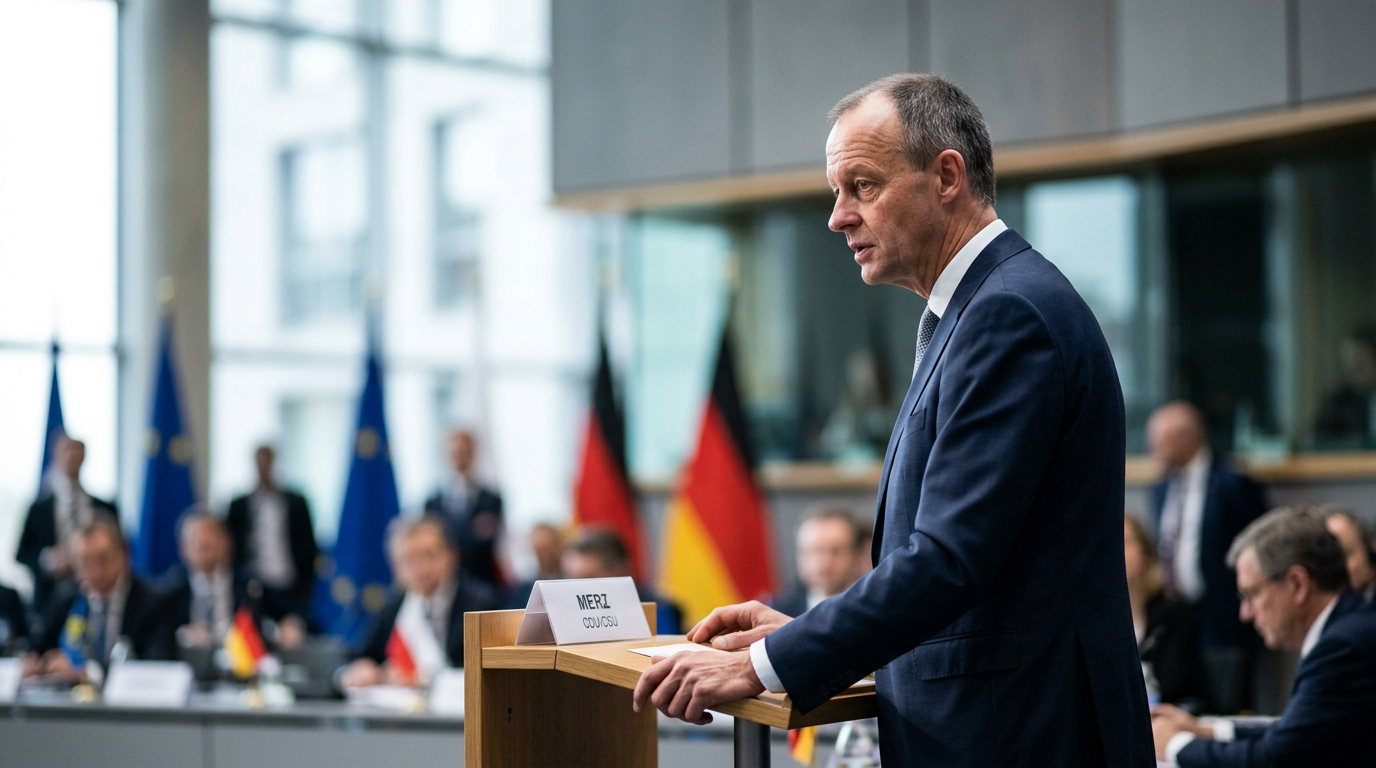
Thousands Protest Across Italy Against Meloni Government's 2026 Budget
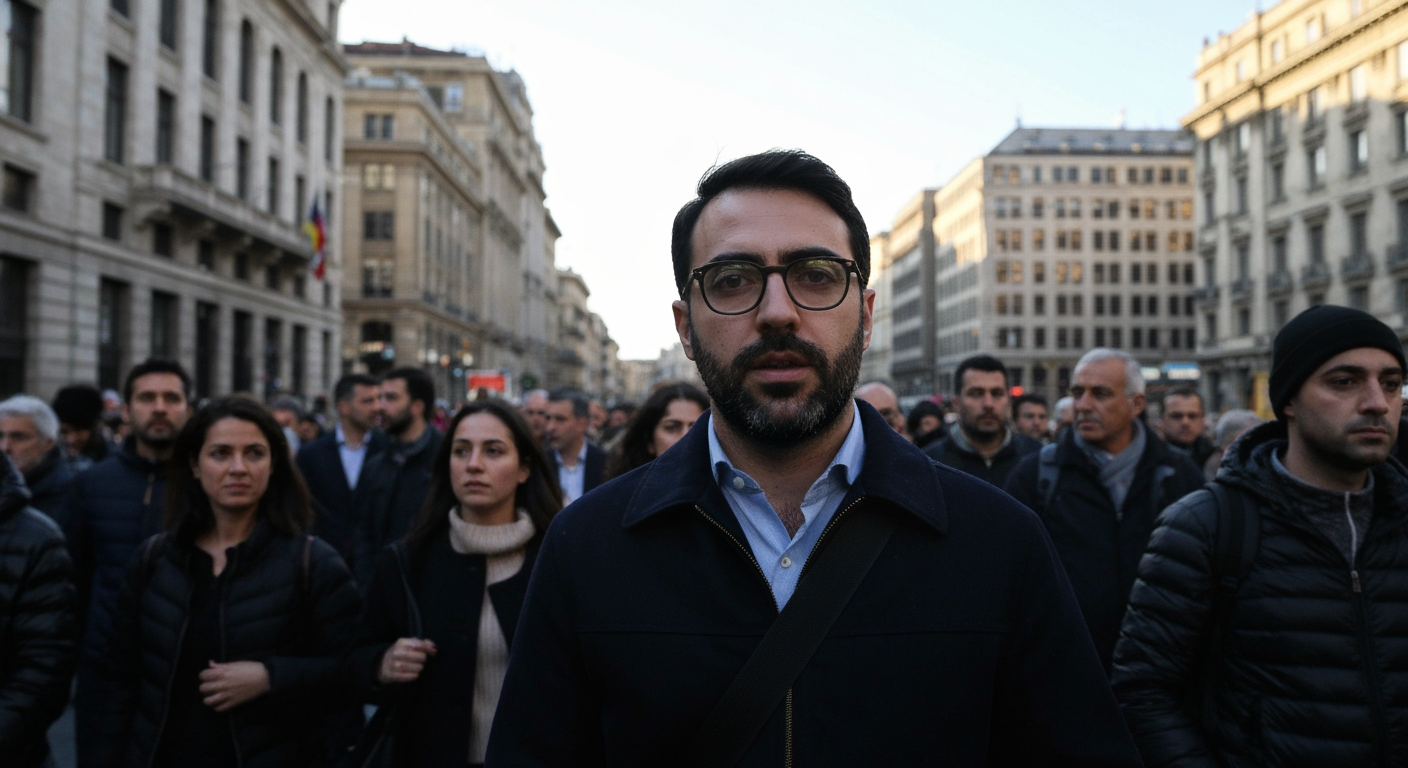
ROME – Tens of thousands of workers and citizens took to the streets across Italy on Friday, December 12, staging a nationwide general strike to vehemently protest Prime Minister Giorgia Meloni's proposed 2026 budget. The widespread demonstrations, organized primarily by the nation's largest trade union, CGIL, severely disrupted public services, including transportation and education, underscoring deep societal divisions over the government's economic policies. The day of action represented a significant challenge to the conservative administration, with unions decrying the budget as "unfair, wrong and dangerous" and accusing it of neglecting ordinary Italians while favoring wealthier segments of society.
A Nation Interrupted: The Scale of Discontent
The national strike, which marked the second major coordinated labor action against the budget in recent weeks, brought key sectors of Italian daily life to a standstill. CGIL, the Italian General Confederation of Labour, estimated that approximately 61% of public and private sector workers participated in the strike, with over 500,000 individuals joining rallies in major cities such as Milan and Florence. Public transportation, particularly rail services, experienced extensive cancellations and delays, affecting both long-distance and regional routes. Schools nationwide canceled classes, leaving many students at home due to the lack of available public transport. Healthcare services also faced disruptions, highlighting the broad impact of the protest on essential public utilities. CGIL Secretary-General Maurizio Landini, speaking to demonstrators in Florence, asserted that "The majority of the workers who keep this country going don't agree with and don't accept this government's budget," emphasizing the demand for change.
The Budget Under Scrutiny: Points of Contention
The 2026 budget, valued at approximately €18 billion, has become a lightning rod for criticism since its introduction. Unions and opposition parties argue that the financial package prioritizes increased defense spending at the expense of crucial public services. They have called for greater investments in healthcare, education, and housing rights, along with robust measures to enhance job security and workplace safety. A core grievance centers on the government's tax relief proposals, which critics contend disproportionately benefit higher earners. While Prime Minister Meloni's administration frames these cuts as support for middle-income families, independent analyses, including one from Italy's Parliamentary Budget Office, suggest that nearly half of the tax cut's value would accrue to just 8% of taxpayers—primarily those earning between €48,000 and €200,000 annually. This disparity, coupled with a significant erosion of purchasing power due to inflation (real wages were 7.5% lower in early 2025 than in early 2021, the steepest drop among major OECD economies), has fueled public frustration.
Beyond spending allocations, other controversial elements within the budget proposals have drawn fire. A plan to potentially double the legal limit on cash payments to €10,000 has raised concerns among critics who argue it could undermine financial transparency and inadvertently encourage tax evasion, reversing years of progress in combating the underground economy. There was also a notable debate surrounding a draft budget amendment from Meloni's Brothers of Italy party that sought to declare the nation's substantial gold reserves, currently managed by the independent Bank of Italy, as belonging to the "people of Italy." This move, perceived by some as an attempt to grant the government more direct control over the gold, sparked fears of potential monetization for populist measures and prompted strong reactions regarding the independence of financial institutions.
Government's Defense and Economic Realities
Prime Minister Giorgia Meloni and her cabinet have staunchly defended the 2026 budget, asserting its "balanced and fiscally responsible" nature. The government maintains that the package includes necessary income tax cuts and critical support for families, aiming to lower taxes for middle earners and strengthen Italy's public finances. They highlight measures such as a €1,000 bonus for parents of newborns (excluding wealthier families) as part of efforts to combat Italy's declining birth rate.
A significant component of the budget involves an estimated €11 billion in charges on banks and insurance companies over two years, with €4.5 billion specifically designated from the sector for the 2026 draft budget. This controversial levy is intended to help the government achieve its goal of reducing the public deficit to below 3% of GDP by 2026, aligning Italy with European Union fiscal rules. Economy Minister Giancarlo Giorgetti described this contribution as "digestible" for the financial sector and crucial for demonstrating fiscal discipline while funding social priorities.
Meloni has also been dismissive of the union-led protests, at one point sarcastically questioning the CGIL's choice of a Friday for the strike, implying it was an excuse for a long weekend. Despite the domestic unrest, the budget has reportedly been well-received by financial markets and ratings agencies, signaling some confidence in Italy's fiscal trajectory.
Navigating a Divided Path Forward
The widespread demonstrations on December 12 underscore a deep-seated struggle over economic priorities and social equity in Italy. While Prime Minister Meloni's right-wing Brothers of Italy party continues to lead in opinion polls and her coalition maintains stability, recent surveys have indicated a modest decline in government popularity and a gradual rise in support for the center-left opposition. The government is navigating a complex landscape, balancing the demands of fiscal prudence and adherence to EU rules with the pressing social needs of a population grappling with inflation and stagnant wages.
As the 2026 budget moves through the parliamentary approval process, likely to be finalized by the end of December, the ongoing public discontent highlights the challenges facing Meloni's administration. The protests serve as a powerful reminder of the significant human element behind budgetary decisions, with calls for greater investment in public welfare echoing across the nation. The outcome of this legislative battle, and the government's response to the sustained pressure from labor unions and civil society, will significantly shape Italy's economic and social landscape in the coming years.
Related Articles

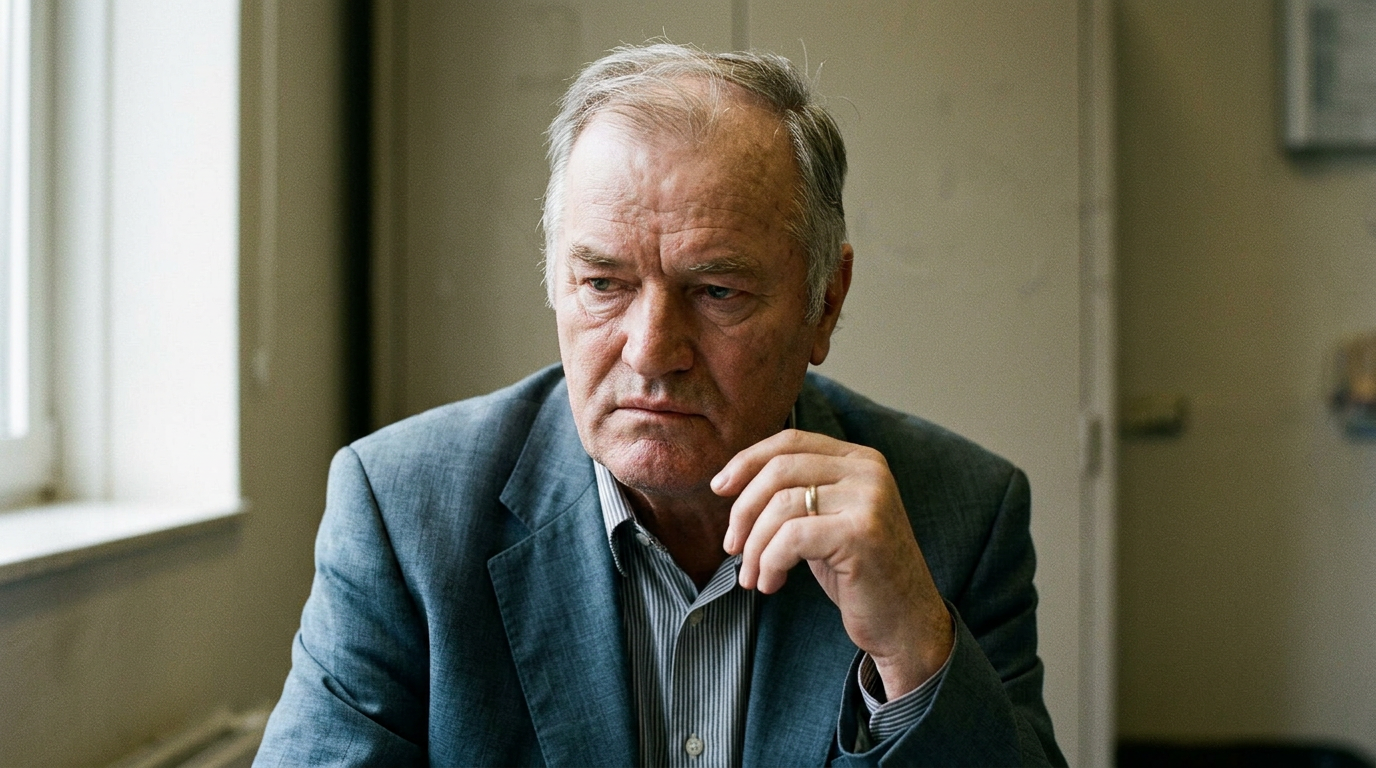
Ratko Mladić, "Butcher of Bosnia" and Convicted War Criminal, Dies at 84
THE HAGUE, Netherlands – Ratko Mladić, the former Bosnian Serb military commander known as the "Butcher of Bosnia" and convicted of genocide, war crimes, and crimes against humanity, has died at the age of 84. Serbian...

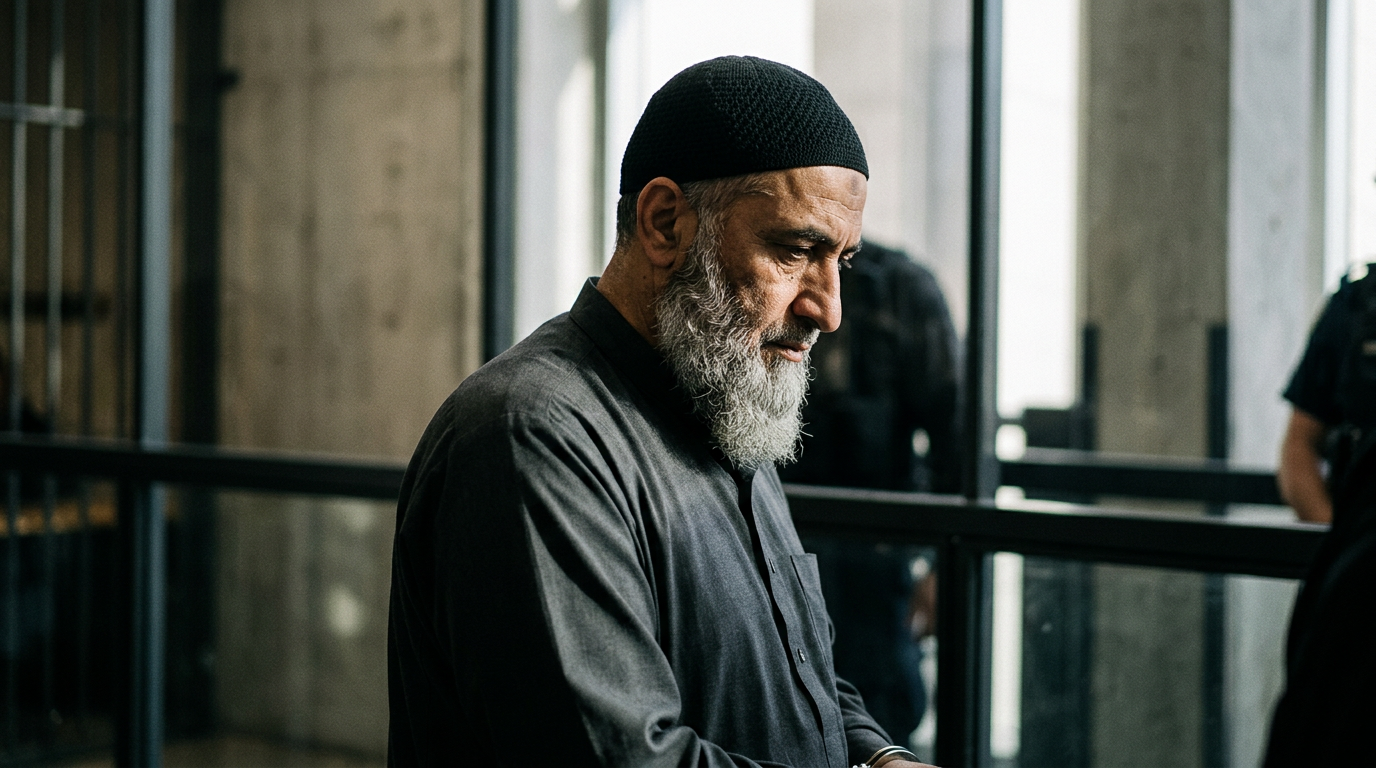
Long-Awaited 9/11 Mastermind Trial Set for 2028, Decades After Attacks
GUANTANAMO BAY, Cuba – Nearly a quarter-century after the devastating terror attacks of September 11, 2001, a military judge has finally set a trial date for Khalid Sheikh Mohammed, the alleged mastermind behind the...