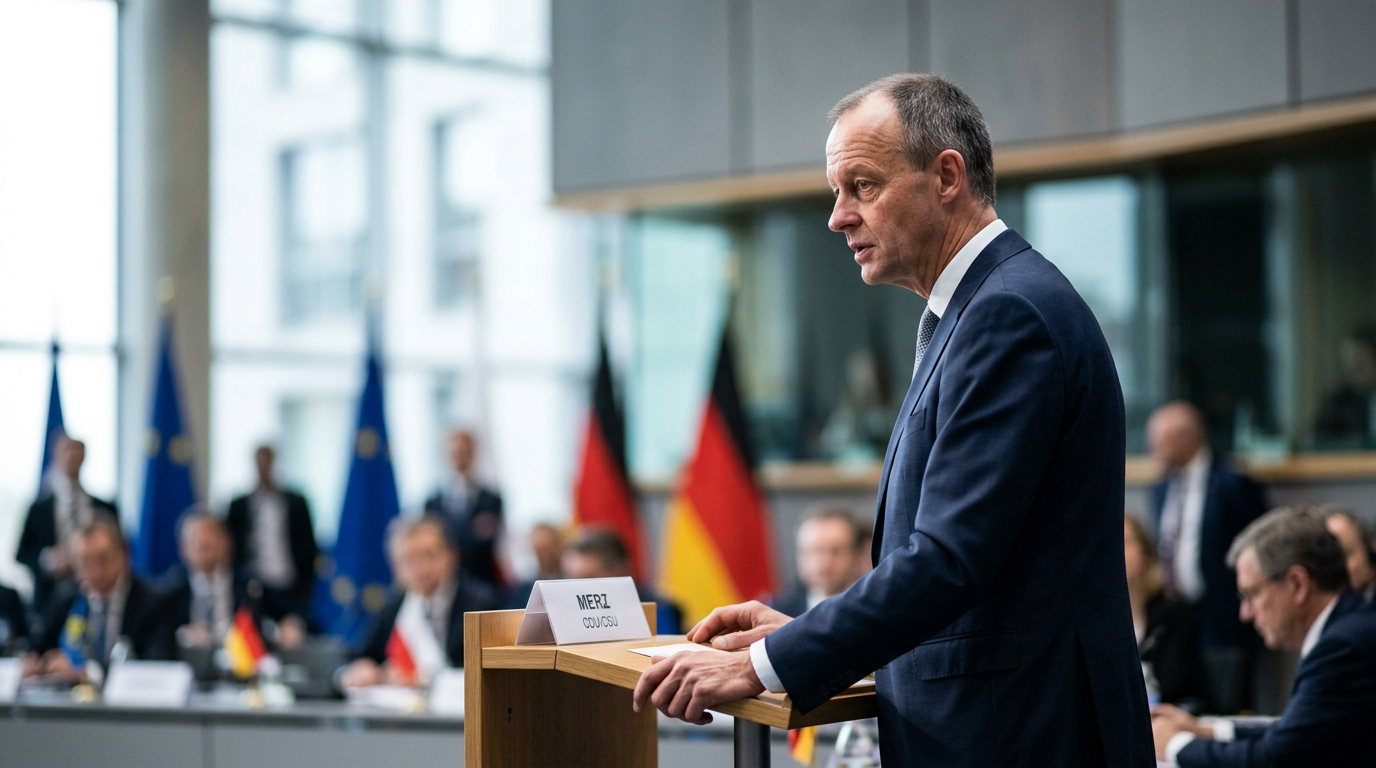
Thousands Protest Across Spain, Demanding Sánchez's Resignation Amidst Corruption Allegations
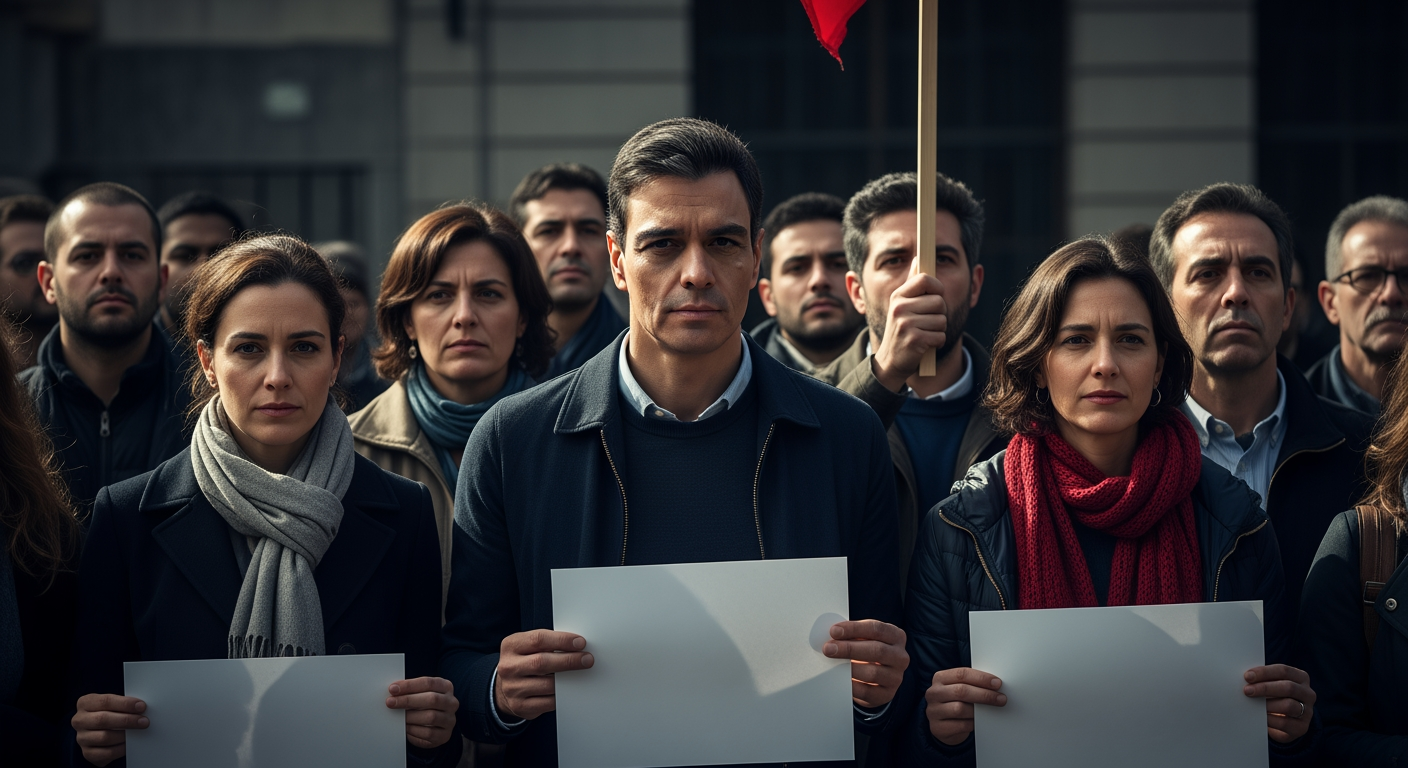
MADRID – Tens of thousands of Spaniards have once again taken to the streets of Madrid, demanding the resignation of Prime Minister Pedro Sánchez and calling for snap general elections. The latest mass demonstration, held on Sunday, November 30, 2025, underscored deepening public dissatisfaction with Sánchez's socialist government, which is grappling with a series of high-profile corruption scandals affecting close associates and family members. Organized by the conservative People's Party (PP) under the leadership of Alberto Núñez Feijóo, the rally unfolded under the slogan "Mafia or Democracy?"
The Immediate Spark: A Cascade of Corruption Probes
The immediate catalyst for Sunday's protest was the pre-trial detention of José Luis Ábalos, Sánchez's former transport minister, and his adviser, Koldo García. Both men are implicated in the "Koldo Case," a sprawling corruption investigation concerning alleged irregular contracts for protective masks during the COVID-19 pandemic. Investigations suggest a network involved in overpriced deals and kickbacks, with potential damages running into millions of euros and extending across several regional administrations. This case represents the latest in a series of legal challenges that have intensified pressure on Sánchez's minority government.
The demonstration in central Madrid, primarily around the Temple of Debod and Plaza de España, saw protesters waving Spanish flags and carrying placards with messages such as "Resign now!" and "Sánchez, go away!" While organizers, including the PP, claimed attendance figures of between 80,000 and 100,000, the Interior Ministry and government sources estimated the crowd at approximately 40,000 to 50,000 people. This followed a similar large-scale protest in June 2025, also organized by the PP, indicating sustained public mobilization against the current administration.
A Wider Web of Allegations
The "Koldo Case" is not an isolated incident but rather the most recent development in a series of corruption allegations casting a shadow over the Prime Minister's inner circle. Sánchez's wife, Begoña Gómez, is currently under investigation for alleged influence peddling and business corruption, following a complaint filed by the right-wing pressure group Manos Limpias (Clean Hands). Similarly, his brother, David Sánchez, faces legal proceedings for alleged administrative malfeasance and influence peddling related to his contracting at the Badajoz Provincial Council.
The opposition, led by Alberto Núñez Feijóo, has leveraged these accusations to argue that the Sánchez government has lost its legitimacy. Feijóo has publicly stated that "Sanchismo is political, economic, institutional, social and moral corruption," asserting that the government "has stained everything – politics, state institutions, the separation of powers." Protesters echoed these sentiments, with many advocating for a "revolution of decency and freedom" from both the streets and the ballot box.
In response to the mounting pressure, Prime Minister Sánchez has consistently dismissed the probes against his family and associates as part of a "smear campaign" orchestrated by the right wing to destabilize his government. Despite considering resignation in April 2024, he ultimately vowed to remain in office until the scheduled end of the parliamentary term in 2027. Sánchez has publicly apologized for the legal issues surrounding his administration and has announced new measures to combat corruption, though these have yet to quell the public outcry.
Beyond Corruption: Economic Hardship and Political Discontent
While corruption allegations form the core of the recent protests, broader grievances contribute to the public's discontent. Many Spaniards are struggling with significant economic challenges, including high inflation, soaring rents, and escalating energy costs. These economic pressures have been exacerbated by other factors, such as the impact of mass tourism in popular destinations, which has led to increased housing costs and a reduced quality of life for local residents. Anti-tourism protests, which began in April 2024 and are expected to continue through 2025, highlight calls for government regulation of the tourism sector to address these issues.
Critics also point to Sánchez's political maneuvering, specifically his alliances with separatist parties and controversial legislative initiatives like the amnesty law for Catalan officials involved in the 2017 independence referendum. Opponents argue that these strategic decisions, aimed at preserving power in a fragmented parliament, undermine national unity and democratic integrity. Concerns have also been raised regarding the "Gag Law" (Citizen Security Law), which critics argue has been used to repress civil movements, despite government efforts to reform certain aspects.
The Enduring Political Stalemate
The current political climate in Spain is marked by an increasingly tense standoff between the government and a determined opposition. The opposition's central demand remains a snap general election, arguing that Sánchez's government has lost the moral authority to govern effectively. They contend that only a new electoral mandate can restore public confidence in democratic institutions.
Despite waning support from some coalition partners and growing public discontent, Prime Minister Sánchez has demonstrated remarkable resilience, having successfully navigated numerous political crises throughout his tenure. His government has attempted to downplay the significance of the protests, dismissing them as politically motivated attempts by the PP to distract from its own issues and leadership challenges. However, with the next parliamentary elections not formally scheduled until late 2027, the ongoing wave of protests and corruption investigations signal a prolonged period of political instability and public scrutiny for Spain's government. The converging issues of alleged corruption, economic hardship, and contentious political alliances continue to fuel a deeply polarized political landscape, leaving the nation navigating a complex path forward.
Related Articles

Ratko Mladić, "Butcher of Bosnia" and Convicted War Criminal, Dies at 84
THE HAGUE, Netherlands – Ratko Mladić, the former Bosnian Serb military commander known as the "Butcher of Bosnia" and convicted of genocide, war crimes, and crimes against humanity, has died at the age of 84. Serbian...

Long-Awaited 9/11 Mastermind Trial Set for 2028, Decades After Attacks
GUANTANAMO BAY, Cuba – Nearly a quarter-century after the devastating terror attacks of September 11, 2001, a military judge has finally set a trial date for Khalid Sheikh Mohammed, the alleged mastermind behind the...