U.S. Expands Visa Bond Program, Demanding Up to $15,000 from Travelers in 12 More Countries
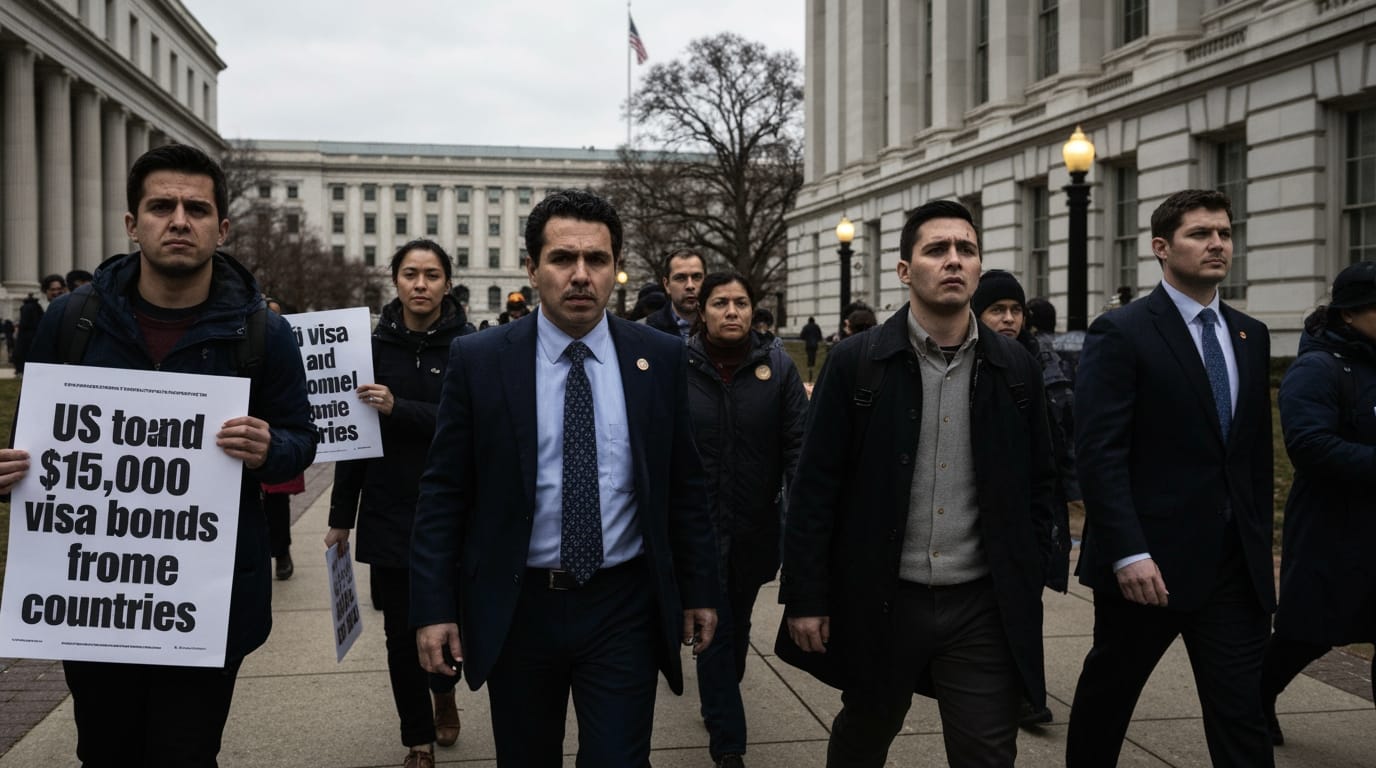
Washington D.C. — The United States Department of State announced today a significant expansion of its controversial visa bond pilot program, adding 12 more countries to a list whose citizens will be required to post bonds of up to $15,000 when applying for U.S. visitor visas. Effective April 2, the measure brings the total number of affected nations to 50, a move officials assert is crucial for curbing visa overstays but one that critics warn could severely impact international tourism and foster an image of inhospitality.
The program, which targets B-1 and B-2 nonimmigrant visas for temporary business and pleasure, mandates that applicants from designated countries provide a financial guarantee of $5,000, $10,000, or $15,000. Consular officers retain the discretion to determine the precise bond amount based on individual circumstances. This financial prerequisite serves as an assurance that visitors will depart the U.S. within their authorized period of stay, with the bond being fully refunded upon timely compliance.
Expanded Reach of the Visa Bond Program
The newly added countries to the expanding list are Cambodia, Ethiopia, Georgia, Grenada, Lesotho, Mauritius, Mongolia, Mozambique, Nicaragua, Papua New Guinea, Seychelles, and Tunisia. These nations join 38 others already subject to the bond requirement, many of which are located in Africa. The pilot program, initially launched in August 2025, is designed to run for 12 months, allowing the State Department to assess the operational feasibility and effectiveness of using visa bonds to enforce departure compliance.
Under the program's strictures, visas issued to bonded travelers are limited to a single entry within three months of issuance, and U.S. Customs and Border Protection officers will typically admit these visa holders for a maximum stay of 30 days. Furthermore, entry for these individuals may be restricted to pre-selected ports, a measure intended to support precise exit tracking. Should a visa application be denied, the bond is refunded. However, failure to comply with the visa terms, such as overstaying, will result in the forfeiture of the bond. For families traveling together, the financial imposition can be substantial, with a family of five potentially required to post a bond of $75,000 at the highest tier.
Rationale and Administrative Intent
The State Department's primary justification for the visa bond program is to reduce overstay rates among B-1/B-2 nonimmigrant visa holders from countries identified as having historically high rates of non-departure. Officials frame the policy as a diplomatic tool, aiming to encourage foreign governments to take proactive steps to ensure their citizens adhere to U.S. immigration laws.
The program's roots trace back to the Trump administration, which initiated a similar pilot program in November 2020. However, that earlier iteration was not fully implemented due to the significant decline in global travel spurred by the COVID-19 pandemic. The current administration reactivated and expanded the initiative, maintaining that it has proven effective. The State Department claims that almost 97% of the nearly 1,000 individuals who have posted a bond under the program have returned home on time. Beyond compliance, the department also highlights potential financial benefits, asserting that the expanded visa bond program saves American taxpayers hundreds of millions of dollars annually that would otherwise be spent on removing individuals who overstay their visas. Overstay rates are determined based on Department of Homeland Security (DHS) reports, excluding data from Canada, Mexico, and countries participating in the Visa Waiver Program (ESTA).
Concerns and Potential Economic Impact
Despite the stated objectives, the visa bond program has drawn considerable criticism from various sectors, particularly within the tourism industry and among international travel advocates. Concerns revolve around the policy's potential to cast the United States as an unwelcoming destination, deterring legitimate travelers and causing a financial strain on individuals and families. Critics label the measure as "harmful" and "discriminatory," predicting a negative impact on tourism revenues and the broader U.S. economy.
The requirement for a substantial financial bond could price out many potential visitors, especially from lower-income countries, thereby reducing their contribution to local economies heavily reliant on international tourism. While the number of travelers directly affected by the bond requirement represents a small fraction of overall international arrivals, the symbolic message conveyed by such policies is considered significant. Headlines about "tourist visa bonds" can create a perception of complexity, expense, or unpredictability, influencing travel decisions and potentially diverting tourists to other countries. This comes at a time when the U.S. tourism recovery is already facing challenges, with inbound international visits projected to lag behind global trends.
Looking Ahead
The expansion of the visa bond program represents a deepening commitment by the U.S. government to address visa overstays through financial guarantees. While officials underscore the program's effectiveness in promoting compliance and safeguarding taxpayer resources, the policy continues to navigate a complex landscape of immigration enforcement, international relations, and economic considerations.
As the 12-month pilot program continues, its long-term implications for U.S. foreign policy and the global perception of American accessibility will be closely watched. The balance between national security and the desire to welcome international visitors remains a central challenge, with policies like the visa bond program illustrating the ongoing tension between these priorities.


