Three Women Stabbed in Paris Metro Spree; Suspect Swiftly Apprehended
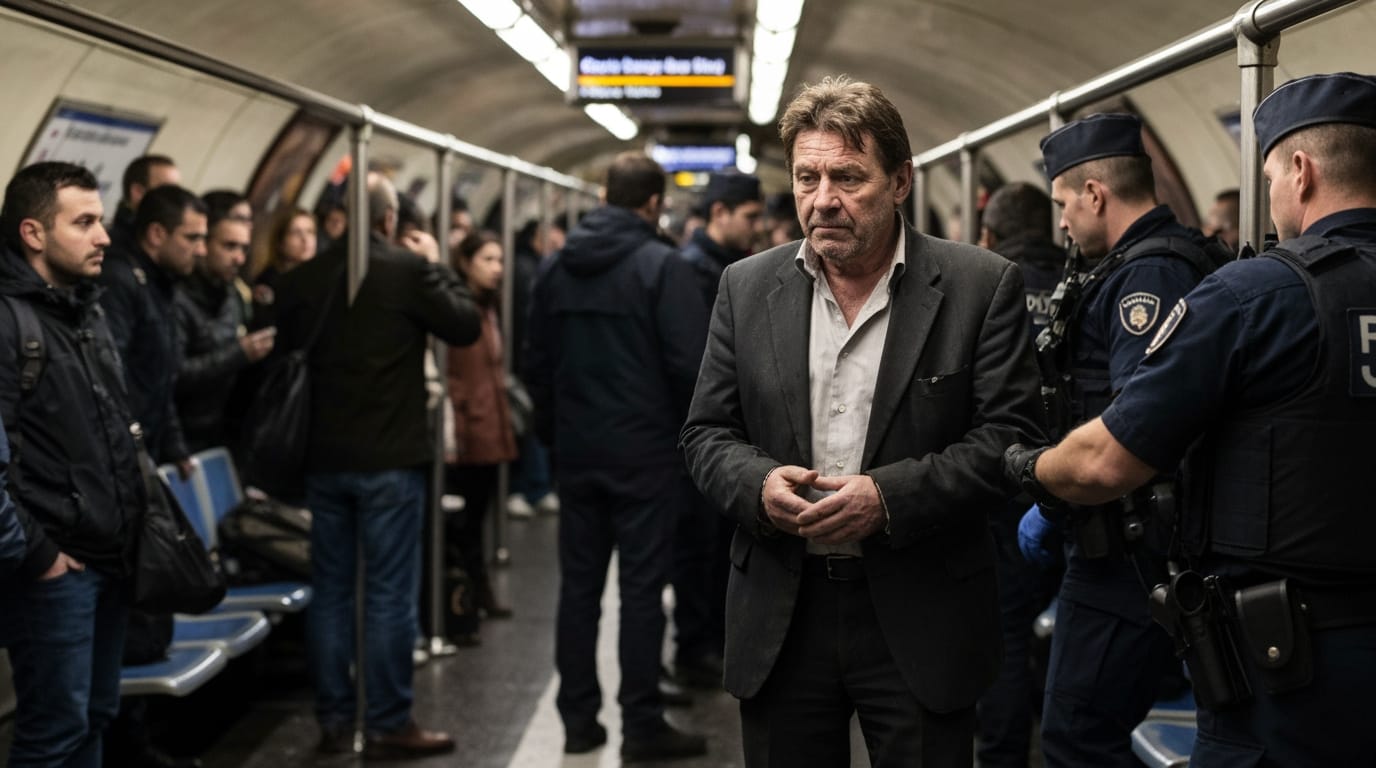
Paris, France – A series of knife attacks on Friday afternoon left three women injured across multiple busy stations of the Paris Metro, prompting a swift police response that led to the arrest of a suspect within hours. The incidents, which occurred on Line 3 during the bustling end-of-year period, caused alarm among commuters but resulted in non-life-threatening injuries for the victims. Authorities have since ruled out terrorism as a motive, pointing instead to a potentially mentally unstable individual.
The unsettling events unfolded between 4:15 PM and 4:45 PM local time on Friday, December 26, impacting three central Metro stations: Arts-et-Métiers, République, and Opéra. According to reports from the Regie Autonome des Transports Parisiens (RATP) and police sources, a male assailant armed with a knife targeted and stabbed three women at these distinct locations along Metro Line 3. Emergency services, including Paris firefighters, were quickly dispatched to each station, providing immediate care to the victims.
The Attacks and Victim Response
The attacks began at Arts-et-Métiers, followed by République, and then Opéra, all within a span of approximately 30 minutes. The assailant reportedly pulled out a knife and attacked the women, causing minor injuries to their backs and thighs. While none of the injuries were deemed life-threatening, one of the victims was confirmed to be pregnant. Two of the injured women were treated at the scene before being transported to a hospital, while a third woman later sought treatment independently. One witness at République station described a "pretty deep cut" with "quite a lot of blood." Despite the shocking nature of the attacks, services on Line 3 resumed normal operations approximately two hours later, and emergency security teams were deployed to reinforce passenger safety.
Rapid Identification and Arrest
The apprehension of the suspect was notably swift, largely attributed to the effective deployment of surveillance technology and coordinated police efforts. Following the incidents, investigators utilized extensive surveillance camera footage from the Metro stations to identify the assailant. Further aiding the manhunt, authorities activated the geolocation of the suspect's mobile phone, allowing them to track his movements after he fled the scene.
Less than three hours after the initial attack, police successfully located and arrested the individual at his home in Sarcelles, a town situated in the Val-d'Oise region north of Paris. Paris police chief Patrice Faure lauded the "reactivity and the mobilisation" of the investigators, highlighting their rapid work that led to the arrest at 6:55 PM. Interior Minister Laurent Nunez also commended the various police units involved in tracking down the suspect, emphasizing the efficiency of the response.
Suspect Profile and Ruled-Out Motive
The arrested individual has been identified as a 25-year-old man, reportedly of Malian origin, born in 2000. Initial police investigations have focused on understanding the motive behind the attacks. Crucially, law enforcement officials have definitively ruled out terrorism as a factor. Instead, police sources indicated that the attack appears to be the work of a mentally unstable individual or someone with a fragile mental state.
Further background checks revealed that the suspect was known to police for previous property offenses. More significantly, reports indicate he had prior convictions for aggravated theft and sexual assault in January 2024. After his release in July 2024, he was reportedly issued an order to leave France, but his deportation was not carried out. This revelation has added a layer of complexity to the incident, prompting the Interior Minister to express regret that the deportation could not be executed and affirming ongoing efforts to prioritize the expulsion of undocumented foreigners who have committed public order offenses. Transport police have launched an investigation into attempted homicide and assault with a weapon.
Heightened Security Concerns Amid Festive Season
The stabbing spree occurred at a time when European capitals, including Paris, are maintaining a heightened state of vigilance, particularly during the busy end-of-year holiday period. Authorities across the continent are alert to the risk of violent incidents, given recent attacks and plots targeting festive gatherings. Just a week prior to this incident, French Interior Minister Laurent Nunez had called for "maximum vigilance" in a message to senior officials nationwide. He cited a "very high level of the terrorist threat" and the "risk of public disorder," urging strengthened security measures and a visible police presence, with particular emphasis on public transport. This incident underscores the ongoing challenges faced by authorities in ensuring public safety in crowded urban environments.
In the aftermath of the attacks, additional security teams have been deployed to bolster passenger confidence and safety on the Metro lines. While the immediate threat was neutralized with the suspect's arrest, the incident serves as a stark reminder of the unpredictable nature of public safety challenges. The investigation into the exact circumstances and the full motivations of the attacker remains ongoing, with authorities working to piece together the events that led to the distressing afternoon in the Parisian underground. The focus is now on understanding the individual's mental state and previous legal history to prevent similar occurrences.