Tragedy Strikes Karachi: Gul Plaza Inferno Claims 14 Lives, Dozens Missing
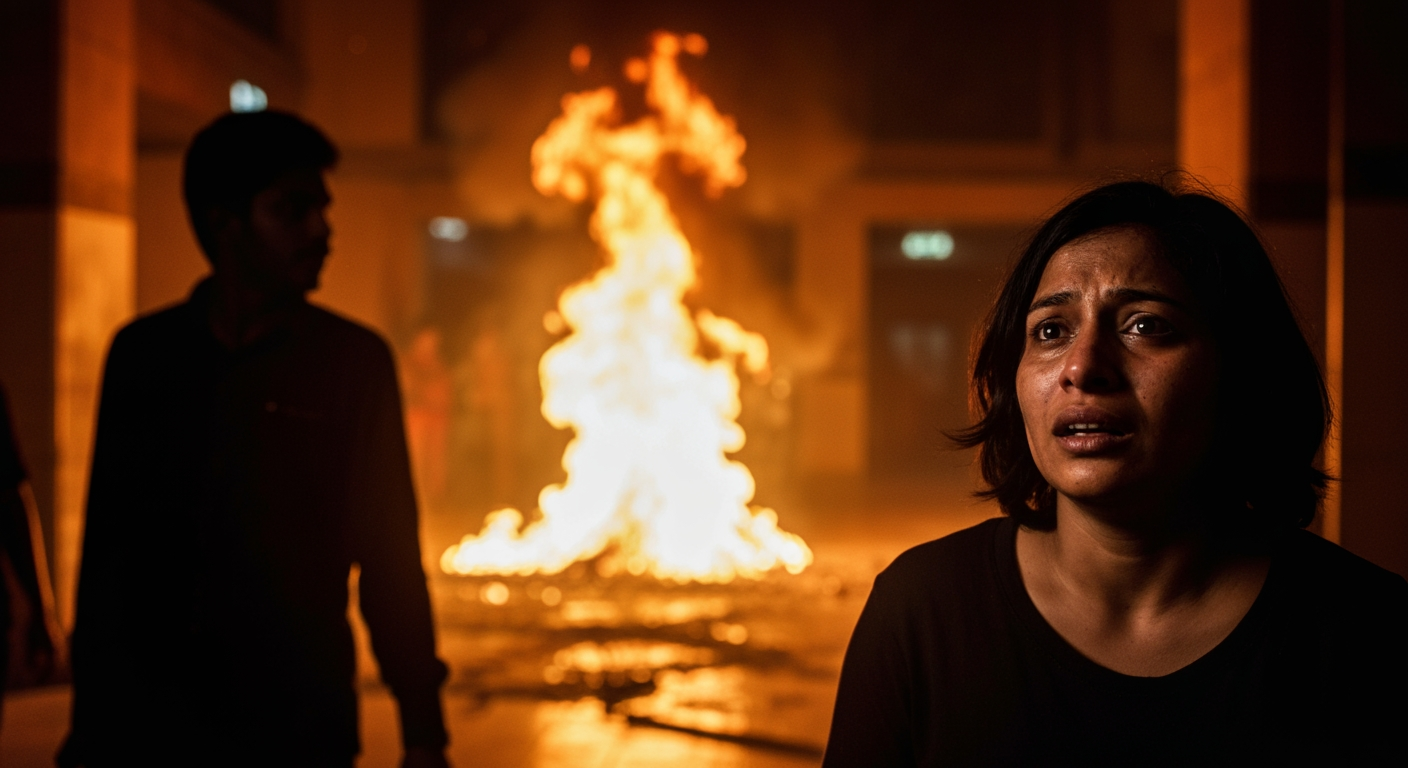
Karachi, Pakistan – A devastating fire ripped through Gul Plaza, a prominent multi-story shopping center in Karachi's bustling downtown, leaving at least 14 people dead, over 20 injured, and more than 60 individuals unaccounted for as rescue efforts continue. The massive blaze, which ignited late Saturday night, January 17, 2026, around 10:15 PM local time, consumed the sprawling commercial complex, exposing critical deficiencies in urban fire safety regulations within Pakistan's largest city.
The Inferno and Initial Battle
The catastrophic fire reportedly originated on the ground floor of Gul Plaza, a hub housing approximately 1,200 shops filled with a wide array of goods including garments, electronics, cosmetics, and plastic household items. These highly flammable materials, coupled with what officials described as limited ventilation within the old building, fueled the flames, allowing the fire to spread with alarming speed throughout the upper levels of the complex. Thick black smoke billowed into the night sky, visible from blocks away, as firefighters from the Karachi Metropolitan Corporation and Rescue 1122 raced to the scene. Despite their rapid deployment, the intensity of the blaze and the complex layout of the mall severely hampered initial efforts to control the inferno. By Sunday morning, parts of the building had already begun to collapse, presenting significant structural risks to rescue teams and complicating their access to trapped individuals. After nearly 36 hours of continuous struggle, firefighters managed to bring the fire under control by January 19, shifting focus to cooling operations and the arduous task of debris removal.
A Mounting Human Toll and Arduous Search
The immediate aftermath of the fire revealed a grim picture. Early reports indicated six fatalities, including a firefighter who valiantly battled the raging inferno. However, as rescue teams penetrated deeper into the charred remains of the plaza, the death toll steadily climbed. Officials on Monday confirmed that 14 lives had been lost, with bodies recovered during an overnight search operation. Beyond the confirmed casualties, over 20 people sustained injuries, many due to smoke inhalation, and were rushed to Civil Hospital Karachi. A deeply concerning aspect of the tragedy is the substantial number of missing persons, with families reporting between 58 and 70 individuals unaccounted for. The Sindh government swiftly established helplines for families of the missing, and hospitals across the city were placed on emergency alert to manage the influx of injured and to assist in identifying victims. The lack of proper ventilation and sealed windows contributed to thick smoke filling the mall, severely hindering rescue efforts and increasing the risk of suffocation for those trapped inside. Rescue officials continue to navigate the precarious structure, using thermal cameras and heavy machinery, but have only been able to access a fraction of the building due to its compromised state.
Investigation Uncovers Systemic Safety Failures
While the exact cause of the Gul Plaza fire remains under official investigation, preliminary assessments suggest an electrical short circuit may have ignited the blaze. This suspected cause echoes findings from previous fire incidents in Karachi, highlighting a recurring pattern of safety breaches. The tragedy at Gul Plaza is not an isolated event in a city plagued by poor safety standards and, at times, illegal construction practices. Just in November 2023, an electrical fire at the RJ Shopping Mall in Karachi resulted in 11 deaths and 35 injuries. Prior to that, a devastating factory fire in 2012 claimed 260 lives.
A fire safety audit conducted in January 2024 across Karachi's commercial buildings, following the RJ Shopping Mall fire, revealed widespread and alarming violations. The audit found that a staggering 260 out of 266 inspected buildings lacked fire extinguishers, while 62% had no emergency exits. Furthermore, 70% were found to have substandard electrical wiring, and 90% were devoid of functional fire alarms and smoke detectors. This audit report painted a grim picture of systemic negligence, with Karachi Fire Corporation acknowledging that compliance with safety regulations is not merely a legal obligation but an ethical one. The old infrastructure of Gul Plaza, built in the 1980s, combined with a potential failure to upgrade to modern safety standards, likely contributed to the rapid escalation and severe consequences of the recent fire.
Calls for Accountability and Urgent Reforms
In the wake of the Gul Plaza disaster, there is a renewed and urgent demand for accountability and robust fire safety reforms. Sindh Chief Minister Murad Ali Shah has ordered an immediate inquiry into the incident and mandated a comprehensive fire safety audit for all commercial buildings across Karachi. Officials emphasize the critical need for strict implementation of fire safety rules and punitive action against those found negligent. The ongoing investigation aims to thoroughly examine the potential for a short circuit and other contributing factors, with police and municipal authorities working to secure the site and determine the full extent of the damage.
The recurring nature of such tragedies underscores a broader challenge in Karachi concerning urban planning, building codes, and enforcement mechanisms. Experts and officials have previously raised concerns about the deteriorating state of fire preparedness in the metropolis. The call for properly marked fire exits, adequate firefighting equipment within buildings, and robust fire prevention systems is growing louder, reflecting a collective realization that without systemic change, such devastating incidents will continue to claim lives and livelihoods.
A Community in Mourning and the Path Forward
The Gul Plaza fire has plunged Karachi into mourning, leaving a community grappling with profound loss and the uncertainty surrounding dozens of missing individuals. The human stories behind the statistics—distraught shop owners witnessing their livelihoods turn to ash, families anxiously awaiting news of loved ones—underscore the deep impact of this tragedy. As search and recovery operations continue, the focus shifts to providing support for the affected and, crucially, to implementing meaningful changes that prevent future catastrophes. The incident serves as a stark reminder of the urgent need for stringent adherence to safety regulations, modern infrastructure, and vigilant oversight to protect citizens and their properties in a rapidly expanding urban landscape. Only through concerted efforts can Karachi hope to break the cycle of preventable fire tragedies and ensure the safety of its inhabitants.
Related Articles


Ratko Mladić, "Butcher of Bosnia" and Convicted War Criminal, Dies at 84
THE HAGUE, Netherlands – Ratko Mladić, the former Bosnian Serb military commander known as the "Butcher of Bosnia" and convicted of genocide, war crimes, and crimes against humanity, has died at the age of 84. Serbian...


Long-Awaited 9/11 Mastermind Trial Set for 2028, Decades After Attacks
GUANTANAMO BAY, Cuba – Nearly a quarter-century after the devastating terror attacks of September 11, 2001, a military judge has finally set a trial date for Khalid Sheikh Mohammed, the alleged mastermind behind the...