Tragic Derailment in Oaxaca Claims 13 Lives, Injures Dozens on Key Interoceanic Rail Line
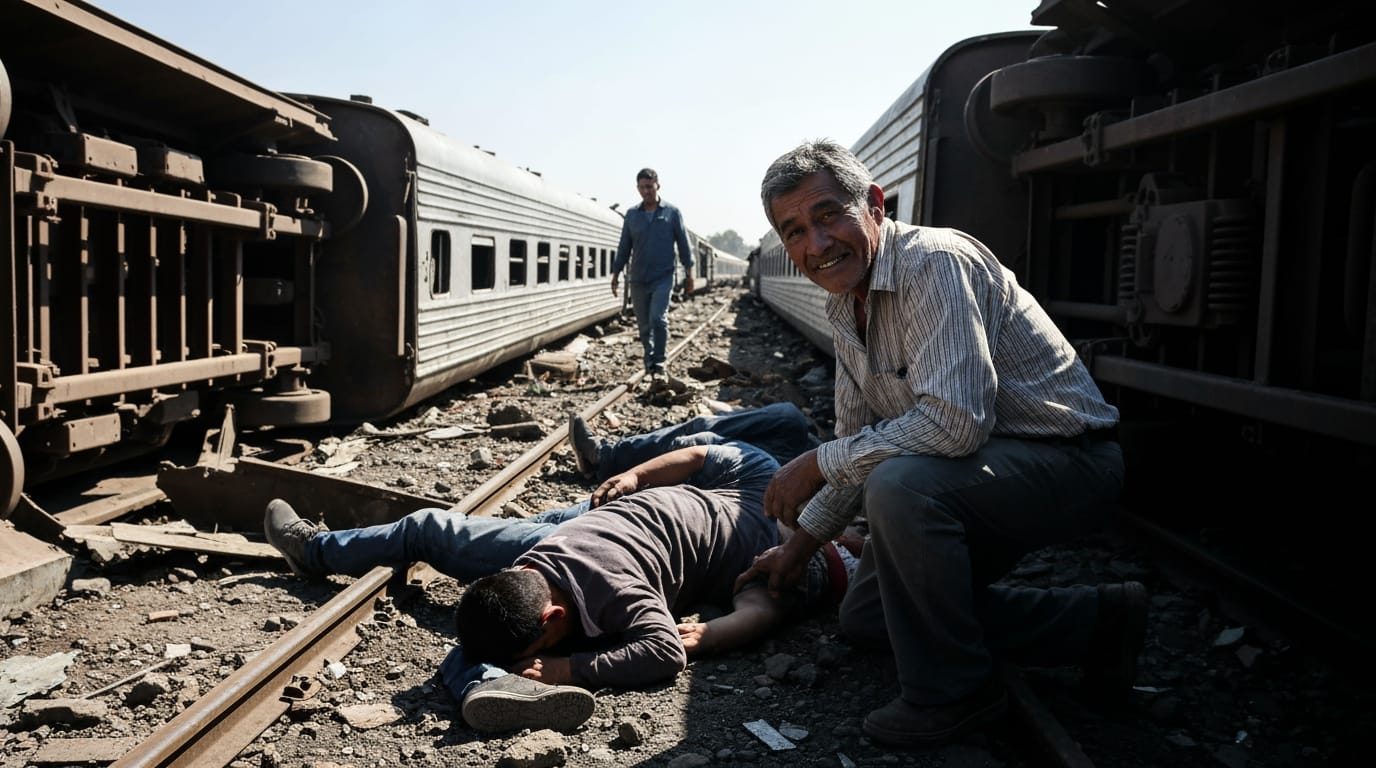
OAXACA, Mexico – A newly inaugurated Interoceanic Train suffered a catastrophic derailment in the southern state of Oaxaca on Sunday, December 28, 2025, resulting in the deaths of at least 13 people and leaving 98 injured. The accident, which saw the train’s locomotive plunge into a ravine, has sent shockwaves across Mexico, prompting a swift and extensive federal investigation into the cause of the disaster and casting a somber shadow over a flagship infrastructure project designed to revitalize regional trade.
The Catastrophic Incident Unfolds
The Interoceanic Train, carrying 241 passengers and nine crew members, was traversing a curve near the town of Nizanda, situated between Chivela and Nizanda in Oaxaca, when its locomotive suddenly left the tracks. The force of the derailment caused the lead engine to plummet approximately seven meters into a ravine, with at least one passenger car partially tilting off the embankment. Initial reports from the Mexican Navy, which operates the rail line, indicated injuries, but the grim toll quickly escalated. By Sunday evening, officials confirmed 13 fatalities and 98 injuries, with 36 individuals requiring immediate hospitalization for medical assistance. Mexican President Claudia Sheinbaum later revealed that five of the injured remained in critical condition, highlighting the severity of the trauma sustained by some passengers. The accident occurred on the Z Line of the Interoceanic Railway, a vital artery connecting the Pacific Ocean with the Gulf of Mexico.
Emergency Response and Lingering Questions
In the immediate aftermath of the derailment, a massive and complex rescue operation was launched. Emergency workers, including 360 naval personnel, swiftly deployed to the remote accident site. With challenging terrain, rescue teams utilized 20 vehicles, four ground ambulances, three air ambulances, and a tactical drone to locate and extract survivors. Footage from the scene captured the arduous efforts, showing rescuers aiding passengers from the partially derailed cars and transporting the injured on stretchers. Many passengers found themselves trapped within the damaged railcars, necessitating specialized equipment and ropes for their extrication.
President Claudia Sheinbaum, upon learning of the tragedy, immediately dispatched high-ranking federal officials, including the Secretary of the Navy and the Undersecretary of Human Rights of the Ministry of the Interior, to Oaxaca to oversee rescue efforts and provide support to the affected families. Oaxaca Governor Salomón Jara Cruz expressed profound sorrow and assured that state authorities were working in close coordination with federal agencies to manage the crisis.
The Attorney General's office has initiated a formal investigation to determine the precise cause of the derailment, examining both technical and operational factors. While officials have yet to pinpoint an official cause, the incident raises pressing questions about railway safety and maintenance along this crucial new route.
The Interoceanic Corridor: Ambition Meets Peril
The Interoceanic Train service, which commenced operations in 2023 under former President Andres Manuel Lopez Obrador, is a cornerstone of the ambitious Interoceanic Corridor project. This monumental initiative aims to modernize and expand the rail link across the Isthmus of Tehuantepec, a narrow strip of land connecting Mexico's Pacific port of Salina Cruz with Coatzacoalcos on the Gulf Coast. The project’s overarching goal is to transform the region into a vibrant economic hub and a strategic trade corridor, potentially offering competition to the Panama Canal by facilitating the swift movement of both passengers and freight between the two oceans.
However, Sunday’s tragedy marks the second significant incident on this route in a short span. Just eight days prior, on December 20, a train on the same line collided with a cargo truck attempting to cross the tracks, an accident that, fortunately, resulted in no fatalities. This prior incident, combined with the recent catastrophic derailment, underscores potential vulnerabilities and prompts scrutiny of the safety protocols and infrastructure integrity of the new rail line. Experts and the public will be keenly awaiting the findings of the ongoing investigation to understand if design flaws, maintenance issues, human error, or other factors contributed to the disaster.
Human Cost and Community Impact
Beyond the statistics of dead and injured, the derailment represents a profound human tragedy. Families across Oaxaca and beyond are grappling with immense loss and uncertainty. Of the 250 individuals aboard, 139 were reported to be out of immediate danger, but the remaining 111 experienced injury or death. The hospitals in Matias Romero and Salina Cruz, as well as IMSS-Bienestar hospitals in Juchitan and Ixtepec, are now tending to the wounded, some fighting for their lives. The personal accounts of survivors, though not yet widely detailed, will undoubtedly paint a harrowing picture of the moments when the journey turned to horror.
Local communities, many of whom rely on this burgeoning rail service for transportation and economic opportunity, are left mourning and questioning the safety of the ambitious project. The incident has not only disrupted travel and commerce but has also inflicted emotional distress upon a region hoping for revitalization. The Mexican Navy, in its official statements, conveyed its deepest condolences to the families who lost loved ones, reaffirming its commitment to collaboration with authorities to clarify the facts.
Conclusion: A Call for Enhanced Rail Safety and Accountability
The Oaxaca train derailment stands as a stark reminder of the inherent risks in large-scale infrastructure projects and the critical importance of stringent safety measures. As rescue efforts transition to recovery and investigation, the focus will undoubtedly shift towards accountability and prevention. The Interoceanic Corridor, a symbol of Mexico's developmental aspirations, must now navigate the difficult path of addressing public concern and ensuring the utmost safety for its passengers and freight.
The thoroughness of the Attorney General’s investigation into both technical and operational elements will be crucial in restoring public confidence and preventing future tragedies. The findings will likely inform future railway safety regulations and maintenance protocols not only for the Interoceanic Train but for Mexico's expanding rail network as a whole. For the victims and their families, the pursuit of answers and justice will be paramount, while the nation confronts the challenge of balancing economic progress with the paramount need for safety and human well-being.


