Tragic Helicopter Crash on Mount Kilimanjaro Claims Five Lives
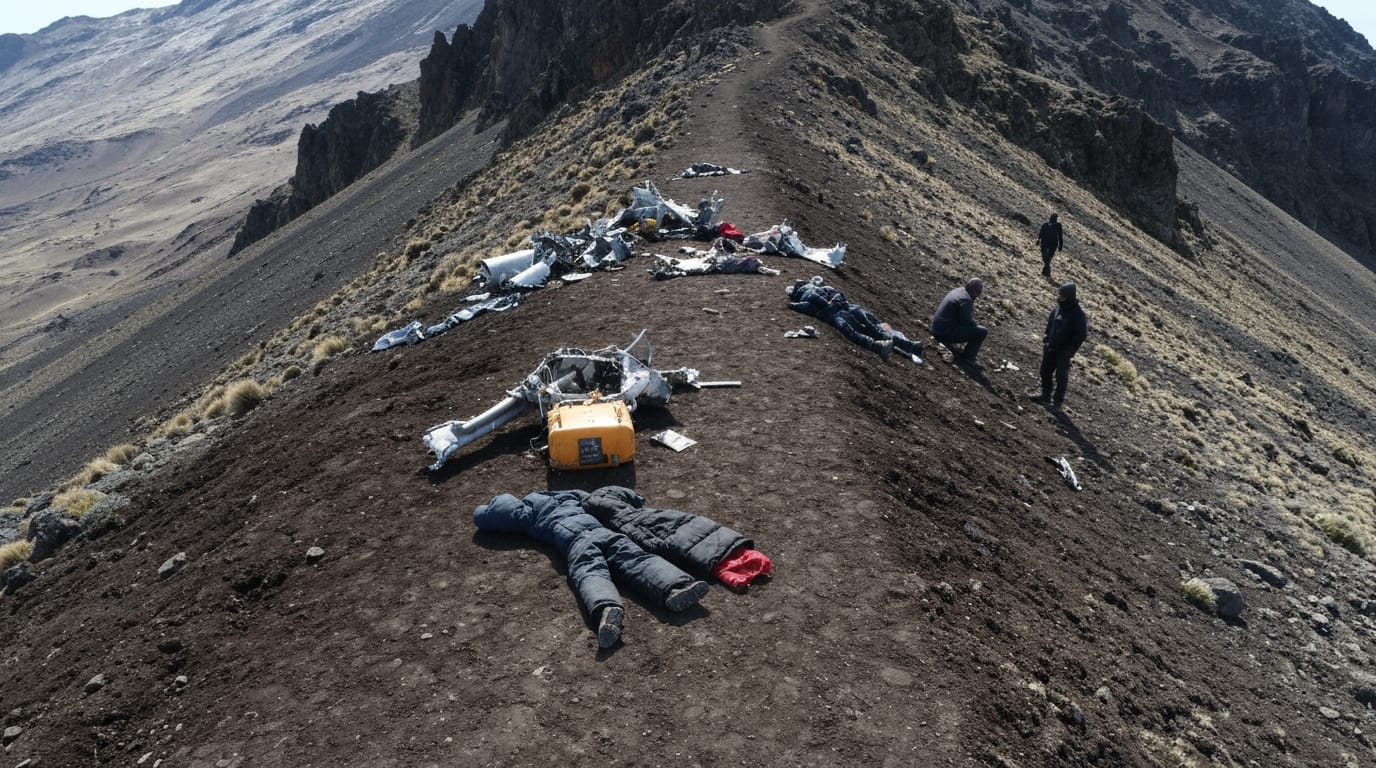
A medical rescue helicopter attempting to aid ailing climbers on Mount Kilimanjaro crashed on Christmas Eve, killing all five individuals on board. The devastating incident occurred near the mountain's Barafu Camp, a critical staging point for summit attempts, at an altitude of approximately 4,700 meters above sea level. The Tanzania Civil Aviation Authority (TCAA) has initiated a full investigation into the crash, which has sent shockwaves through the close-knit climbing and rescue community on Africa's highest peak.
The Fatal Rescue Mission
The helicopter, an Airbus Helicopters H125 registered 5H-KMA and operated by KiliMedair Aviation, went down on Wednesday, December 24, 2025, at around 5:00 PM local time. Its mission was to evacuate two foreign tourists who were reportedly in distress on the mountain. The crash site was specifically identified as being within the Barafu Valley, on the southeastern side of Kilimanjaro, between Kibo Hut and Barafu Camp.
The lives lost in the tragic accident included the pilot, identified as Ru Costantine Mazonde from Zimbabwe; a medical doctor, Dr. Jimmy Daniel; a local tour guide, Inocent Mbaga; and the two foreign tourists the helicopter was attempting to rescue, Plos David and Plosova Anna, both nationals of the Czech Republic. News of no survivors spread quickly, as mountain guides from other expeditions, including Altezza Travel, who were nearby, rushed to the remote crash site to assist, but found no one alive.
Kilimanjaro's Challenging Environment and Rescue Operations
Mount Kilimanjaro, standing nearly 6,000 meters (20,000 feet) above sea level, attracts approximately 50,000 climbers annually. While not technically demanding in terms of climbing skills, its extreme altitude presents significant physiological challenges, with altitude sickness being a common reason for medical evacuations. The mountain's rugged and high-altitude terrain makes all rescue operations inherently complex and perilous.
KiliMedair Aviation, also referred to as Kilimanjaro Aviation company, provided vital medical evacuation, tourism, and charter services on the mountain. The company was known for its crucial role in high-altitude rescues, often conducting several per day during peak climbing seasons. Helicopter evacuations are a critical component of safety protocols on Kilimanjaro, particularly for severe cases of altitude sickness or injuries where immediate descent and professional medical attention are necessary. Such services are typically available to climbers with specialized travel insurance that covers high-altitude rescue. The cost of these operations can range significantly, underscoring their critical yet often expensive nature.
Rescue efforts following the crash were made exceptionally difficult by the remote and elevated location. The incident highlights the inherent risks faced by those who undertake high-altitude rescue missions, often operating in challenging weather conditions and treacherous environments to save lives.
Investigation and Safety Implications
The Tanzania Civil Aviation Authority has officially launched an investigation to determine the exact circumstances and probable cause of the accident. Officials have stated that findings will be shared once the investigation, which adheres to both national and international aviation safety standards, is complete. Kilimanjaro Regional Police Commander Simon Maigwa confirmed the incident and the ongoing probe, indicating that more information would be released as it becomes available.
Aircraft accidents on Mount Kilimanjaro are rare occurrences. The last reported fatal incident involving an aircraft on the mountain was in November 2008, which also resulted in four fatalities. The current crash brings into focus the intense scrutiny on aviation safety protocols for high-altitude operations, particularly for rescue missions where rapid response is paramount under often adverse conditions. The incident serves as a somber reminder of the dangers associated with both climbing Africa's highest peak and the courageous efforts undertaken by rescue teams to ensure the safety of its thousands of annual visitors.
A Community in Mourning
The loss of five individuals, including those dedicated to the safety and well-being of others, has deeply impacted the Kilimanjaro community. The pilot, doctor, and guide were integral to the system that allows thousands to safely experience the iconic mountain. This tragedy underscores the human element in high-risk environments and the sacrifices made by those providing essential services. As investigations proceed, the focus remains on understanding the causes to prevent future occurrences, while the climbing and tourism industries in Tanzania mourn the lives lost in this heartbreaking incident on Christmas Eve.


