Transatlantic Drift: German Trust in the United States Reaches Historic Lows
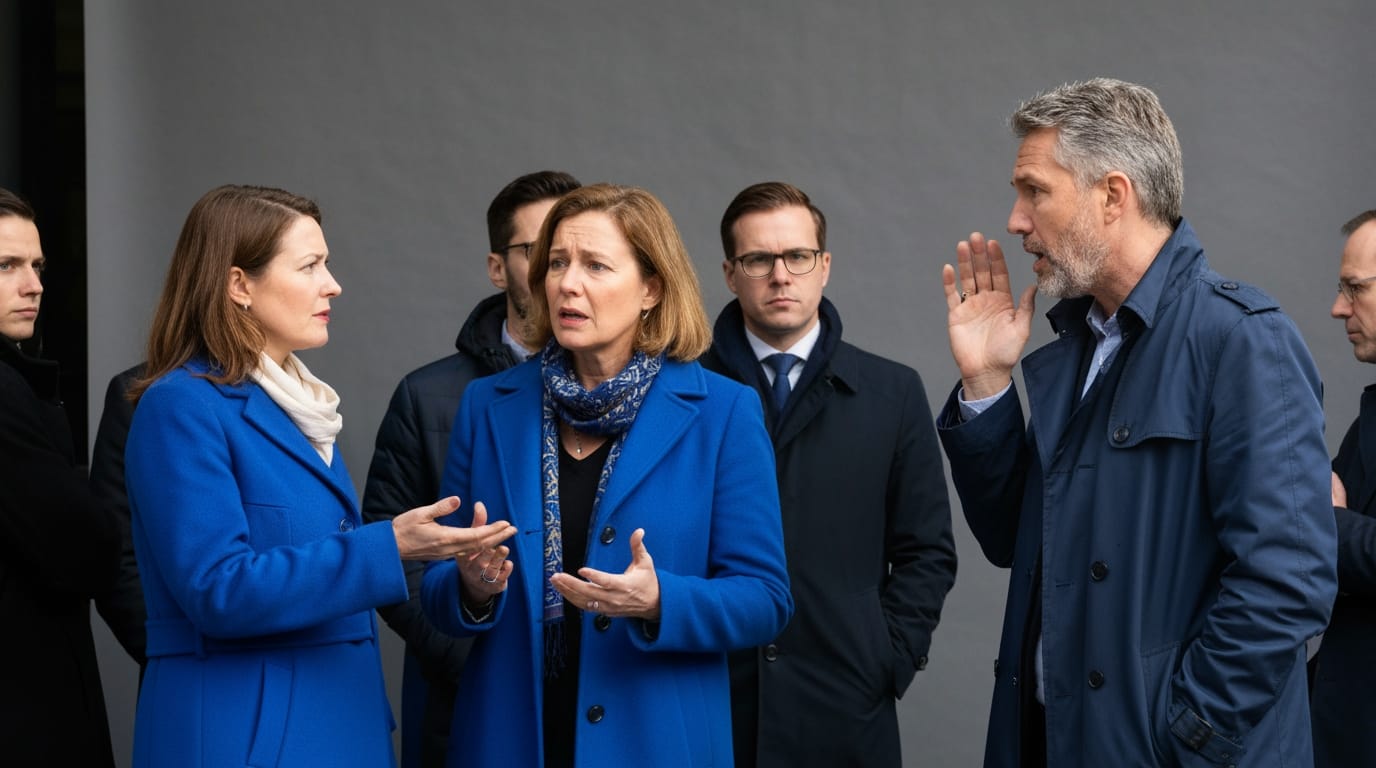
Germany, long considered one of the United States' staunchest allies, is experiencing a profound erosion of trust in its transatlantic partner, a sentiment now reaching unprecedented levels. Recent surveys reveal a dramatic shift in German public opinion, with only a fraction of the population now viewing the U.S. as a reliable ally, signaling a critical juncture for the historically robust relationship between the two nations. This growing disillusionment, fueled by a confluence of political, security, and economic factors, is prompting Germany to fundamentally re-evaluate its foreign policy and its role in a changing global order.
A Deepening Divide: Public Opinion and Policy Shifts
The decline in German confidence in the United States has been a progressive trend, but it accelerated sharply with specific geopolitical developments and shifts in American leadership. As early as 2017, following the election of Donald Trump, German public trust in the transatlantic relationship plummeted to levels comparable to their trust in Russia. A survey from that year indicated that seven out of ten respondents no longer considered the U.S. a trusted ally of Germany, marking a 37% drop compared to a survey conducted just months prior. By 2018, only 10% of Germans expressed confidence in then-President Trump, and merely 30% held a favorable view of the United States, levels last observed during the final years of the George W. Bush administration.
This downward trajectory continued, with a March 2024 survey revealing that Germans felt increasingly skeptical (31%) and worried (33%) about the partnership, a significant increase from 2022. Optimism about the future of the relationship has waned across all generations, though younger Germans and Americans retain a slightly greater hope. The most recent polls underscore the severity of this sentiment, with a March 2025 representative survey indicating that only 16% of Germans consider the U.S. a trustworthy partner. Furthermore, a January 2026 poll reported that a mere 15% of Germans trust the U.S., while 76% do not, marking the lowest trust level ever recorded in such surveys. This sentiment is so pronounced that only 27% of Germans in November 2025 viewed relations with the U.S. as good, a stark drop from 74% just a year prior. In a significant recalibration of alliances, 46% of Germans now identify France as their top foreign policy partner, while only 26% name the U.S.
The Roots of Disillusionment: Key Catalysts
Several critical events and policy decisions have served as catalysts for this erosion of trust. The 2003 Iraq War, which Germany did not support, caused significant strain and led to a collapse of German trust in the U.S. as a responsible political force in regional politics. Subsequently, the 2013 revelations of widespread NSA surveillance, including the monitoring of former Chancellor Angela Merkel's phone, were deemed a "grave breach of trust" and directly impacted German elites' confidence in the bilateral security partnership.
However, the perceived shift towards American unilateralism, particularly during the Trump administration, introduced new and enduring tensions. Policies such as trade wars, the imposition of tariffs, and persistent criticism of NATO defense spending frayed economic and security ties. The U.S. under Trump was seen as prioritizing self-interest over shared values, leading to a "breakdown of values" by Germany's most important partner, as articulated by German President Frank-Walter Steinmeier. Statements by U.S. officials indicating impatience with European defense spending and criticizing European political and economic trajectories further exacerbated concerns. A new U.S. national security strategy prioritizing the Indo-Pacific region and downplaying Russia as an "existential threat" also signaled a divergence in strategic priorities that concerned Berlin. Concerns about internal divisions and extremism within the U.S., exemplified by the January 6, 2021, Capitol attack, have also contributed to German apprehension.
Geopolitical Repercussions: Redefining Transatlantic Security and Economy
The diminishing trust in the U.S. carries significant geopolitical repercussions for both Germany and the broader transatlantic alliance. For decades, the U.S. was central to Germany's security, particularly during the Cold War. However, the current environment is forcing Germany to rethink its security architecture. A staggering 69% of Germans are concerned about security in Europe, with a similar number expressing doubts that NATO partners can rely on U.S. protection.
This has spurred Germany to consider increasing its own conventional military capabilities and look towards closer defense cooperation within Europe, potentially even an EU army, a concept favored by 71% of Germans in a March 2025 poll. Germany is reportedly exploring options like an enhanced UK and French nuclear presence to bolster European defense. There are also reports of significantly reduced communication between the German Defense Ministry and the Pentagon, with the German army chief relying on diplomats for basic information about U.S. policy.
Economically, Germany, an export-led economy, faces vulnerabilities from potential trade wars and rising energy costs, with some analyses suggesting U.S. policies have played a role in its current economic slowdown. The U.S.-China trade war, for instance, has impacted German exports to its largest trading partner, China.
Navigating an Uncertain Future: Germany's New Path
In response to these shifting dynamics, Germany is embarking on a recalibration of its foreign policy. Berlin recognizes the need to strengthen deterrence in Eastern Europe and is mulling turning its armed forces, the Bundeswehr, into the strongest conventional force in Europe by 2029. Germany is also moving to purchase advanced weapon systems from Israel, such as the Arrow 3 air defense missile system, reversing historical trends of relying on U.S. air defense.
While Germany aims to preserve the transatlantic partnership, even amidst widening differences, its leaders are preparing for a future where American strategic priorities may no longer align as closely with Europe's. This includes an emphasis on strengthening the European Union's role and avoiding bilateral approaches with the U.S. that could undermine European unity. German Chancellor Friedrich Merz has acknowledged that Berlin must prepare for shifts in Washington's strategic posture, underscoring a mix of realism and cautious optimism as Europe digests America's changing priorities.
Conclusion
The erosion of German trust in the United States marks a profound turning point in transatlantic relations. What was once a bedrock alliance, characterized by shared values and strategic alignment, is now strained by divergent interests, perceived unilateralism, and internal challenges in both nations. While a desire to maintain the partnership persists, Germany is increasingly charting a more independent course, prioritizing European cooperation and strengthening its own defense capabilities. This fundamental shift, driven by a decade of deepening disillusionment, suggests that the transatlantic relationship is entering a new, more complex era, with far-reaching implications for global stability and the future of Western alliances.


