Trilateral Diplomacy Intensifies in Abu Dhabi as Ukraine Peace Talks Enter Second Day
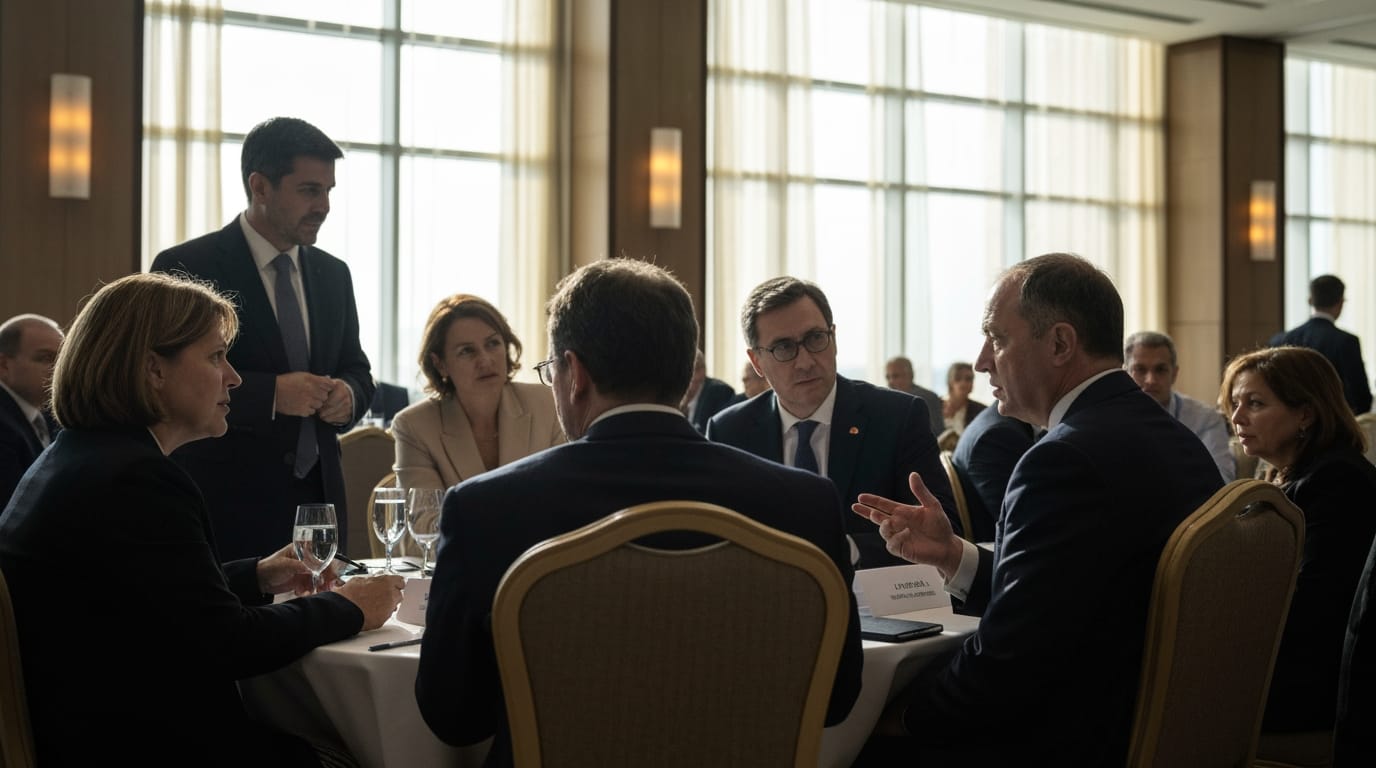
ABU DHABI, UAE – High-stakes trilateral peace talks involving top envoys from Ukraine, Russia, and the United States entered their second day in Abu Dhabi on Thursday, February 5, 2026, as diplomatic efforts seek to navigate the complex path toward a resolution in the nearly four-year-long conflict. The discussions, hosted by the United Arab Emirates, represent a renewed push for a settlement amid ongoing hostilities and a deepening humanitarian crisis in Ukraine. While initial reports indicate some progress on procedural fronts, significant hurdles, particularly regarding territorial disputes, continue to challenge a comprehensive breakthrough.
A Critical Juncture for Diplomacy
The ongoing talks in the Emirati capital mark a pivotal moment in the protracted conflict, bringing together key delegations to explore potential frameworks for ending the war. Ukraine’s delegation is led by Rustem Umerov, Secretary of the National Security and Defense Council, operating under direct directives from President Volodymyr Zelenskyy to achieve a "just and lasting peace" that includes provisions for the nation's reconstruction and economic recovery. Representing the United States are Presidential Special Envoy Steve Witkoff and Jared Kushner, son-in-law to President Donald Trump, underscoring a dedicated U.S. effort to foster peace. Russia’s interests are championed by Igor Kostyukov, head of the Main Intelligence Directorate of the country's General Staff.
These are the second such trilateral consultations held in Abu Dhabi, following an initial round on January 23-24, 2026. The first round was described by Ukrainian officials as "positive" and "constructive," even though no agreement was reached on the crucial issue of territory. The UAE government has facilitated these discussions, with a spokesperson noting the "constructive and positive atmosphere" that included direct engagement between Russian and Ukrainian representatives on a U.S.-proposed peace framework.
Deep-Seated Divisions and Strategic Objectives
The core of the diplomatic challenge lies in the starkly divergent objectives of Kyiv and Moscow. Ukraine continues to advocate for a full withdrawal of Russian troops, restoration of its internationally recognized borders, prosecution of war crimes, and robust security guarantees to prevent future aggression. Ukrainian President Zelenskyy has emphasized the importance of American monitoring and control over any peace process to ensure real security. Key issues on the agenda include the future of the partially occupied Donbas region, proposals for buffer zones, and mechanisms for oversight, along with efforts to halt attacks on Ukraine's energy infrastructure.
Conversely, Russia's demands remain firm, centering on the recognition of all occupied territories as Russian, guaranteed neutrality for Ukraine preventing NATO membership, curtailment of Ukraine’s military capabilities, and the lifting of international sanctions. Russian President Vladimir Putin’s aide, Yuri Ushakov, previously warned that "without resolving the territorial issue in line with the formula agreed in Anchorage, no long-term settlement should be expected," referring to an earlier, separate discussion. The Kremlin has reiterated that the "doors for a peaceful settlement are open" but signaled a continuation of military actions until Kyiv accedes to its demands. These deep-seated disagreements over territorial integrity have historically stalled previous peace initiatives.
The UAE's Role as a Neutral Convener
The United Arab Emirates has emerged as a crucial, albeit quiet, facilitator in the peace process, offering a neutral venue for these sensitive discussions. The choice of Abu Dhabi as a negotiation site reflects a strategic decision by all parties to engage in a "negotiating environment" free from the symbolic weight and rigid alignments often associated with traditional diplomatic hubs. This approach prioritizes a practical ability to foster dialogue, emphasizing confidentiality and protection from external pressures.
Beyond hosting these trilateral talks, the UAE has played an active humanitarian role, mediating 17 prisoner exchanges between Russia and Ukraine since the conflict began, resulting in the release of 4,641 detainees. These successful humanitarian efforts have cultivated a "positive feeling" about the UAE's capacity as an impartial intermediary, enhancing its credibility in brokering broader peace discussions. The ongoing mediation efforts underscore the UAE's commitment to supporting international initiatives aimed at achieving comprehensive and sustainable political solutions, as well as mitigating the humanitarian consequences of the conflict.
Battlefield Realities and Humanitarian Urgency
The renewed diplomatic push in Abu Dhabi unfolds against a backdrop of continued intense fighting and significant humanitarian challenges on the ground. Recent weeks have seen Russia intensify attacks on Ukrainian civilian infrastructure, including devastating strikes on energy facilities during one of the coldest winters in a decade. Reports indicate these bombardments have involved hundreds of drones and numerous ballistic missiles, causing casualties and disruptions to essential services. Ukrainian officials report over 2,500 verified attacks on healthcare workers and facilities since the war began, highlighting the severe impact on civilians.
The war, which began in February 2022, is nearing its fifth year, having resulted in immense human suffering, displacement, and a profound humanitarian crisis. The United Nations estimates that millions of people within Ukraine require humanitarian assistance, with millions more having fled as refugees. This grim reality adds urgency to the diplomatic efforts, as both sides face mounting pressure to find a viable path toward peace and stability.
A Path Forward?
As the trilateral talks proceed, delegations are expected to initially engage in a trilateral format before breaking into separate working groups focused on specific issues, ultimately reconvening for a joint synchronization of positions. While Ukrainian officials have characterized the ongoing talks as "substantive and productive," acknowledging "concrete progress," the fundamental disagreement over territorial integrity remains a formidable obstacle. The continuation of dialogue, even without immediate breakthroughs, is viewed by some observers as a positive signal, indicating a sustained willingness to explore diplomatic solutions. However, without a convergence on the core issue of Ukraine’s borders and sovereignty, the path to a lasting peace remains fraught with challenges.


