Trump Administration's Expanded Visa Restrictions Severely Impact African Nations
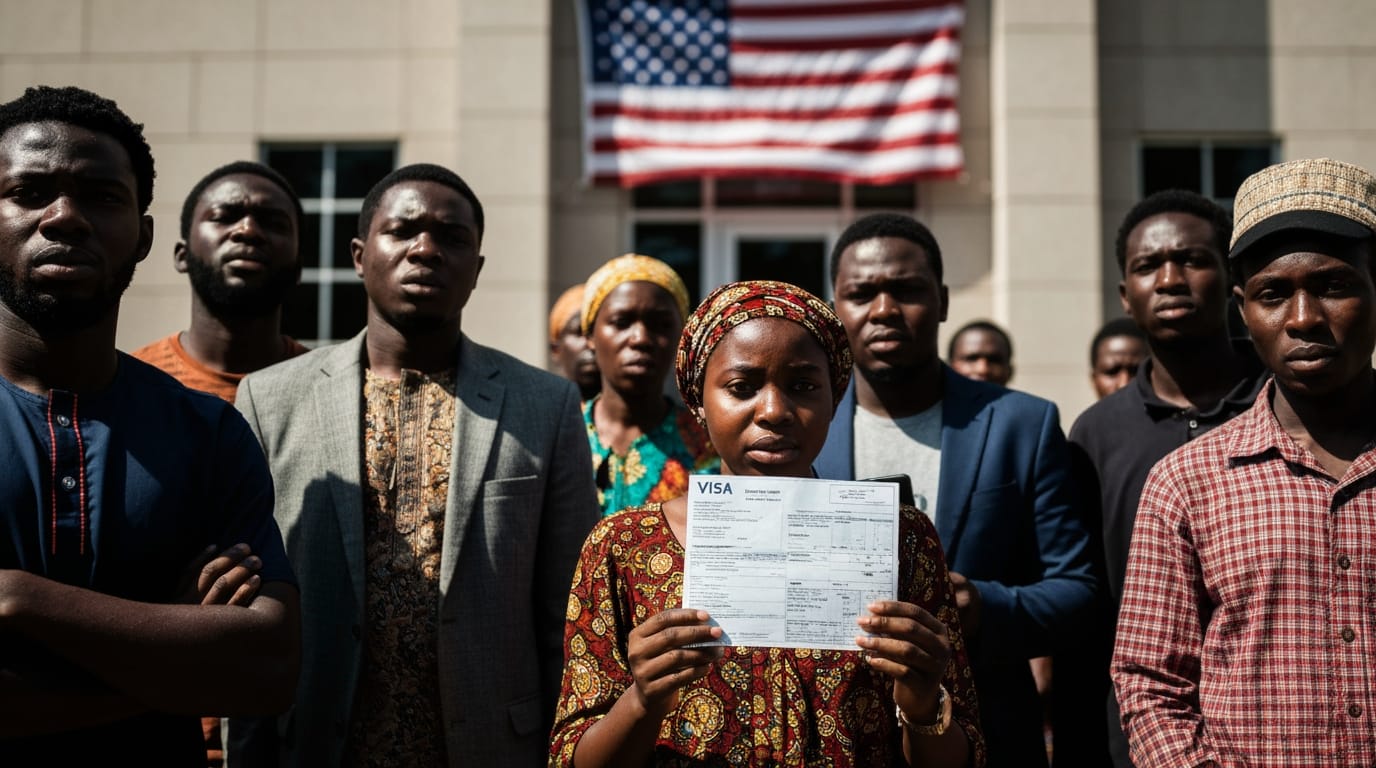
Washington D.C. – In a significant shift in U.S. immigration policy, the Trump administration's expansion of its travel restrictions in early 2020 disproportionately targeted several African countries, sparking widespread concern and criticism across the continent and among human rights advocates. Citing national security concerns, the move imposed severe limitations on immigration from populous nations like Nigeria, alongside Eritrea, Sudan, and Tanzania, drawing a swift backlash and raising questions about its diplomatic, economic, and social ramifications for U.S.-Africa relations.
The Scope of the Expanded Ban and Justifications
On January 31, 2020, the Trump administration announced an expansion of its existing travel restrictions, adding six countries to the list of nations facing limits on U.S. entry. Among these were four African countries: Nigeria, Eritrea, Sudan, and Tanzania, along with Myanmar and Kyrgyzstan. For Nigeria and Eritrea, the restrictions primarily halted immigrant visas, effectively preventing citizens from moving to the U.S. permanently. Sudan and Tanzania faced limitations on their participation in the Diversity Visa Lottery program, which grants up to 50,000 visas annually to countries with historically low rates of immigration to the United States.
The Department of Homeland Security and State Department officials justified the expanded ban by asserting that the affected countries failed to meet U.S. security and information-sharing standards. Chad Wolf, the acting Homeland Security Secretary at the time, stated that these nations had deficiencies in sharing terrorist, criminal, or identity information, creating vulnerabilities that could be exploited. Other reasons cited included high visa overstay rates and difficulties in verifying travelers' criminal records before their arrival. This 2020 expansion built upon an earlier travel ban implemented in 2017, which had already included several African nations such as Somalia, Libya, Chad, and Sudan, primarily targeting Muslim-majority countries.
Economic and Social Repercussions Across Africa
The expanded visa restrictions generated significant apprehension regarding their potential economic and social consequences for African nations. Critics argued that the "America First" policy, which underpinned these measures, could lead to a decline in U.S. investment in Africa and a reduction in foreign aid, negatively impacting African economies that rely on these inflows for development. Many African countries also heavily depend on remittances from their diaspora communities residing in the U.S.. Policies that restrict migration and lead to deportations could significantly reduce these crucial funds, which serve as a vital source of income for countless families and contribute substantially to local GDPs.
Beyond financial implications, the ban was widely expected to have profound social repercussions. Educational and cultural exchange programs, critical for fostering mutual understanding and development, faced potential curtailment. This presented a particular challenge for African students seeking access to U.S. educational institutions, raising concerns that the restrictions could hinder their pursuit of higher education and professional development. The broader impact also included concerns about rising xenophobia and anti-immigrant sentiment in the U.S., potentially leading to increased discrimination against African diaspora communities.
Diplomatic Fallout and International Condemnation
The expansion of the travel ban drew sharp condemnation from various international bodies and African governments, fueling accusations of discrimination and undermining diplomatic relations. The African Union (AU) voiced its disapproval, warning of negative consequences for broader diplomatic ties and urging Washington to adopt a more consultative approach. Somalia's ambassador to the U.S., for instance, expressed his country's readiness to cooperate on security concerns, while also highlighting the importance of the longstanding relationship between the two nations.
The decision to include countries like Nigeria, Africa's most populous nation and largest economy, was particularly contentious. Many viewed the blanket restrictions as an alienating and patronizing message that disregarded the efforts made by African states to collaborate on security and data sharing. Some critics, including Democratic lawmakers in the U.S., labeled the ban as "clearly discriminatory" against people from predominantly Black and Muslim nations. Countries like Chad, previously affected by earlier bans, even responded by suspending visa issuance for U.S. citizens, citing principles of reciprocity and emphasizing their dignity and pride in the face of such measures.
The justifications provided by the Trump administration, such as concerns over outdated passport systems or weak data sharing, were met with skepticism by some African experts. They argued that many African states had invested significant resources and expertise over the past decade to upgrade their passport systems and enhance connectivity with international law enforcement bodies like Interpol. They perceived the criteria for the bans as non-transparent and primarily political rather than solely based on verifiable national security deficiencies.
Human Stories and Lasting Uncertainty
For individuals, the expanded visa restrictions translated into real-world challenges and anxieties. Families already separated by borders faced increased delays or complete cessation of reunification efforts. Prospective immigrants who had invested years and substantial resources in their applications saw their hopes deferred indefinitely. The ban created an environment of uncertainty for African students, professionals, and tourists hoping to travel to the U.S., affecting their ability to pursue education, employment, or simply visit relatives.
The chilling effect extended beyond those directly targeted, influencing migration patterns and fostering a sense of disenfranchisement among African communities globally. The focus on what the administration termed "security deficiencies" and "visa overstays" overshadowed decades of diplomatic progress and people-to-people connections, leading to accusations that the policies were driven by broader xenophobic sentiments rather than objective security assessments.
Conclusion: A Divisive Legacy for U.S.-Africa Relations
The Trump administration's expanded visa restrictions, particularly those implemented in early 2020 affecting several African nations, left a contentious and divisive legacy for U.S.-Africa relations. While framed as necessary measures for national security, these policies were widely perceived by African leaders and international observers as discriminatory, detrimental to economic development, and undermining of crucial diplomatic ties. The bans disrupted lives, separated families, and hindered educational and cultural exchanges, contributing to a sense of alienation and distrust. The long-term implications of these restrictions continue to be assessed, but they underscore the complex interplay between immigration policy, international relations, and human impact on a global scale.


