Trump Announces "Great Hospital Boat" for Greenland Amidst Shifting Arctic Geopolitics
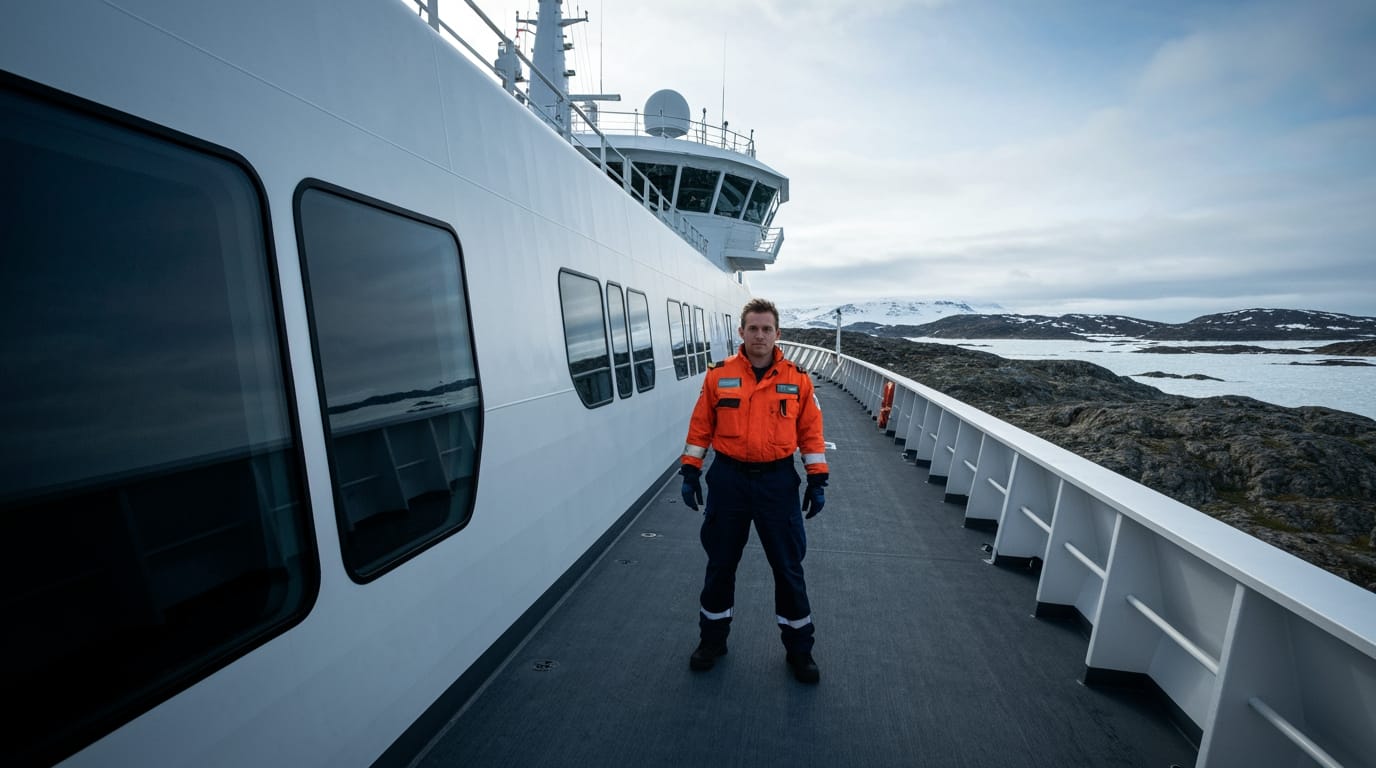
In a surprising development, former U.S. President Donald Trump announced plans to dispatch a "great hospital boat" to Greenland, citing a need to care for "many people who are sick" on the autonomous Danish territory. The announcement, made via social media on Saturday, February 21, 2026, stated that the vessel was already "on the way!!!" and was being coordinated with Louisiana Governor Jeff Landry. This latest move reignites discussion around the U.S.'s enduring, and at times controversial, interest in Greenland, against a backdrop of escalating strategic competition in the Arctic.
The Unexpected Humanitarian Gesture
President Trump's declaration on his Truth Social platform proclaimed, "Working with the fantastic Governor of Louisiana, Jeff Landry, we are going to send a great hospital boat to Greenland to take care of the many people who are sick, and not being taken care of there. It's on the way!!!" The statement, lacking specific details about the vessel or its exact mission, emerged just hours after Denmark's Joint Arctic Command conducted an urgent medical evacuation of a crew member from a U.S. submarine operating in Greenlandic waters. While the direct connection between these two events remains unclear, the timing has prompted speculation among observers regarding a potential "soft power" initiative aimed at enhancing U.S. influence in the strategically vital region. The announcement also coincided with a White House dinner for Republican governors, where Trump and Governor Landry were reportedly seen in close conversation.
A History of American Interest: From Purchase Offers to Diplomatic Friction
The U.S. interest in Greenland is not new, tracing back to the 19th century and reiterated multiple times throughout history, including an offer to buy the island in 1946. However, this interest gained renewed prominence during Trump's previous presidency. In December 2024, ahead of his second term, Trump publicly reasserted his view that U.S. control over Greenland was "an absolute necessity" for national security. This stance, reminiscent of past attempts to acquire the territory, escalated into a significant diplomatic crisis in early 2026. During this period, Trump threatened to impose substantial tariffs on European Union goods if Denmark refused to cede Greenland, and notably, declined to rule out the use of military force.
The Kingdom of Denmark and the autonomous government of Greenland consistently and unequivocally rejected these overtures, emphasizing that the island is not for sale and asserting their right to self-determination. Protests erupted in Greenland, with citizens displaying banners declaring "Greenland is not for sale," demonstrating strong local opposition to any transfer of sovereignty. The diplomatic tensions became so pronounced that the Danish Defence Intelligence Service, for the first time in its history, reportedly identified the United States as a potential threat to national security, citing concerns over Washington's willingness to use economic and potentially military leverage against allies.
The diplomatic standoff appeared to de-escalate on January 21, 2026, when President Trump, following a meeting with NATO Secretary-General Mark Rutte at the World Economic Forum in Davos, announced a "framework of a future deal" concerning Greenland and the broader Arctic region. As part of this alleged agreement, Trump stated he would withdraw his threats of tariffs against European nations that had opposed his acquisition efforts. Despite this, both Danish and Greenlandic authorities reiterated that any "deal" would not alter Greenland's sovereignty, suggesting Trump's remarks might have referred to existing commitments under a 1951 U.S.-Denmark treaty regarding defense.
The Arctic: A Geopolitical Chessboard
The repeated U.S. focus on Greenland underscores the accelerating strategic importance of the Arctic region. Climate change has led to melting ice, opening new sea routes and increasing access to vast natural resources, transforming the Arctic into a new frontier for geopolitical competition. Russia has significantly ramped up its military presence and activities in the region, establishing new Arctic commands and reopening Soviet-era military sites. China has also shown growing interest, seeking access to energy, critical minerals, and new sea lanes.
For the United States, the Arctic is deemed crucial for homeland defense and fulfilling international treaty commitments. As seven of the eight Arctic states are NATO members, the region is central to the alliance's collective security, prompting increased military exercises and enhanced capabilities. This evolving dynamic paints a picture of a region transitioning from an area of cooperation to one of heightened strategic rivalry, where actions by major powers are closely scrutinized for their geopolitical implications.
The "Hospital Boat" in Practice: Capacity and Constraints
The term "hospital boat" likely refers to one of the U.S. Navy's two Mercy-class hospital ships, the USNS Mercy or the USNS Comfort. These vessels are formidable floating hospitals, each boasting a capacity of 1,000 beds, along with multiple operating rooms, intensive care units, and a full suite of medical services including radiology, dental, and pharmacy facilities. Converted from oil tankers, these ships are among the largest in the Navy, equipped to provide comprehensive medical care.
The Mercy and Comfort are operated by civilian mariners from the Military Sealift Command, supported by a substantial contingent of military medical personnel. Their primary missions involve humanitarian assistance and disaster relief globally, as well as providing support to U.S. military operations. Deploying such a ship typically requires a mobilization period of about a week or more to fully staff and prepare. It is worth noting that the USNS Mercy is homeported in San Diego, California, and the USNS Comfort in Norfolk, Virginia, neither of which is in Louisiana, making Governor Landry's specific involvement in the "boat" dispatch less immediately clear.
Conclusion: A Blend of Diplomacy and Geopolitical Maneuvering
President Trump's announcement of a hospital boat for Greenland is the latest chapter in a complex narrative of U.S. engagement with the Arctic, blending humanitarian overtures with underlying strategic ambitions. While ostensibly a gesture of medical aid, it inevitably draws comparisons to previous attempts to acquire the territory and the ongoing geopolitical maneuvering in the High North. The dispatch of such a vessel, if materialized, could serve as a demonstration of U.S. logistical capability and a form of soft diplomacy, subtly reinforcing American presence and influence in a region increasingly vital for global security and economic interests. However, it also highlights the delicate balance of international relations, particularly with allies like Denmark and the autonomous government of Greenland, who remain resolute in their sovereignty amidst external pressures. The true impact of this "great hospital boat" will unfold as the complex dynamics of Arctic geopolitics continue to evolve.


