Trump Lays Out 2026 Vision Amid Economic Headwinds and Midterm Stakes
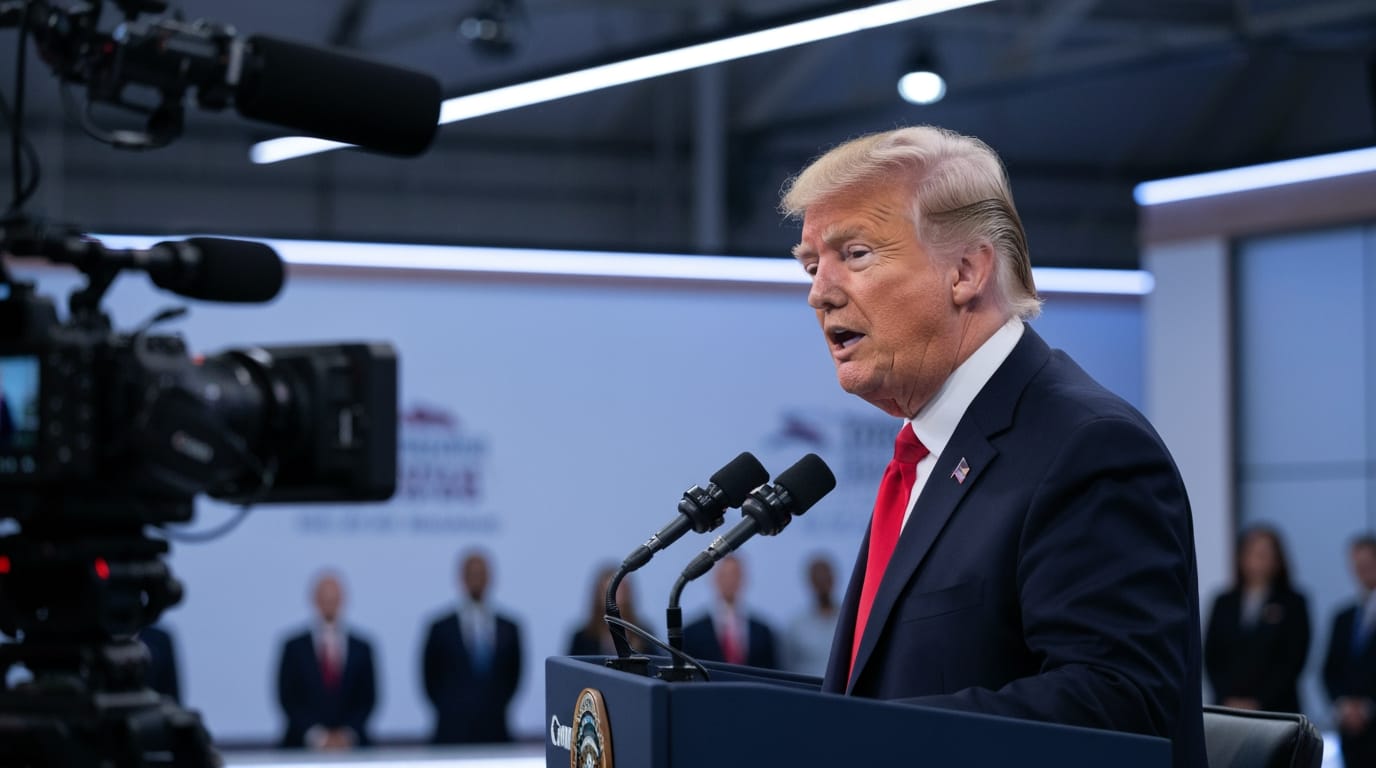
WASHINGTON D.C. – President Donald Trump delivered a primetime televised address from the White House on Wednesday night, outlining his ambitious agenda for 2026 and beyond. The speech, coming at a critical juncture marked by fluctuating economic indicators and the looming 2026 midterm elections, aimed to rally public support and chart a course for the remainder of his second term. With his administration facing scrutiny over its handling of the economy and a dip in presidential approval ratings, the address served as a pivotal moment for the President to redefine his narrative and solidify his policy priorities for the coming year.
Economic Recovery and the Promise of a "Tariff Dividend"
A central focus of President Trump's address was the nation's economic landscape, which has seen mixed signals throughout 2025. While administration officials have touted investment commitments in new factories and an expected surge in consumer activity driven by increased tax refunds, public polling indicates significant frustration among U.S. adults regarding the rising cost of living and inflation. The President attributed inflationary pressures to policies of his predecessor, emphasizing his administration's efforts to counteract these trends.
In a move anticipated to resonate with working families, President Trump reiterated his vision for a potential "$2,000 tariff dividend" or similar tax relief. This concept, floated previously on social media, suggests that revenue generated from tariffs on imported goods could directly benefit American taxpayers. While appealing, the proposal faces considerable legislative and fiscal hurdles, with experts warning of potential impacts on the national deficit and the volatility of tariff revenues. The administration maintains that these economic measures are crucial to reversing the recent decline in manufacturing jobs and ushering in a "golden age" for America.
Navigating the 2026 Midterm Landscape
The timing of President Trump's address was undeniably strategic, delivered on the eve of a pivotal election cycle. The 2026 midterm elections will serve as a significant referendum on his leadership, determining the balance of power in both the House of Representatives and the Senate. Public opinion polls suggest an erosion of the President's popularity, making the forthcoming year critical for his party's electoral prospects.
During his speech, the President framed his agenda as a direct response to the will of the American people, asserting that broader support would materialize if his track record were fully understood. White House Press Secretary Karoline Leavitt stated that the address would highlight the administration's achievements throughout the past year and lay out plans to continue "delivering for the American people." The political stakes are high, with the outcome of these midterms poised to either solidify or challenge the current administration's ability to advance its legislative priorities in the latter half of its term.
Expanding "America First": Immigration, Environment, and Global Posture
Beyond economic policy, the President's 2026 outlook included a reinforcement of his "America First" doctrine across several key areas. The administration is poised to implement expanded travel restrictions targeting multiple nations, with new limitations set to take effect on January 1, 2026. This expansion will bring the total number of affected countries to 39, reflecting the administration's continued focus on national security and border control, policies which have historically drawn both strong support and significant criticism.
In the realm of environmental policy, 2025 saw a rapid dismantling of regulations, and the administration appears intent on cementing these changes in 2026. This aggressive approach aims to prevent future administrations from reining in greenhouse gas pollution, signaling a continued divergence from conventional climate change mitigation strategies.
On the international front, a new National Defense Strategy is expected to prioritize homeland defense and U.S. interests within the Western Hemisphere. This strategic shift may entail a reduced focus on engagement in Europe and a re-evaluation of alliances, potentially reorienting global resources towards other perceived threats, particularly in the Indo-Pacific.
The Road Ahead: Balancing Ambition with Public Sentiment
President Trump's televised address served as a blueprint for a challenging year ahead, where his administration will seek to consolidate its policy gains and navigate significant political headwinds. The emphasis on economic recovery through tariffs and potential stimulus, alongside reinforced "America First" policies on immigration and defense, outlines a clear, if controversial, path. However, the success of this agenda hinges on its ability to overcome public skepticism regarding the economy and secure electoral victories in the 2026 midterms.
As the nation enters 2026, the administration's ability to translate its ambitious plans into tangible improvements for everyday Americans, while simultaneously addressing concerns over its divisive policies, will largely determine its legacy and the future trajectory of American politics. The interplay between presidential power, public opinion, and the upcoming electoral challenges will define the political narrative of the coming year.