Trump Purges National Security Advisors Amid Loyalty Concerns
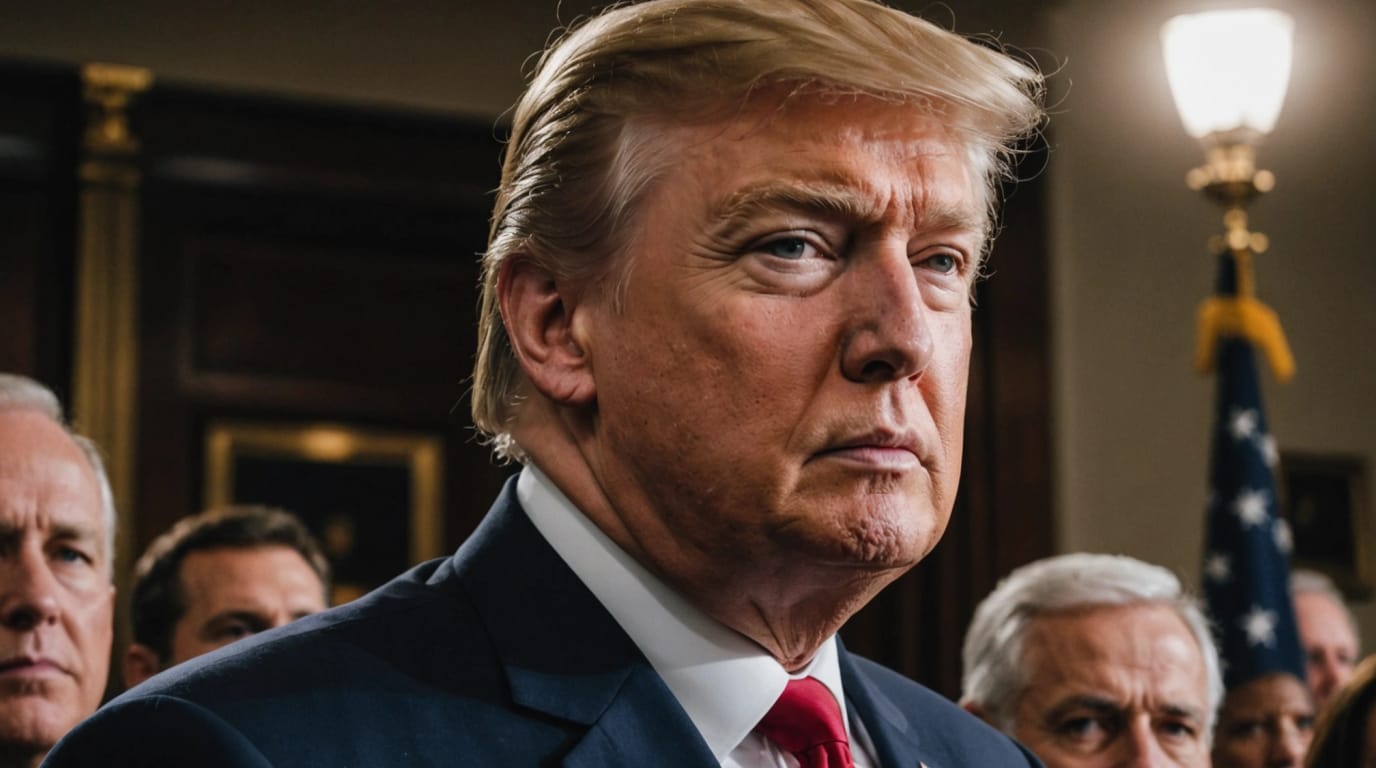
WASHINGTON - President Donald Trump has dismissed several National Security Council (NSC) officials, a move that follows concerns raised about staff loyalty by far-right activist Laura Loomer. The firings come at a turbulent time for Trump's national security team, already facing scrutiny over the use of encrypted messaging apps and questions about internal divisions.
The dismissals, which began Wednesday, have affected at least three senior NSC officials and multiple lower-ranking aides. Those terminated include Brian Walsh, a director for intelligence; Thomas Boodry, a senior director for legislative affairs; and David Feith, a senior director for technology and national security.
Loomer's Influence
The catalyst for the firings appears to be a meeting between Trump and Loomer in the Oval Office on Wednesday. Loomer, a controversial figure known for promoting conspiracy theories, reportedly urged Trump to purge staffers she deemed insufficiently loyal to his "Make America Great Again" agenda. Several individuals familiar with the matter confirmed that Loomer presented her case for the firings during the meeting.
Trump downplayed Loomer's influence, stating that he listens to many recommendations before making decisions. However, the timing of the firings, immediately following Loomer's intervention, suggests a significant impact. Loomer herself acknowledged the meeting on X, stating she presented Trump with her "research findings" and would continue to advocate for "STRONG VETTING" to protect national security.
"Signalgate" and Waltz's Woes
The NSC shakeup coincides with scrutiny surrounding National Security Advisor Mike Waltz's use of the encrypted Signal app to discuss sensitive military operations. Waltz inadvertently added a journalist to a private Signal chat discussing the March 15 military operation targeting Houthi militants in Yemen, an incident dubbed "Signalgate."
The Pentagon's acting inspector general announced Thursday a review of Defense Secretary Pete Hegseth's and other defense officials' use of Signal. Trump has defended Waltz, who traveled with the president to Florida on Thursday. However, the Signal controversy has added to the perception of disarray within the national security apparatus.
Loyalty vs. Competence
Trump, when questioned about the firings, stated that "we're always letting go of people" who "we don't like or people that we don't think can do the job or people that may have loyalties to somebody else." This statement raises questions about the criteria used for personnel decisions within the NSC.
Critics argue that prioritizing loyalty over competence could undermine the effectiveness of the national security team. The NSC requires experienced professionals with diverse perspectives to provide the president with well-rounded advice. Purging individuals based on perceived disloyalty risks creating an echo chamber and limiting the range of expertise available to the president.
Impact and Implications
The dismissal of multiple NSC officials creates uncertainty and potential instability within the national security apparatus. These individuals play critical roles in advising the president on complex and sensitive issues. Their departure could disrupt ongoing projects, delay policy decisions, and create a vacuum of expertise.
The firings also raise concerns about the influence of individuals outside of government, such as Loomer, on national security policy. Allowing external actors to dictate personnel decisions could politicize the NSC and undermine its independence.
A Tumultuous Time
The NSC shakeup is the latest in a series of personnel changes and controversies that have plagued the Trump administration's national security team. The high turnover rate and internal conflicts have raised questions about the stability and effectiveness of the NSC.
As Trump continues to reshape his national security team, it remains to be seen whether these changes will strengthen or weaken the country's ability to address the complex challenges facing the nation. The focus on loyalty, the influence of outside actors, and the ongoing controversies surrounding the use of secure communication channels all contribute to a sense of unease and uncertainty within the national security establishment.


