Trump Sues IRS and Treasury for $10 Billion Over Leaked Tax Records
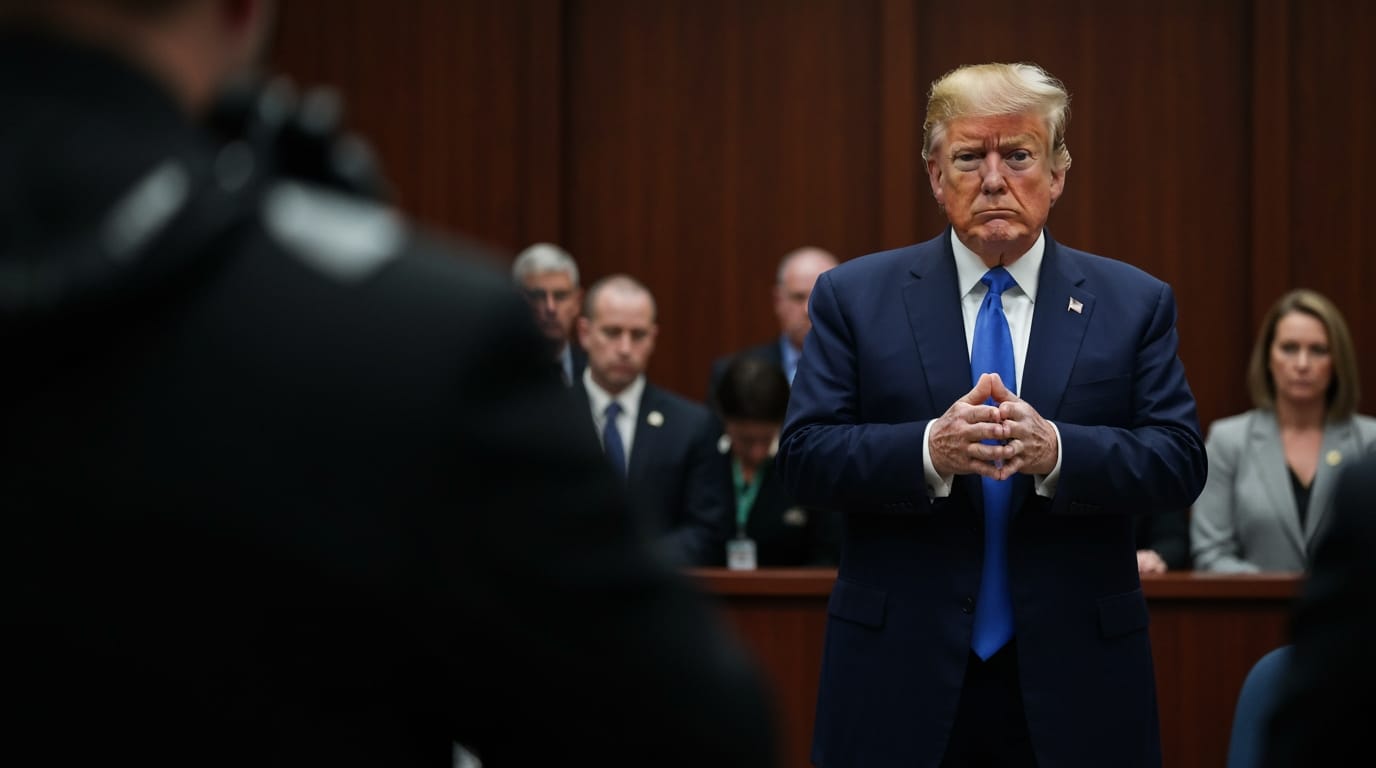
Washington, D.C. — In an unprecedented legal maneuver, President Donald Trump, alongside his sons Eric Trump and Donald Trump Jr., and the Trump Organization, has filed a $10 billion lawsuit against the Internal Revenue Service (IRS) and the U.S. Treasury Department. The lawsuit, lodged in a Florida federal court on Thursday, alleges that the federal agencies failed to prevent the unlawful disclosure of confidential tax information to news outlets between 2018 and 2020, resulting in significant reputational and financial harm to the plaintiffs. This action places the sitting president in the unusual position of suing components of the executive branch he oversees.
Allegations of Negligence and Harm
The complaint, filed in a Miami federal court, asserts that the IRS and Treasury Department neglected their fundamental duty to safeguard and protect the confidential tax returns of President Trump and his associated entities. The plaintiffs contend that the agencies did not implement "mandatory precautions" to prevent the leaks, which they claim were either willful or resulted from gross negligence. According to the lawsuit, the unauthorized disclosures led to "reputational and financial harm, public embarrassment, unfairly tarnished their business reputations, portrayed them in a false light, and negatively affected President Trump, and the other Plaintiffs' public standing." The suit specifically seeks at least $10 billion in damages, and the plaintiffs may also pursue punitive damages.
The Role of a Rogue Contractor
Central to the lawsuit's allegations is the actions of Charles Edward Littlejohn, also known as "Chaz," a former IRS contractor who worked for Booz Allen Hamilton. Littlejohn was responsible for illegally accessing and leaking tax information pertaining to President Trump, his sons, and the Trump Organization to news organizations. In 2023, Littlejohn pleaded guilty to one count of unauthorized disclosure of tax return information and was subsequently sentenced to five years in prison in 2024 for his actions. Prosecutors described Littlejohn's disclosures as "unparalleled in the IRS's history" and highlighted that he "abused his position" and "weaponized his access to unmasked taxpayer data to further his own personal, political agenda." The leaked information, which included tax data from 2018 to 2020, was provided to outlets such as The New York Times and ProPublica. The New York Times reported that President Trump had not paid federal income tax for several years prior to 2020, while ProPublica published a series on discrepancies found in Trump's records. The lawsuit argues that these disclosures caused significant damage, including negatively impacting President Trump's support among voters in the 2020 presidential election. The disclosure of this information violated IRS Code 6103, a federal statute known for its strict confidentiality laws regarding taxpayer information.
Distinguishing Leaks from Official Releases
It is crucial to differentiate Littlejohn's unauthorized leaks from a separate, lawful release of former President Trump's tax returns by the House Ways and Means Committee. In December 2022, after a protracted legal battle that culminated in a Supreme Court ruling favoring the committee, the Democratic-controlled House Ways and Means Committee obtained and subsequently released six years of Trump's tax returns, covering the period from 2015 to 2020. This action was taken as part of an investigation into the IRS's mandatory audit program for presidents. The committee's report, issued in conjunction with the release, highlighted that the IRS had failed to audit President Trump's tax filings for three of the four years he was in office, and that the one audit initiated was not completed. This congressional release was a distinct event from the contractor's illegal dissemination of tax data, which forms the basis of the current lawsuit.
Broader Implications for Privacy and Accountability
This lawsuit carries significant implications for taxpayer privacy, government accountability, and the broader political landscape. The pursuit of $10 billion in damages against federal agencies underscores the seriousness with which the plaintiffs view the breach of confidentiality. The case will likely delve into the extent of responsibility federal agencies bear for the actions of their contractors and the robustness of their data security protocols. In a related development earlier this week, the U.S. Treasury Department announced it had cut its contracts with Booz Allen Hamilton, the firm that employed Littlejohn, directly citing Littlejohn's crimes as the reason. This decision reflects a proactive measure by the Treasury in response to the security breach. President Trump's decision to sue federal entities while holding office is notable, placing him in a unique legal position. This lawsuit also follows a pattern of high-value legal actions initiated by President Trump since his return to the White House in 2024, including suits against media organizations like The New York Times, Penguin Random House, The Wall Street Journal, and the BBC, often seeking substantial financial compensation.
Conclusion
President Trump's $10 billion lawsuit against the IRS and Treasury Department represents a critical juncture in the ongoing debate surrounding government data security and the privacy of personal financial information, especially for high-profile individuals. The legal proceedings will undoubtedly scrutinize the measures taken by federal agencies to protect sensitive taxpayer data and the potential liabilities when such information is compromised by insiders. As the case proceeds in Florida federal court, its outcome could establish new precedents for how federal agencies are held accountable for data breaches and may influence future policies designed to safeguard confidential government-held information from unauthorized access and disclosure.