Trump Taps Former Governor Kevin Warsh to Lead Federal Reserve Amid Economic Crosscurrents
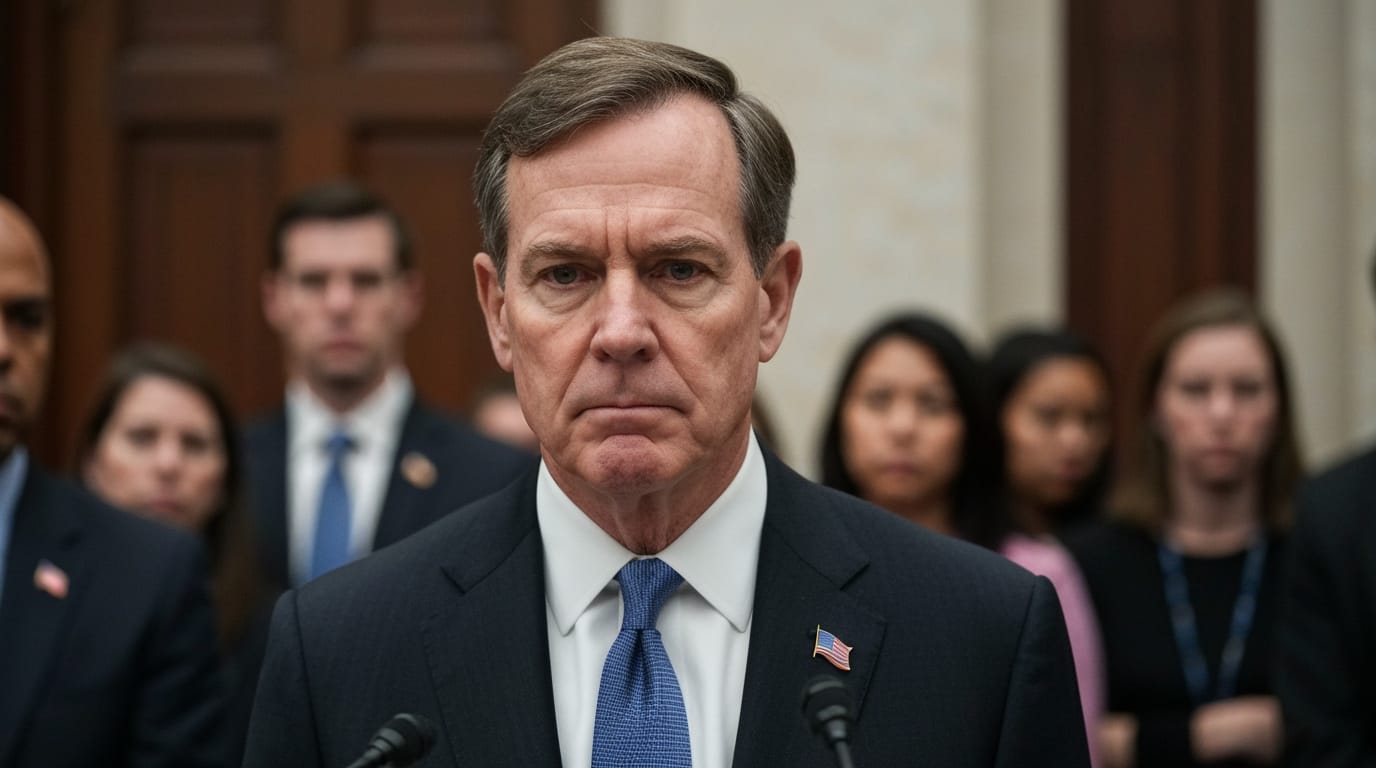
President Donald Trump today announced his intent to nominate former Federal Reserve Governor Kevin Warsh as the next Chair of the U.S. central bank, signaling a significant shift in leadership at a pivotal moment for the nation's economy. The decision, made public via a social media post, positions Warsh to succeed current Chair Jerome Powell, whose term concludes in May. This critical appointment comes as the Federal Reserve navigates ongoing economic complexities, including inflation management and interest rate policy, and underscores the administration's assertive approach to shaping the country's financial stewardship.
A New Era for Federal Reserve Leadership
The announcement by President Trump ends months of speculation regarding the leadership of the Federal Reserve, one of the most powerful economic positions globally. Trump expressed his strong confidence in Warsh, stating in a social media post that he believed Warsh would be "one of the great Fed chairmen, perhaps the best". Warsh's potential ascension to the helm of the Fed marks a notable change from the current leadership, particularly given the well-documented tensions between President Trump and the outgoing Chair, Jerome Powell. The President has repeatedly criticized Powell's approach to interest rates, advocating for deeper cuts to stimulate economic growth, and these criticisms have often been perceived as challenges to the central bank's long-standing independence. Warsh, who was also considered for the role in 2017 when Powell was first appointed, now faces the task of steering the central bank through an economic landscape marked by persistent inflation, evolving monetary policy debates, and global uncertainties. The Senate confirmation process will be the next critical hurdle for Warsh as he seeks to assume this influential role.
Kevin Warsh: A Background in Finance and Policy
Kevin Maxwell Warsh, 55, brings a wealth of experience from both the public and private sectors to the prospective role of Federal Reserve Chair. A former member of the Federal Reserve Board of Governors from 2006 to 2011, Warsh served during a tumultuous period that included the 2008 global financial crisis. During this time, he played a crucial role as the central bank's primary liaison to Wall Street and acted as the Federal Reserve's representative to the Group of Twenty (G20), engaging with both emerging and advanced economies in Asia.
Before his tenure at the Fed, Warsh served in the White House under President George W. Bush as Special Assistant to the President for Economic Policy and Executive Secretary of the National Economic Council from 2002 to 2006. His early career included time in the Mergers & Acquisitions department at Morgan Stanley & Co. in New York. After leaving the Federal Reserve, Warsh transitioned to academia and advisory roles, becoming the Shepard Family Distinguished Visiting Fellow in Economics at Stanford University's Hoover Institution, where he conducts extensive research in economics and finance. He also serves as a scholar and lecturer at the Stanford Graduate School of Business and holds positions on various boards, including UPS. Warsh's diverse background, spanning investment banking, presidential economic advising, and central banking during a crisis, provides him with a comprehensive understanding of financial markets and economic policy.
Economic Philosophy and Potential Policy Direction
Warsh's economic views suggest a potential shift in the Federal Reserve's approach to monetary policy, particularly regarding inflation and the central bank's balance sheet. He has articulated a belief that "inflation is a choice," challenging the conventional wisdom that it is solely a byproduct of an overheating economy or rising wages. Instead, Warsh has argued that the Federal Reserve's "bloated balance sheet," a legacy of past crisis-era interventions, can be significantly reduced. He contends that the capital tied up in this balance sheet could be redeployed through lower interest rates to support households and small-to-medium-sized businesses.
While Warsh has generally advocated for lower interest rates, analysts do not categorize him as the most "dovish" among the candidates previously considered for the Fed Chair role. He has emphasized that monetary policy alone cannot resolve all economic challenges, advocating instead for broader tax and regulatory reforms to boost productivity and foster long-term growth. His perspectives also incorporate the transformative potential of artificial intelligence, which he views as a significant disinflationary force capable of increasing productivity and bolstering American competitiveness. These views indicate a potential shift toward a more streamlined monetary policy focused on core functions, coupled with a call for greater fiscal responsibility and structural reforms from other policymakers.
Implications for the U.S. and Global Economy
The nomination of Kevin Warsh as Federal Reserve Chair carries significant implications for the U.S. and global economies. If confirmed by the Senate, Warsh would assume control over interest rate decisions, directly influencing borrowing costs for consumers and businesses, and shaping the central bank's ongoing battle against inflation. His stated preference for lower interest rates and a reduced balance sheet could lead to a period of lower borrowing costs and potentially a "hotter" economy, though some analysts suggest this could also contribute to higher inflation. The prospect of a Fed Chair aligned with the President's desire for lower rates could ease the tensions that marked the relationship between the White House and the Federal Reserve during Jerome Powell's tenure.
However, the nomination also reignites discussions about the independence of the Federal Reserve. President Trump's past criticisms of Chair Powell have fueled concerns about political influence over monetary policy. A Warsh chairmanship would be closely watched for any signs of altered independence, especially given his past criticisms of Fed leadership. On Wall Street, Warsh is reportedly well-regarded, and his nomination is expected to be met with a relatively positive reception, with some considering him a "safe choice" who would not always defer to presidential demands. The markets will be scrutinizing the confirmation process and Warsh's initial statements for indications of the future direction of U.S. monetary policy and the integrity of the Federal Reserve's independence.
Conclusion
President Trump's nomination of Kevin Warsh to lead the Federal Reserve marks a significant juncture for economic policy in the United States. Warsh's extensive background within the Federal Reserve and the White House, coupled with his distinct economic philosophy, suggests a potential reorientation of the central bank's strategies. As the U.S. economy navigates inflation, employment targets, and global economic shifts, the incoming Fed Chair will face immense pressure to maintain stability and foster growth. The confirmation process and Warsh's subsequent actions will undoubtedly be a focal point for financial markets, policymakers, and the public, as the nation anticipates a new chapter in its central banking leadership.


