Trump's Afghanistan Remarks Spark Transatlantic Furor, Undermining NATO's Sacrifices
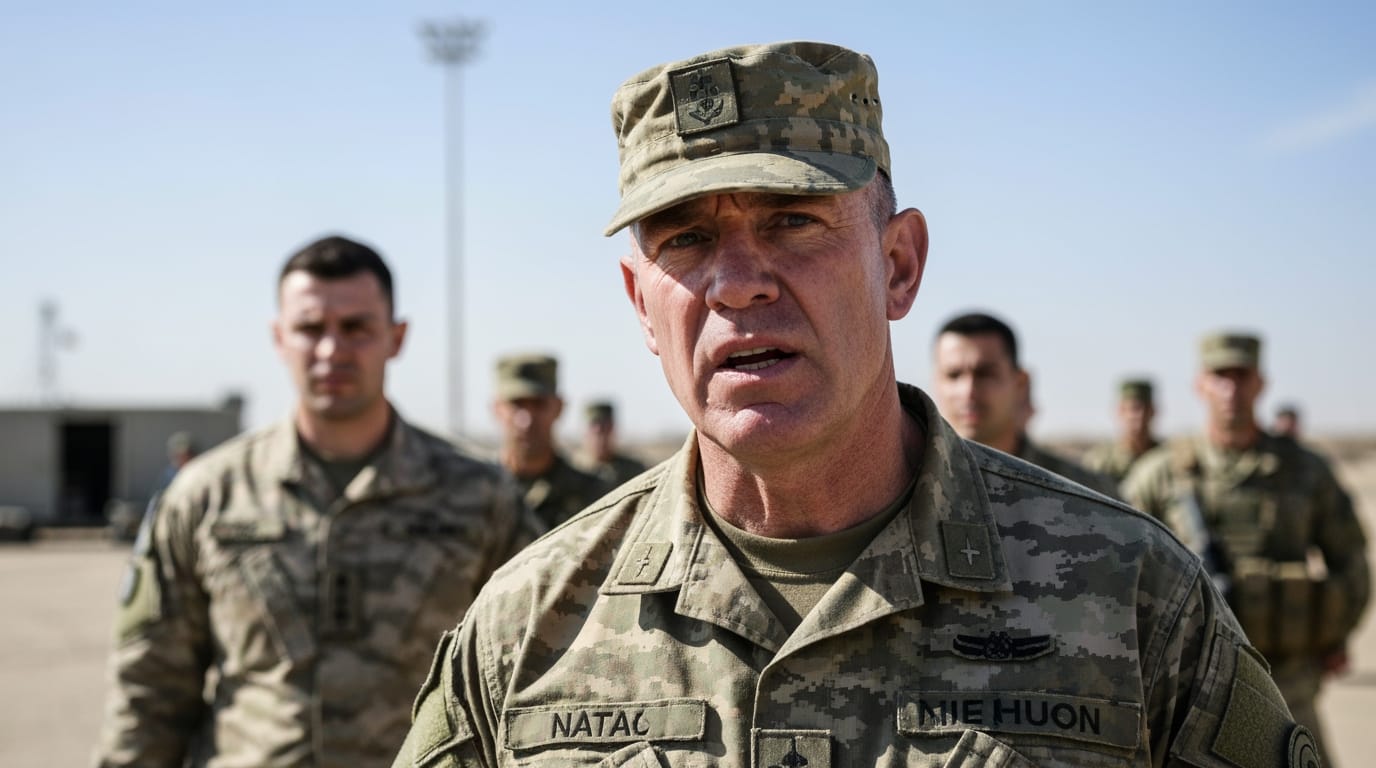
Former President Donald Trump has ignited a firestorm of controversy with recent statements questioning the commitment and role of NATO allies in the Afghanistan war, drawing swift and indignant rebuttals from European leaders, veterans, and military families. His assertions, which suggested allied forces "stayed a little back, a little off the front lines," have been widely condemned as a profound insult to the thousands of non-U.S. service members who served and died in the two-decade conflict, raising renewed concerns about the stability of the transatlantic alliance.
The Alliance's Shared Sacrifice in Afghanistan
NATO's involvement in Afghanistan represented an unprecedented act of collective defense, initiated after the United States invoked Article 5 of the North Atlantic Treaty following the September 11, 2001, terrorist attacks. This critical clause, which stipulates that an attack on one member is an attack on all, had never been triggered before. Allied nations responded with a robust commitment, deploying military forces under the International Security Assistance Force (ISAF) from 2001 to 2014, and later the Resolute Support Mission (RSM) from 2015 to 2021. These missions were mandated by the United Nations and aimed to assist the Afghan government in establishing security, combating terrorism, and building the capacity of Afghan national security forces.
At its peak, the ISAF mission comprised over 130,000 troops from 50 NATO and partner countries, demonstrating a broad international commitment to the Afghan campaign. Far from remaining "a little off the front lines," these forces engaged directly in combat operations, often in some of the most dangerous regions of Afghanistan. The human cost was substantial across the alliance. By 2021, when international forces withdrew, more than 3,500 coalition soldiers had perished in the conflict. Of this total, 2,461 were American service members, but a significant 1,025 were from other NATO and partner nations. The United Kingdom, for instance, suffered 457 fatalities, marking the second-highest death toll after the United States. Other countries, like Denmark, also paid a heavy price, losing over 40 troops, a particularly high number relative to its population size. Canadian forces also experienced significant casualties, with more than 40,000 personnel serving between 2001 and 2014. Many non-U.S. soldiers operated side-by-side with American troops, sharing the same risks and responsibilities in the field.
Trump's Scrutiny and Its Immediate Repercussions
The contentious remarks were made during a recent interview, where Trump asserted that the United States had "never needed" NATO and questioned the alliance's future reliability. He reiterated a sentiment he has expressed previously, suggesting that other nations would not come to America's aid if truly required. This latest broadside follows a consistent pattern of criticism throughout his political career, where he has frequently challenged the value of multilateral alliances and urged member states to increase their defense spending to the 2% of GDP benchmark.
The reaction to these specific comments regarding Afghanistan was immediate and overwhelmingly negative, particularly from those nations directly impacted by the conflict. Across the United Kingdom's political spectrum, the former president's statements were met with outrage and dismay. Government Minister Stephen Kinnock dismissed the claims as not bearing "any resemblance to reality," while Conservative leader Kemi Badenoch labeled them "flat-out nonsense." Sir Keir Starmer, the Prime Minister, described the remarks as "insulting and frankly appalling," paying tribute to the 457 British personnel who made the ultimate sacrifice and those who sustained life-altering injuries.
Families of fallen and injured soldiers voiced profound hurt. The mother of severely injured British soldier Ben Parkinson described Trump's comments as the "ultimate insult." Similarly, Lucy Aldridge, whose son William died in Afghanistan, found the remarks "extremely upsetting," emphasizing the daily trauma families endure due to their loved ones' contributions. Veterans who served in Afghanistan also spoke out, with Labour MP and former RAF officer Calvin Bailey, who served alongside U.S. special operations units, stating that the claim "bears no resemblance to the reality experienced by those of us who served there."
Rebuttals from Alliance Leaders and Veterans
International figures swiftly moved to counter Trump's narrative. NATO Secretary-General Mark Rutte, speaking prior to Trump's Fox News interview but in response to similar earlier doubts, directly challenged the premise that allies would not stand by the U.S. Rutte emphatically stated, "Let me tell you – they will. And they did in Afghanistan, as you know." He underscored the shared burden of the conflict, noting that "for every two Americans who paid the ultimate price, there was one soldier from another NATO country that did not come back to his family." This statistic starkly contradicts the impression that NATO contributions were peripheral or less exposed.
Canadian veterans, who endured significant combat and casualties, also expressed deep offense. They highlighted their nation's substantial deployment, which marked its largest overseas military engagement since the Second World War, asserting that their service was unequivocally on the front lines. These strong reactions from allied nations underscore a shared sense of duty and sacrifice that many feel is being unfairly diminished.
Enduring Implications for Transatlantic Unity
The latest comments by the former president arrive amidst a broader context of his "America First" foreign policy, characterized by skepticism towards multinational agreements and a prioritization of bilateral relations. His past criticisms have often focused on what he perceives as insufficient defense spending by European allies. While some analyses suggest his rhetoric on burden-sharing, though controversial, may have spurred some allies to increase defense expenditures, his recent remarks about combat roles in Afghanistan risk deeper damage to trust and cohesion within the alliance.
The implications of such rhetoric extend beyond historical revisionism. They risk exacerbating tensions between the United States and its allies at a time of complex global security challenges. Questions about NATO's future unity and effectiveness, particularly if similar sentiments guide future U.S. foreign policy, remain a significant concern for international stability and collective security. Maintaining strong alliances requires mutual respect and an acknowledgment of shared sacrifices, elements that many feel are being eroded by these repeated challenges to the historical record. The outrage generated by Trump's statements serves as a powerful reminder of the profound emotional and strategic weight that the Afghanistan war continues to carry for allied nations and their service members.


