Trump's "Board of Peace" Sparks Global Debate, Raises Concerns for UN's Future
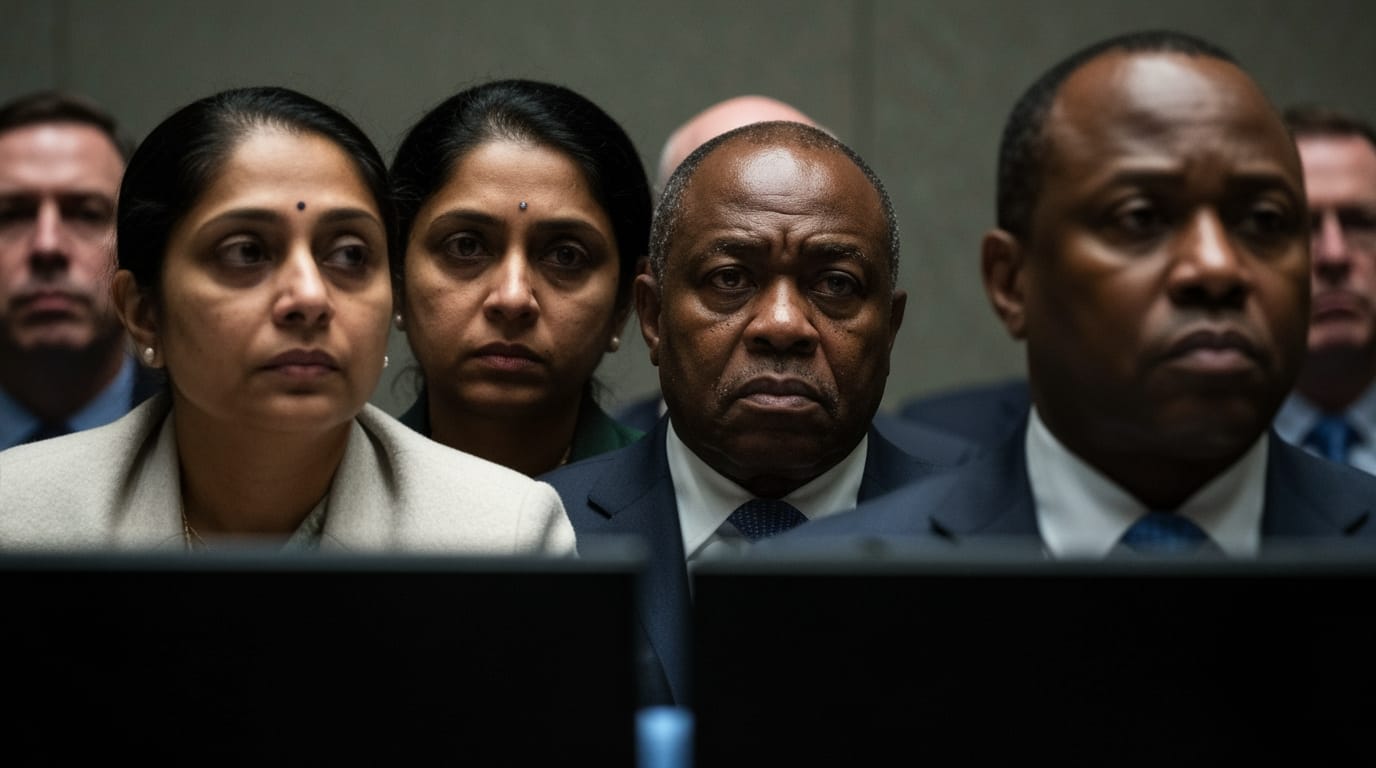
A new initiative spearheaded by former President Donald Trump, dubbed the "Board of Peace" (BoP), is rapidly generating international debate and prompting concerns about its potential to reshape global governance and challenge the established authority of the United Nations. Initially presented as a mechanism for the reconstruction and stabilization of the war-torn Gaza Strip, the BoP's ambitious charter and unique structure have led many to question whether it aims to supplement or supplant existing international institutions.
The unveiling of the Board of Peace, characterized by Trump as "the Greatest and Most Prestigious Board ever assembled," signals a significant development in global diplomacy, inviting a mixture of cautious acceptance, outright skepticism, and outright rejection from nations worldwide. Its proposed framework, which includes substantial financial contributions for permanent membership and broad powers vested in its chairman, raises fundamental questions about multilateralism and the future of international cooperation.
The Genesis of an Alternative: From Gaza to Global Ambitions
The concept of the Board of Peace first emerged as part of a U.S.-brokered plan for post-conflict Gaza. In November 2025, the United Nations Security Council adopted Resolution 2803, which explicitly backed the establishment of such a board to "set the framework, and coordinate funding, for the redevelopment of Gaza" until 2027. This resolution provided the initial international imprimatur for the body, even as Security Council permanent members Russia and China abstained from the vote, citing concerns over the UN's unclear role in the proposed structure.
However, the recently circulated draft charter for the Board of Peace quickly revealed ambitions far exceeding its initial, Gaza-specific mandate. The document describes the BoP as "an international organization that seeks to promote stability, restore dependable and lawful governance, and secure enduring peace in areas affected or threatened by conflict." Crucially, the charter makes no specific mention of Gaza, hinting at a broader, long-term vision. Reports suggest that the board's scope could expand to address conflicts in other regions, such as Ukraine and Venezuela, positioning it as a "more nimble and effective international peace-building body" compared to traditional institutions. This expansion of purpose has fueled speculation that the Board of Peace is intended to function as a parallel or even rival entity to the United Nations.
A Structure Built on Capital and Centralized Power
The organizational blueprint of the Board of Peace deviates significantly from the cooperative multilateralism embodied by the UN. Donald Trump is slated to chair the board for life, wielding extensive authority, including the power to appoint and remove member states. While decisions require a two-thirds majority vote among member states, the chairman retains veto power, concentrating considerable influence. An Executive Board, comprised of figures like U.S. Secretary of State Marco Rubio, former British Prime Minister Tony Blair, and Jared Kushner, would be appointed directly by Trump.
Perhaps the most contentious aspect of the BoP's structure is its financing model. Invitations sent to approximately 60 nations included a stipulation: a $1 billion cash contribution is required to secure a permanent seat on the board. Member states unwilling or unable to meet this financial threshold would serve three-year terms, subject to renewal by the chairman. The White House has framed this fee as a mechanism for partner countries to demonstrate deep commitment to peace and security. However, concerns have been raised regarding the management of these funds, with unnamed sources cited by Bloomberg finding it "unacceptable" that Trump, as inaugural chair, would manage the funds.
International Reactions and the Erosion of Trust
Global reactions to the Board of Peace have been varied, ranging from enthusiastic acceptance by some allies to cautious skepticism and outright rejection by others. Countries such as Hungary, Argentina, Kazakhstan, Uzbekistan, and the United Arab Emirates have either accepted invitations or expressed willingness to join. Canadian Prime Minister Mark Carney agreed "in principle," while indicating a need for further details. Notably, France has declined its invitation, and British ministers have voiced concerns regarding the board's funding and legal framework. Even Russia and Belarus, typically targets of Western sanctions, received invitations, with their respective governments confirming review of the proposal.
Many international observers and diplomats have expressed profound apprehension that the Board of Peace could undermine the United Nations. One diplomat reportedly described it as a "Trump United Nations" that disregards the fundamental principles of the UN charter. Critics argue that the BoP's design, emphasizing select membership and centralized control, could erode the UN's authority, set dangerous precedents for unilateral intervention, encourage the bypassing of international law, and establish a system where peace is dictated by those with the most financial leverage. A senior European official, speaking anonymously, reportedly indicated that European leaders are concerned that funding an organization advancing a Trump-led world order is unappealing, amidst speculation the BoP is designed as an alternative to the UN.
The United Nations in the Crosshairs
The current administration's stance toward international institutions, particularly the United Nations, has a history of skepticism. During a previous term, the U.S. adopted an "America First" foreign policy, which questioned multilateral agreements and sometimes involved withdrawing from or defunding UN-affiliated bodies. While the U.S. has historically been the largest financial contributor to the UN system, the previous administration pursued budgetary restraint and reform of UN peacekeeping operations, and withdrew from several UN entities. These actions have already challenged the UN's financial stability and influence.
UN peacekeeping operations, though not explicitly detailed in the UN Charter, have evolved as a primary tool for maintaining international peace and security under the authority of the Security Council. The UN's legitimacy stems from its broad membership and commitment to international law. The proposed Board of Peace, by contrast, operates with a more selective membership and a leadership structure designed to reinforce American influence, alarming diplomats. While a UN spokesperson acknowledged that member states are "free to associate in different groups," the broader implication of a powerful, parallel international body could lead to a fragmented system of competing peace initiatives, potentially weakening the global cooperative framework that has been in place since World War II.
Conclusion: A New Era of Global Governance?
The emergence of the Board of Peace represents a bold, potentially disruptive, move in the landscape of international relations. While its proponents argue it offers a more "nimble and effective" approach to conflict resolution, critics view it as a direct challenge to the multilateral order established after World War II, with the United Nations at its core. The debate over its legitimacy, inclusivity, and long-term viability is ongoing.
As nations weigh the implications of joining, the future authority and effectiveness of the Board of Peace remain uncertain. Its success, or failure, could profoundly impact the role of the United Nations and potentially usher in a new, perhaps more fragmented, era of global governance. The international community watches closely as this new board takes shape, assessing whether it will genuinely foster peace or merely exacerbate existing geopolitical tensions.


