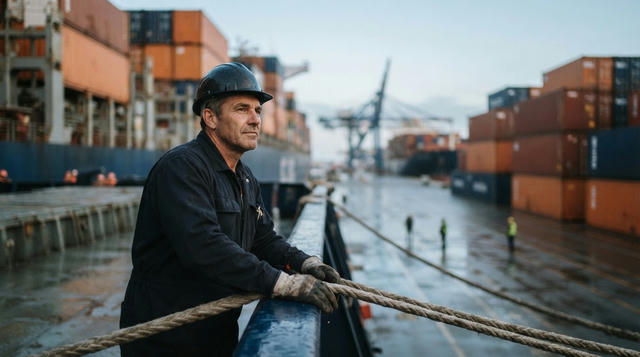
Trump's New Tariffs Threaten to Ignite Trade War with China Over Iran
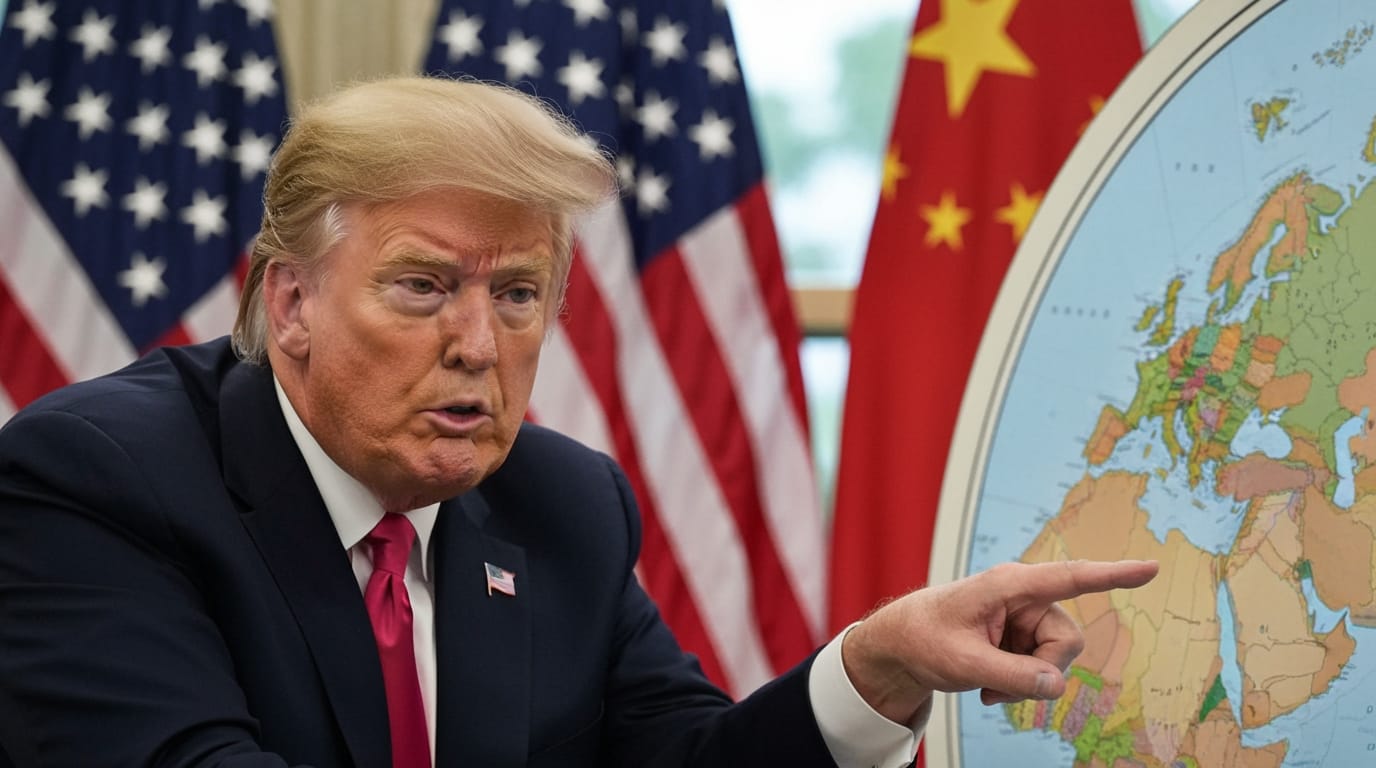
Washington, D.C. – In a move set to reverberate across global markets and geopolitical fault lines, former President Donald Trump announced Monday a sweeping 25% tariff on goods from any nation conducting business with Iran. The declaration, made via social media, signals a potential dramatic escalation of pressure on Tehran while simultaneously risking a fresh, intense trade confrontation with Beijing, Iran's largest trading partner. The immediate implementation of these tariffs, whose legal basis and specific scope remain unclear, could significantly disrupt international trade and raise prices for American consumers.
The Reinforcement of "Maximum Pressure"
Trump's tariff announcement comes amid growing anti-regime protests in Iran and is framed as a direct effort to further cripple the Iranian economy and its petroleum industry. This strategy echoes the "maximum pressure" campaign pursued during his first term, which saw the U.S. withdraw from the Joint Comprehensive Plan of Action (JCPOA) in 2018 and reinstate stringent sanctions on Iran. The aim of these U.S. secondary sanctions is to deter foreign entities from engaging in activities that generate revenue for Tehran, particularly through oil sales.
Recent legislative efforts have further underscored Washington's commitment to tightening the screws on Iran's illicit oil trade. Congress, in April 2024, enacted the Stop Harboring Iranian Petroleum (SHIP) Act and the Iran-China Energy Sanctions Act of 2023. These acts empower the U.S. government to sanction port operators, shipowners, and refineries involved in Iran's oil trade, and explicitly clarify that transactions by Chinese financial institutions for Iranian oil are sanctionable. Despite these measures, Iran's oil exports reportedly reached new heights in 2024, with China absorbing almost all of it.
China's Indispensable Role in Iran's Oil Economy
China stands as Iran's paramount trading partner, serving as the destination for approximately 90% of Iran's oil exports in recent years. This robust trade provides a crucial economic lifeline for Tehran, which has been largely cut off from international markets by U.S. sanctions. A primary driver for China's continued purchases is the substantial discount offered on Iranian crude, reportedly $8 to $12 below global benchmarks, translating into billions of dollars in savings for Beijing.
This trade often navigates complex and opaque channels to circumvent sanctions enforcement. Iranian oil is frequently imported by smaller, independent Chinese refineries, often referred to as "teapots," many of which have limited exposure to the U.S. financial system, making them less susceptible to traditional secondary sanctions. Ship-to-ship transfers and the transshipment of oil disguised as originating from other countries, such as Malaysia, are common tactics. Official Chinese customs data often underreports the true volume of imports from Iran, obscuring the scale of this trade. China's strategic calculus involves balancing its energy security needs and a desire to challenge U.S. influence with the risks of directly defying Washington's sanctions regime.
A Looming US-China Trade Conundrum
The potential application of these new 25% tariffs to China could reignite the trade war that defined much of Trump's previous term. If levied, these additional duties would stack on top of existing tariffs, potentially pushing the total U.S. import taxes on Chinese goods to over 70%. Such an increase would represent a significant economic blow to Chinese exporters and could compel Beijing to reassess its trade policies.
Unsurprisingly, China has responded with warnings of retaliation. Liu Pengyu, a spokesperson for the Chinese embassy in Washington, stated that "tariff wars and trade wars have no winners," and affirmed Beijing would "take all necessary measures to safeguard its legitimate rights and interests." This situation echoes previous flashpoints, such as when the Trump administration targeted Chinese telecommunications giant Huawei, accusing it of selling technology to Iran, leading to heightened tensions and significant economic fallout. The current threat challenges China's global standing and its determination to protect its commercial interests on the international stage.
Economic and Geopolitical Ripple Effects
The implications of a U.S.-China clash over Iranian oil tariffs extend far beyond bilateral trade figures. Economists have cautioned that the immediate imposition of tariffs, particularly on goods already in transit, could be profoundly disruptive to global supply chains and may ultimately prove "self-harming for the U.S." without necessarily altering Iran's behavior. The added costs could be passed on to American consumers, leading to higher prices.
For China, a forced reduction in Iranian oil imports, which currently constitute a significant portion of its total crude supply, would necessitate finding alternative, likely more expensive, energy sources. This shift could impact China's energy security and its refining margins. Moreover, any disruption to Iran's oil exports, estimated at around 2 million barrels per day with most destined for China, carries the potential to trigger volatility in global oil markets and affect prices. The proposed tariffs could also impact other nations with trade ties to Iran, including India and the United Arab Emirates, forcing them to navigate the increasingly complex landscape of U.S. sanctions and their own economic interests. Broadly, this escalation could deepen the economic decoupling between the world's two largest economies and contribute to heightened geopolitical instability across the Middle East and beyond.
Conclusion: A High-Stakes Gamble
The decision to impose new tariffs on countries doing business with Iran marks a significant and potentially volatile new chapter in global economic and political relations. While aimed at pressuring Iran, the principal fallout is poised to land squarely on China, threatening to reignite a contentious trade war with far-reaching economic consequences. The efficacy of these tariffs in altering Iran's behavior remains to be seen, but their potential to destabilize international trade, drive up costs, and intensify geopolitical rivalries is undeniable. As Washington and Beijing eye each other across this new tariff line, the global community watches closely, aware that the stakes involve not just oil and trade, but the delicate balance of power in an already fractured world.