Turkey at a Crossroads: Navigating Authoritarianism and Economic Uncertainty
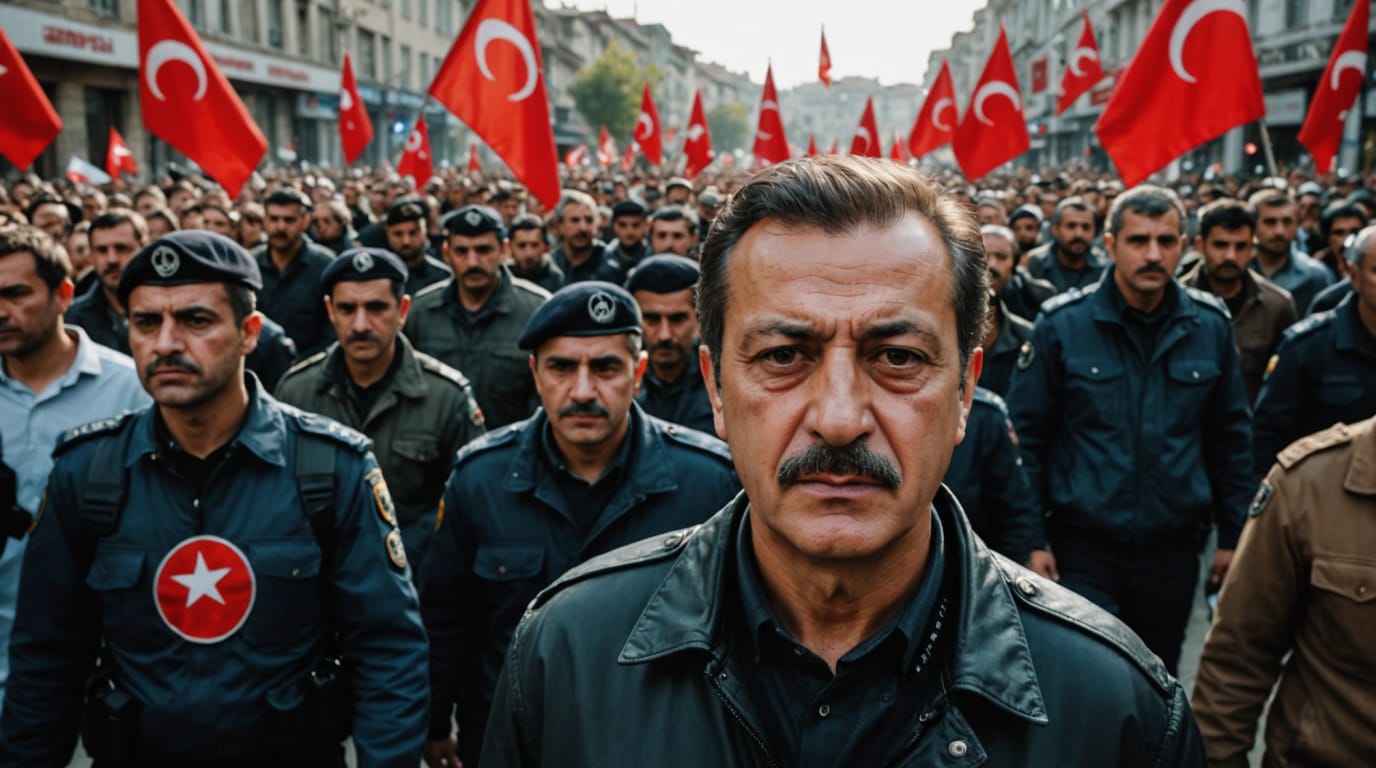
Turkey stands at a critical juncture in early 2025, facing a complex interplay of political repression, economic challenges, and societal unrest. Recent events, including the arrest of Istanbul Mayor Ekrem İmamoğlu, a prominent opposition figure, have ignited widespread protests and drawn international condemnation, raising serious questions about the country's democratic trajectory. While President Recep Tayyip Erdoğan's government grapples with these internal pressures, it also navigates a challenging economic landscape marked by persistent inflation and global economic headwinds.
Political Crackdown and Erosion of Democracy
The arrest of Ekrem İmamoğlu on March 23, 2025, on charges widely viewed as politically motivated, has become a focal point of domestic and international concern. İmamoğlu, a member of the Republican People's Party (CHP), had emerged as a strong potential challenger to Erdoğan in the 2028 presidential elections, having defeated the ruling party's candidates in multiple Istanbul mayoral contests. His detention, along with other opposition figures, has sparked massive demonstrations across Turkey, met with forceful responses from authorities, including widespread detentions, media censorship, and restrictions on freedom of expression.
This recent crackdown is seen as an escalation of the Turkish government's long-term efforts to consolidate power and suppress dissent. The Economist Intelligence Unit's Democracy Index 2024 ranked Turkey 103rd out of 167 countries, noting a continued decline in democratic norms, with worsening governance, declining political freedoms, and eroding institutional trust. The report highlighted alarming restrictions on civil liberties, particularly regarding free speech and freedom of the press.
The European Parliament has also voiced strong concerns about the Turkish government's interference in Kurdish-majority regions, including the removal and imprisonment of democratically elected mayors. The parliament has tied European funds to Turkey's commitment to the rule of law and fundamental freedoms, and has urged consideration of sanctions against Turkish officials involved in human rights violations.
Societal Mobilization and the Future of Opposition
Despite the government's repressive measures, societal mobilization remains a significant factor in Turkey's political landscape. The widespread protests following İmamoğlu's arrest demonstrate the public's discontent and the potential for collective action. While some analysts believe these protests alone may not topple the government, they could unite the opposition and potentially lead to Erdoğan's defeat in future elections, even if İmamoğlu remains imprisoned.
The CHP, under its new leadership, has shown signs of revitalization, securing local election victories in major cities like Istanbul and Ankara. The party's ability to maintain momentum and broaden its appeal will be crucial in challenging Erdoğan's dominance. However, divisions within the opposition and the potential for the government to exploit these divisions remain challenges.
Economic Headwinds and Uncertain Outlook
Turkey's economic outlook for 2025 is clouded by persistent challenges, including high inflation and a growing trade deficit. While the Turkish economy grew by 3.2% in 2024, exceeding forecasts, analysts expect a slightly lower growth rate of around 3.1% in 2025. The Central Bank of the Republic of Turkey (CBRT) projects year-end inflation at 24%, but some analysts view this as overly optimistic.
The government's focus on rebalancing the economy towards export-led growth may lead to reduced private consumption in the short term. Earthquake spending continues to strain the fiscal deficit, despite efforts to cut services and raise taxes. However, falling dollarization, rising foreign exchange reserves, and an expected drop in the fiscal deficit as earthquake spending winds down offer encouraging signs.
The resilience of the Turkish economy will be tested in 2025, as fiscal policy becomes more restrictive and the external environment remains challenging. A potential economic slump in Germany, increased competition from China, and the threat of protectionist policies could adversely affect exports and investment.
International Relations and Strategic Importance
Turkey's strategic geopolitical position continues to play a significant role in its relationship with the international community. Despite concerns over human rights and democratic backsliding, Western powers may be hesitant to exert strong pressure on Turkey, given its importance as a NATO ally and its role in regional security.
President Erdoğan has skillfully leveraged Turkey's strategic importance to navigate international relations and pursue his own agenda. However, strained relationships with the EU and the US remain a challenge, and the potential for further deterioration could have significant consequences for Turkey's economic and political future.
A Fork in the Road
Turkey stands at a critical juncture, facing a choice between further authoritarian consolidation and a return to democratic principles. The government's recent crackdown on the opposition, coupled with persistent economic challenges, has created a volatile situation. While societal mobilization and a revitalized opposition offer hope for a more democratic future, the path forward remains uncertain. The coming months will be crucial in determining whether Turkey continues down a path of authoritarianism or finds a way to restore its democratic institutions and safeguard the rights and freedoms of its citizens.


