Turkish Textile Industry Grapples with Deepening Crisis as Economic Headwinds Mount
Istanbul, Turkey – Turkey's once-vibrant textile and apparel industry, a cornerstone of its manufacturing sector and a significant global player, is facing its most severe downturn in decades. A confluence of escalating inflation, soaring production costs, and intensified global competition has triggered widespread factory closures, substantial job losses, and a palpable sense of apprehension across the sector. Industry leaders warn that without urgent intervention, the country risks a significant deindustrialization, threatening the future of a sector that has long been a key employer and export driver.
The Unraveling Thread: A Sector in Distress
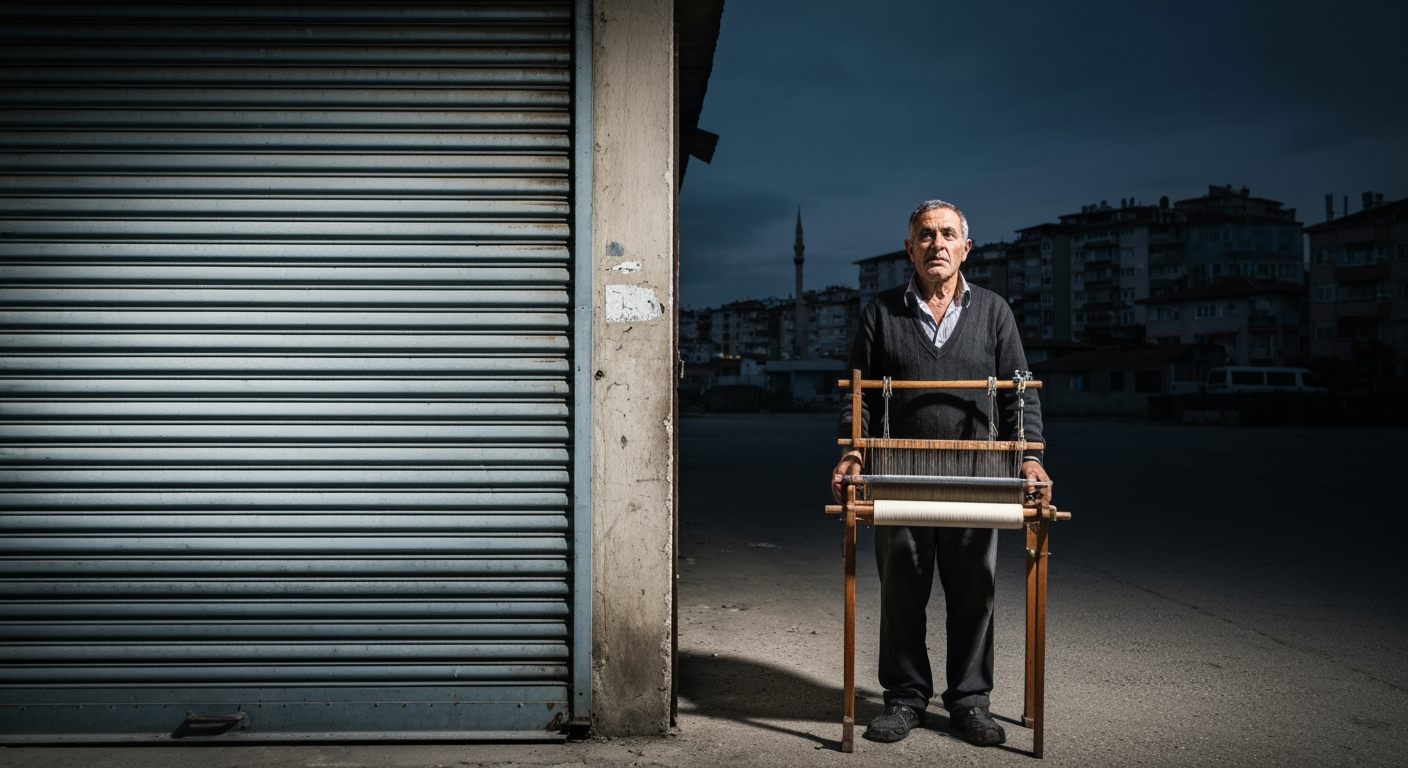
The scale of the crisis facing Turkish textiles is stark. In the past year alone, nearly 49,000 merchants in the textile and garment sector have closed their shops, reflecting a broader economic malaise that saw over 11,000 companies declare bankruptcy and almost 49,000 small businesses cease operations in the first five months of the year. The physical manifestations of this downturn are visible in key textile hubs like Istanbul's Merter district, where "For Rent" signs now adorn numerous storefronts, a stark contrast to its former bustling commercial activity.
Production capacity has been severely impacted, with the industry's utilization rate plummeting to approximately 70%, and some yarn manufacturers experiencing rates closer to 50%. This underutilization signals a dramatic reduction in output and a struggling manufacturing base. The human cost of this downturn is equally significant; estimates suggest around 250,000 jobs have been shed over the past two years, with a total of 320,000 employees exiting the sector. By March 2025, the textile and apparel sectors had recorded a combined employment loss of nearly 80,000 positions compared to the previous year.
A Web of Economic Pressures: Deconstructing the Causes
The current predicament of the Turkish textile industry stems from a complex interplay of macroeconomic factors and shifts in global trade dynamics. Foremost among these is the country's persistent battle with high inflation, which has surged above 70%, reaching over 75% year-on-year in some periods. This inflationary environment has dramatically inflated the cost of raw materials and operational expenses, including electricity and fuel, which have seen an approximately 1.8-fold increase over the past year.
Compounding the cost burden are the rising labor expenses. The average cost of a textile worker in Turkey, which stood around $700 in 2020, is projected to exceed $1,600 by 2025. This significant increase, driven by nominal minimum wage hikes and indirect costs such as foreign exchange pressures and social security premiums, has eroded Turkey's traditional competitive advantage of lower labor costs. Furthermore, the Central Bank's policy of high interest rates, peaking at a 50% repo rate in March 2024 to combat inflation, has made access to affordable credit challenging for businesses already struggling with tight margins. The depreciation of the Turkish Lira, which has fallen to nearly 40:1 against the U.S. Dollar, has further exacerbated the situation by making imported inputs more expensive and diminishing domestic purchasing power.
Beyond domestic economic pressures, the industry faces fierce international competition. Sluggish demand from key European export markets, coupled with the rising competitiveness of countries like China, Bangladesh, and Vietnam, which offer cheaper labor and advantageous trade agreements, has led to a decline in Turkish textile exports. Textile exports, which peaked at $10.35 billion in 2022, slid to $9.49 billion in 2024. Similarly, apparel exports decreased from $22.2 billion in 2022 to $19.7 billion in 2024. Irregular import practices, facilitating the influx of cheap products from some nations, have also been cited by sector representatives as contributing to unfair competition.
The Broadening Impact: Economic and Social Ripples
The crisis in the textile sector casts a long shadow over Turkey's broader economy and social fabric. The substantial job losses represent a direct impact on livelihoods, and the continued closure of factories suggests a potential deindustrialization trend. The Turkish Clothing Manufacturers' Association (TGSD) estimates that misguided economic policies since 2022 have resulted in a $7 billion loss in production and 210,000 job cuts in the ready-made garment industry alone. Projections indicate that the share of goods and services exports in Turkey's Gross Domestic Product (GDP) could fall from 27.2% in 2022 to 16.4% by 2028, signaling a worrying shift away from an export-driven growth model.
The once-esteemed "Made in Türkiye" label, synonymous with quality and reliability in textiles, is at risk of losing its value on the international stage if the industry cannot stem the tide of closures and maintain its competitive edge. A significant trend emerging from the crisis is the relocation of Turkish textile manufacturing operations abroad, particularly to Egypt, where approximately 200 factories have been established by Turkish companies, drawn by lower operational costs and more favorable conditions.
Charting a Course Forward: Industry Calls for Support and Strategic Pivots
In response to the deepening crisis, industry leaders are vocal in their calls for immediate and comprehensive government support. They advocate for measures to reduce inflation, lower interest rates, ease access to affordable loans for producers, and decrease production costs. There is a strong appeal for protective measures against cheap imports and a reconsideration of Free Trade Agreements (FTAs) with countries identified as direct competitors.
The government has acknowledged the strategic importance of the textile and garment sectors, implementing some supportive initiatives. These include increasing Eximbank resources, expanding rediscount credits, and reducing the foreign exchange requirement for exporters. Furthermore, a support package of 10 million liras per company, offering up to 50% grant assistance, has been announced for businesses initiating green transformation efforts, aligning with global sustainability trends.
However, beyond immediate relief, a more profound transformation is recognized as essential for long-term viability. Industry experts highlight the need to shift from a volume-based manufacturing model to one centered on innovation, technology, and sustainability. This involves focusing on technical textile production, smart fabrics, functional products, and strengthening branding and digitalization efforts to achieve higher profit margins with lower production volumes. While the sector experienced declines in production and capacity utilization, there were signs of growth in value-added products and specific market segments during the January-October 2025 period, indicating potential avenues for recovery and strategic redirection.
Conclusion: A Critical Juncture for a Heritage Industry
Turkey's textile industry stands at a critical juncture. The current economic headwinds have exposed vulnerabilities, leading to a significant contraction and challenging its traditional competitive advantages. The path forward requires a delicate balance of responsive government policies, strategic industry-led transformation towards high-value production and innovation, and an unwavering commitment to maintaining its skilled workforce. As global markets evolve and cost pressures persist, the ability of Turkish textiles to adapt, innovate, and secure its place in a new global landscape will determine whether this heritage industry can regain its footing and weave a new narrative of resilience and growth.
Related Articles


Mounting Frustration Grips Russia as Economic Hardship and War's Toll Deepen
Moscow, Russia – A palpable shift in public sentiment is emerging across Russia, with growing frustration among citizens fueled by a confluence of economic pressures, increasing internet restrictions, and the undeniable...

Germany's Strategic Calculus: Ukraine Aid is an Investment in European Security, Not Charity
Berlin – The ongoing provision of substantial aid to Ukraine by Germany and its allies is increasingly being framed not as an act of altruism, but as a crucial investment in European security and stability. This...