Two Uyghur Men Sentenced to Death in Landmark 2015 Bangkok Bombing Case
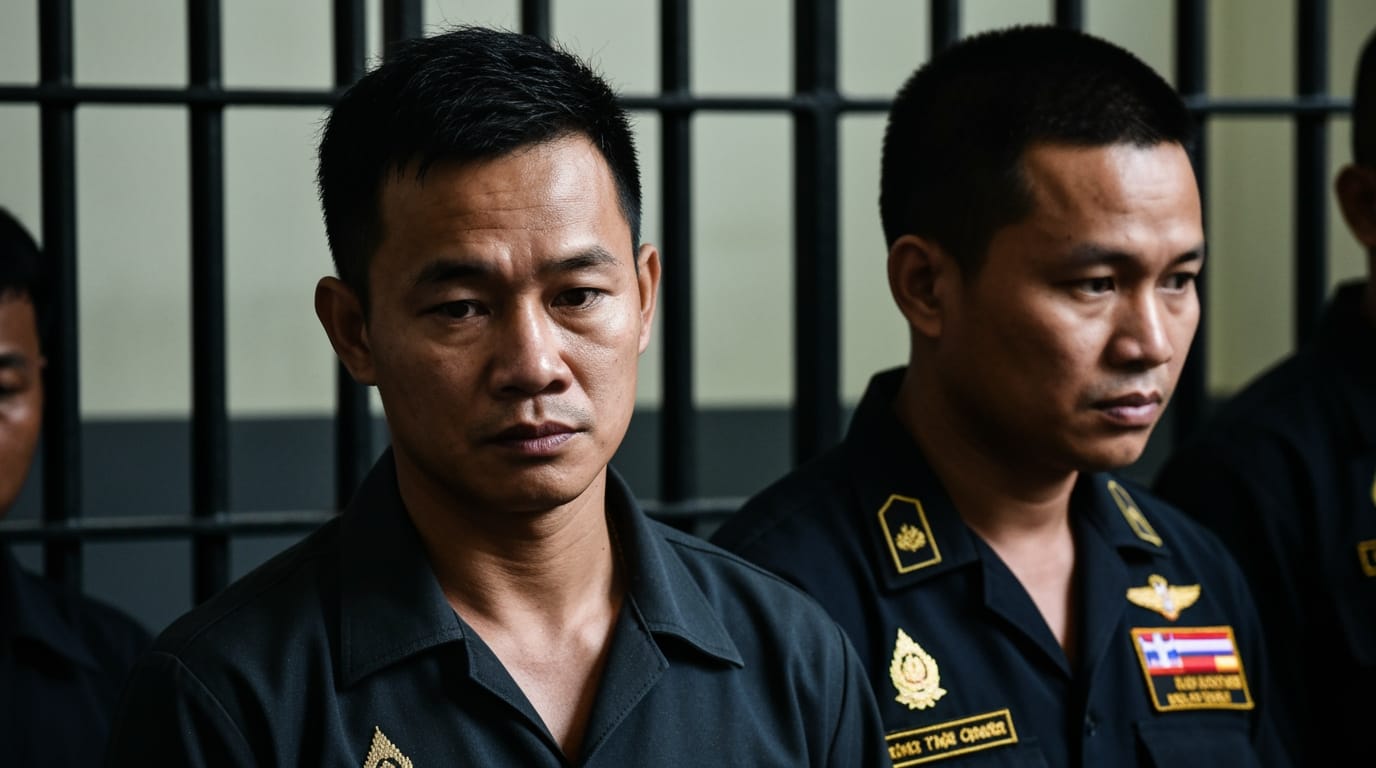
BANGKOK, Thailand – After more than a decade of legal proceedings, a Thai court on Thursday sentenced two Uyghur men to death for their roles in the devastating 2015 bombing of the Erawan Shrine, a brazen attack that killed 20 people and injured more than 120 in the heart of Bangkok's bustling Ratchaprasong intersection. The verdict, delivered by the Bangkok South Criminal Court, marks a significant, albeit delayed, chapter in Thailand's deadliest act of violence in recent history, though the defendants' legal teams have immediately announced intentions to appeal the decision. The ruling comes after a protracted trial fraught with delays and complexities, bringing a measure of closure for the victims and their families, many of whom were foreign tourists caught in the indiscriminate blast.
The Erawan Shrine Attack: A Day of Carnage
The tranquil evening of August 17, 2015, shattered at 6:55 PM ICT when a pipe bomb, packed with three kilograms of TNT, detonated within the grounds of the Erawan Shrine. The Hindu shrine, a revered site popular with both local worshippers and international tourists, particularly from China, became a scene of unimaginable horror. The explosion tore through the crowded area, killing 20 individuals and wounding 125 others, with casualties including citizens from Thailand, China, Malaysia, Hong Kong, Indonesia, and Singapore. The nature of the attack, targeting a popular tourist destination during rush hour, signaled a deliberate intent to maximize casualties and instill widespread fear. Police discovered an electronic circuit suspected to have been used in the attack 30 meters from the scene, and surveillance footage captured a suspect leaving a backpack at the site shortly before the blast.
A Complex Investigation and Arrests
The bombing triggered an extensive nationwide manhunt, culminating in the arrests of two key suspects: Yusufu Mieraili, 36, and Bilal Mohammed, 41, who also used the name Adem Karadag. Mohammed was apprehended on August 29, 2015, in a Bangkok apartment where bomb-making materials and numerous fake Turkish passports were reportedly found. Mieraili was captured just days later, on September 1, 2015, near the Thai-Cambodian border. Authorities identified Mohammed as the "yellow-shirted man" seen in CCTV footage placing the explosive device at the shrine. Mieraili was accused of conspiring in the attack, allegedly handing the bomb to Mohammed and triggering it remotely via a mobile phone. Both men were identified as ethnic Uyghurs from China's Xinjiang region, a detail that would later fuel speculation regarding the attack's motive. Despite initial confessions reported by police, both defendants consistently denied the charges, asserting that any prior admissions were coerced under duress and torture while in detention.
A Decade in the Courts: The Protracted Legal Battle
The trial, one of Thailand's most scrutinized legal cases, commenced in 2016 and was characterized by a series of significant delays and logistical challenges. The proceedings were initially held in a military court before being transferred to the civilian Bangkok South Criminal Court in 2019. Difficulties in securing appropriate translators for the Uyghur defendants, disruptions caused by the COVID-19 pandemic, and the sheer volume of evidence – including hundreds of witnesses and thousands of pages of documentation – contributed to the decade-long judicial process. Despite the defense's claims of innocence and allegations of mistreatment, the four-judge panel found the evidence against Mieraili and Mohammed overwhelming. The court convicted both men on multiple charges, including premeditated murder, attempted murder, and illegal possession of explosives, delivering the maximum penalty available under Thai law: death. Following the verdict, Mieraili reportedly shouted in broken Thai that he rejected the ruling and was innocent, exclaiming, "I mourn for Thailand. I did not receive justice… I ask Thai people to help me." Defense lawyers swiftly announced their intention to appeal, citing several aspects of the case that they believe were not adequately considered by the court.
Unanswered Questions and Geopolitical Echoes
While the verdict delivers a legal conclusion, the exact motive behind the Erawan Shrine bombing has never been officially claimed by any group, leaving lingering questions. Thai authorities initially suggested the attack was retaliation from a human smuggling gang whose operations had been disrupted. However, a widely held belief among security experts and international observers is that the bombing was an act of reprisal for Thailand's forced repatriation of over 100 ethnic Uyghurs to China in July 2015. This theory gained traction given the Erawan Shrine's popularity among Chinese tourists, many of whom were among the casualties, and the Uyghur ethnicity of the convicted men. China, which faces international criticism over its treatment of the Uyghur minority in Xinjiang, welcomed the Thai court's verdict, with a foreign ministry spokesperson stating that the perpetrators were "utterly inhumane and guilty of heinous crimes" and supporting Thailand's severe punishment of them.
The bombing had an immediate and significant impact on Thailand's vital tourism sector, with daily international arrivals falling sharply in the weeks following the attack. Though Thai officials expressed confidence in a quick recovery, the incident underscored the vulnerability of the country's economy to such acts of violence. Beyond the economic repercussions, human rights organizations have voiced concerns over the length and fairness of the trial process, pointing to allegations of torture and violations of due process.
Conclusion
The death sentences handed down to Yusufu Mieraili and Bilal Mohammed close a critical chapter in the legal quest for justice following the horrific 2015 Erawan Shrine bombing. While the verdict offers a definitive legal outcome for the brutal act that claimed 20 lives, the path to finality remains through the appeals process. The case continues to resonate not only for the victims and their families seeking justice but also for its broader implications concerning national security, international relations, and the enduring debate over judicial integrity in complex, politically charged trials. The memory of the Erawan Shrine bombing serves as a stark reminder of the indiscriminate nature of such attacks and the long, arduous road to accountability.


