U.S. Approves Record-Breaking $11.1 Billion Arms Sale to Taiwan Amidst Rising Regional Tensions
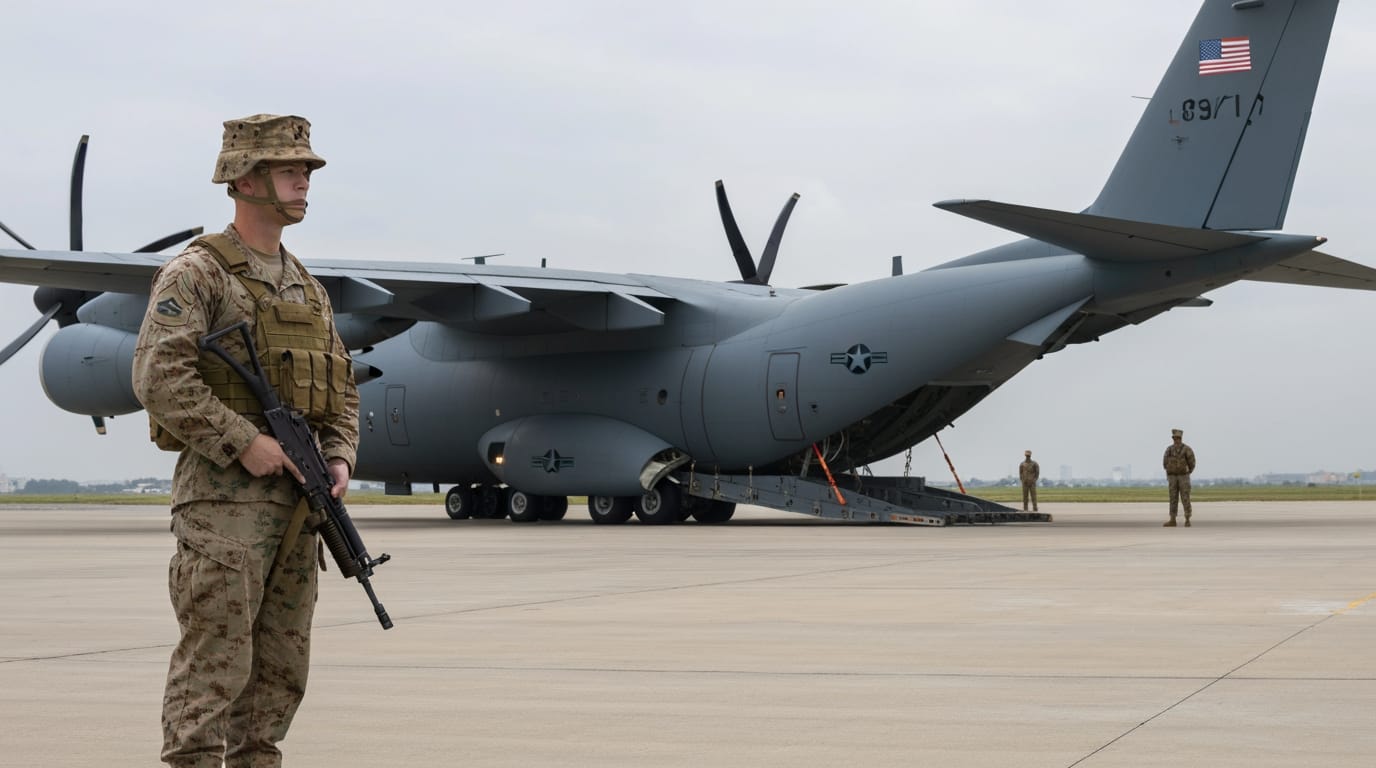
WASHINGTON D.C. – The United States on Wednesday approved its largest-ever arms package for Taiwan, a sweeping $11.1 billion deal intended to significantly bolster the island nation's self-defense capabilities against increasing military and diplomatic pressure from Beijing. The landmark agreement, announced by the U.S. State Department and confirmed by Taiwan's Ministry of National Defense, underscores Washington's enduring commitment to Taiwan's security and is expected to further intensify already strained U.S.-China relations.
A New Chapter in Asymmetric Defense
This historic arms package, totaling over $10 billion, includes crucial systems designed to enhance Taiwan's "asymmetric warfare" strategy, focusing on mobile, smaller, and potent weapons capable of countering a much larger invading force. Key components of the sale feature High Mobility Artillery Rocket Systems (HIMARS), Army Tactical Missile Systems (ATACMS), howitzers, Javelin anti-tank missiles, and advanced Altius loitering munition drones, along with spare parts and related equipment. These systems mirror weaponry previously supplied to Ukraine, signaling a strategic shift towards enhancing Taiwan's long-range strike and deterrence capabilities. The move reinforces Taiwan's efforts to modernize its armed forces and build a credible defensive posture.
The emphasis on asymmetric capabilities reflects a strategic assessment that Taiwan's best defense lies in its ability to inflict substantial costs on any aggressor, thereby deterring an invasion. Previous U.S. arms sales have also focused on these capabilities, including F-16 fighter upgrades, Patriot Advanced Capability-3 (PAC-3) missile systems, Harpoon coastal defense missiles, and Stinger man-portable air-defense systems.
U.S. Strategic Imperatives and the Taiwan Relations Act
The United States justifies these arms sales under the framework of the Taiwan Relations Act of 1979, which legally obligates Washington to provide Taiwan with "defense articles or defense services in such quantity as may be necessary to enable Taiwan to maintain a sufficient self-defense capability." This legislation, enacted after the U.S. derecognized the Republic of China (Taiwan) in favor of the People's Republic of China, ensures that arms of a defensive nature are available to the island.
According to statements from the Pentagon, the arms sales serve U.S. national, economic, and security interests by supporting Taiwan's ongoing efforts to modernize its military and maintain a "credible defensive capability." This policy aims to balance support for Taiwan's de facto independence with avoiding explicit security guarantees, a strategy often referred to as "strategic ambiguity." The U.S. government views these sales as a vital tool to develop substantive relations with Taiwan and intervene in Taiwan Strait security affairs, ultimately demonstrating its willingness and ability to intervene.
Taiwan's Commitment to Self-Reliance
Taiwan's presidential office expressed gratitude for the significant approval, with spokesperson Karen Kuo highlighting the importance of the package for maintaining peace and stability in the Taiwan Strait and the broader Indo-Pacific region. Taiwan has proactively been working to transform its armed forces towards asymmetric warfare, focusing on mobile, smaller, and often cheaper weapons like drones that can deliver a targeted impact.
In addition to acquiring U.S. weaponry, Taiwan is committed to strengthening its own defense resilience. The island is raising its core defense spending, with plans to increase it to over 3% of its GDP by 2025, and is investing in homegrown weapon production, including drones and missile systems. This dual approach of external procurement and domestic development aims to create a robust deterrent against a potential Chinese invasion, which some observers assess the People's Liberation Army (PLA) could be ready to conduct by 2027. Taiwan is prioritizing long-range strike weapons, mobile anti-ship missiles, air and missile defense, and anti-armor weapons.
Beijing's Inevitable Condemnation and Regional Fallout
The approval of this substantial arms sale is expected to elicit a strong and predictable response from Beijing. China views Taiwan as a breakaway province that must be reunified with the mainland, by force if necessary, and consistently condemns U.S. arms sales to the island as a violation of its sovereignty and interference in its internal affairs. Such moves are typically met with diplomatic protests, military signaling, and, at times, retaliatory measures targeting U.S. interests or companies.
China's foreign ministry has previously stated that U.S. arms sales "seriously undermine China's sovereignty and security interests, harm China-U.S. relations and peace and stability across the Taiwan Strait, and send a gravely wrong message to 'Taiwan independence' separatist forces." The heightened tensions contribute to a broader backdrop of strategic rivalry that shapes regional security, trade flows, and investor sentiment across Asia. The sale risks fueling China's domestic defense spending in response to perceived geopolitical risks, potentially further escalating military posturing in the region.
The latest arms package, approved by the U.S. under the current administration, marks a significant escalation in military support for Taiwan. Despite Beijing's objections and the potential for increased friction, the U.S. maintains that these sales are crucial for maintaining peace and stability in the Indo-Pacific by ensuring Taiwan's ability to defend itself.
Conclusion
The approval of this record $11.1 billion arms sale to Taiwan represents a pivotal moment in the complex dynamics of cross-Strait relations and U.S. foreign policy. By providing Taiwan with advanced defensive capabilities, particularly those suited for asymmetric warfare, the United States aims to strengthen deterrence and preserve stability in a highly volatile region. However, this move simultaneously raises the stakes, drawing sharp condemnation from China and underscoring the ongoing geopolitical tensions surrounding Taiwan's future. As Taiwan continues to invest in its own defense and the U.S. reaffirms its commitment through military assistance, the intricate balance of power in the Taiwan Strait remains a critical focus for international security.


