U.S. Defense Secretary Fires Top Military Envoy to NATO Amid Growing Tensions
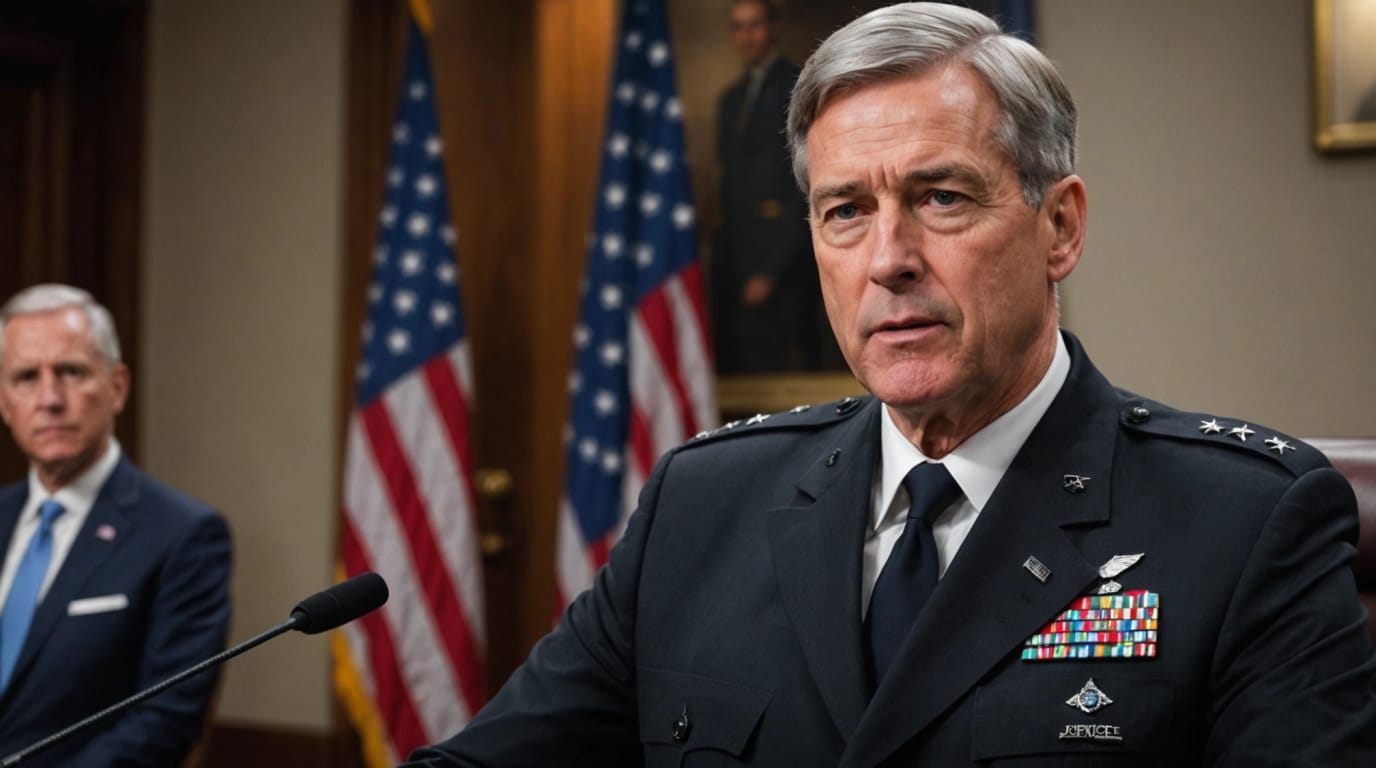
Defense Secretary Pete Hegseth has abruptly dismissed Navy Vice Adm. Shoshana Chatfield from her position as the U.S. military representative to the North Atlantic Treaty Organization (NATO), raising concerns about the Trump administration's commitment to the alliance and adding to a growing list of high-level military officials ousted in recent months. The Pentagon cited a "loss of confidence in her ability to lead" as the reason for the dismissal, but provided no further explanation, fueling speculation about the motives behind the decision.
Sudden Dismissal Shakes NATO
Chatfield's removal, announced Tuesday by Pentagon spokesman Sean Parnell, comes at a sensitive time for the transatlantic alliance. Defense ministers from across NATO are preparing to meet to discuss strengthening European defense efforts and coordinating military aid to Ukraine. Hegseth himself will not be attending the meeting in person, though he may participate virtually. The timing of Chatfield's firing, coupled with Hegseth's absence, has amplified anxieties among some NATO members about the U.S.'s dedication to the collective security agreement.
Two NATO officials and a diplomat from a NATO country, speaking on condition of anonymity, confirmed Chatfield's dismissal but did not provide a reason. The lack of transparency surrounding the decision has led to increased uncertainty about America's role in the nearly eight-decade alliance.
"Loss of Confidence"
The Pentagon's explanation of "loss of confidence" is a common euphemism used by the military to avoid disclosing specific reasons for relieving commanding officers and senior enlisted leaders. It can encompass a wide range of issues, including work-related problems and personal matters. However, the lack of detail has prompted speculation that Chatfield's dismissal may be politically motivated.
Chatfield, a career Navy helicopter pilot, had served as the U.S. representative to the NATO Military Committee, a key body responsible for providing military advice to the alliance's political decision-making bodies. Her removal leaves a significant void in the U.S. representation at NATO headquarters in Brussels.
Political Undercurrents
Chatfield's dismissal follows a pattern of firings of senior military officers and intelligence officials by the Trump administration. Just last week, President Trump terminated Gen. Timothy Haugh, the head of the National Security Agency and U.S. Cyber Command, without providing a reason. In February, Air Force Gen. C.Q. Brown and Chief of Naval Operations Adm. Lisa Franchetti were also dismissed without explanation.
Some observers have pointed to a potential political motivation behind Chatfield's firing. In 2023, conservative media outlets criticized Chatfield for comments she made about diversity when she became president of the Naval War College in 2019. "I want to see members of this team offer each other respect for differences, for diversity, for the dialogue from which ideas and collaboration emerge," she said at the time. Defense Secretary Hegseth has previously denounced diversity efforts in the military as divisive.
Furthermore, a right-wing political group, the American Accountability Foundation, had called for Chatfield's dismissal in a letter to Secretary Hegseth last December. The organization, which describes its work as advancing conservative messaging, had labeled Chatfield as "woke."
Reactions and Implications
The dismissal has drawn criticism from Democratic lawmakers. Representative Adam Smith stated that "our country is less safe because of President Trump's actions," while Senator Jack Reed called the move "unjustified" and "disgraceful." Reed also expressed concern over the number of senior military leaders who have been fired without explanation in recent months. "In less than three months, President Trump has fired 10 generals and admirals without explanation, including our most experienced combat leaders," Reed said.
The shakeup in U.S. military leadership comes as Europe and the NATO alliance consider a new coalition in which Washington plays a smaller role. The Trump administration's rhetoric and policies toward NATO allies, including Vice President JD Vance's criticisms of European cultural issues and Trump's insistence that the U.S. should own Greenland, have strained relations and fueled doubts about the U.S.'s commitment to the alliance. The recent firings of top military officials have only exacerbated these concerns.
Uncertainty and Instability
Vice Adm. Shoshana Chatfield's sudden dismissal as the U.S. military representative to NATO underscores the growing uncertainty surrounding the U.S.'s role in the alliance. The lack of transparency surrounding the decision, coupled with a series of other high-profile firings, has raised questions about the Trump administration's motives and its commitment to the transatlantic partnership. As NATO faces new challenges, including the ongoing conflict in Ukraine and rising tensions with Russia, the instability within the U.S. military leadership could have significant implications for the alliance's ability to respond effectively.


