U.S. Escalates Deportation Strategy, Rerouting Nearly 2,300 Mexican Migrants Through Guatemala

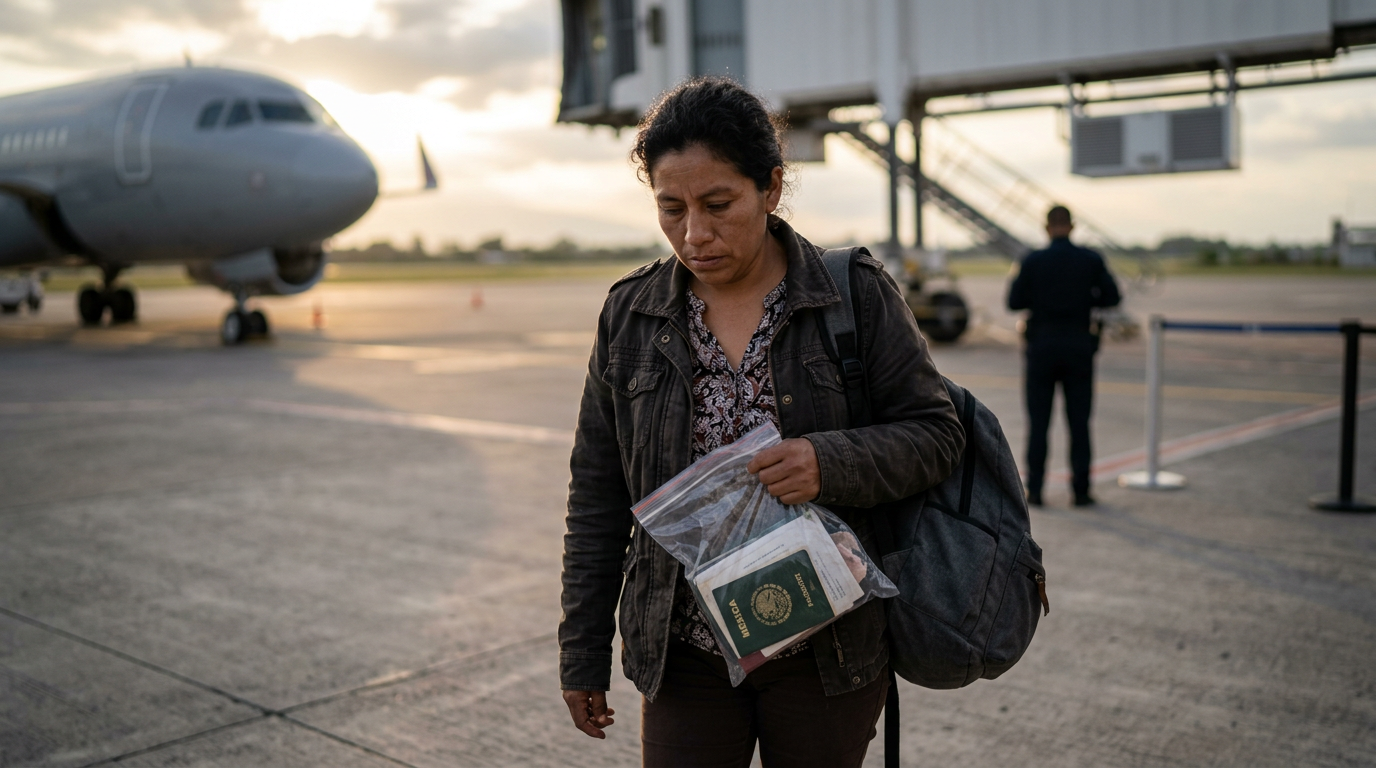
GUATEMALA CITY – In a significant shift in U.S. immigration enforcement, nearly 2,300 Mexican nationals have been deported from the United States to Guatemala this year, marking a notable departure from standard repatriation protocols. This new strategy, implemented by the Trump administration during its second term, has seen Mexican deportees flown to Central American nations like Guatemala and Honduras as a "transit stopover" before being transported to southern Mexico, a tactic that has drawn sharp criticism from Mexican officials and humanitarian organizations alike.
A Novel Approach to Deterring Migration
The deportation of Mexican citizens to Guatemala and Honduras represents a substantial escalation in the U.S. government's efforts to curb irregular migration. Historically, Mexicans apprehended in the United States were almost exclusively returned directly to their home country via land or air. However, since April of this year, official data indicates that 2,284 Mexican nationals have arrived in Guatemala after being deported from the U.S., with dozens more sent to Honduras.
This change in procedure is described by U.S. Department of Homeland Security (DHS) officials as part of a broader initiative to execute "the largest deportation operation in history," as promised by President Trump. The stated objective is to deter re-entry attempts by moving deported individuals farther from the U.S.-Mexico border, thereby making subsequent illegal crossings more challenging. This strategy also comes amid increased security demands from the U.S. on Mexico and follows Mexican protests regarding the deaths of 17 Mexican citizens in U.S. immigration custody.
Civil organizations suggest that this new approach could also be a means of exerting pressure on the Mexican government. The practice of third-country deportations, where migrants are sent to a nation other than their country of citizenship, is typically reserved for instances where the home country rejects them or conditions are deemed unsafe. However, Mexico has consistently expressed its willingness to accept the direct return of all its citizens.
Guatemala's Role and Mexico's Strong Objections
Guatemalan President Bernardo Arévalo confirmed the arrival of the Mexican deportees, specifying that they are treated as individuals in "transit." These individuals are arriving on planes that also carry Guatemalan returnees and are processed for transfer to Mexican territory within 24 hours of their arrival in Guatemala, often by bus to southern Mexico, coordinated with Mexican immigration authorities. President Arévalo clarified that Guatemala is not functioning as a "safe third country" for these individuals and that they are not granted refugee or asylum status during their brief stay. The logistical costs associated with these transfers are reportedly covered by the Mexican government or, in some cases, by U.S. funding.
Despite Guatemala's participation in facilitating these transits, Mexico has voiced strong objections to the practice. The Mexican Foreign Ministry has explicitly stated its rejection of the deportation of Mexican nationals to third countries, emphasizing that no such agreement is in place. Mexico maintains that every Mexican citizen possesses the inherent right to return to their own country and is taking steps to ensure the "safe and dignified" repatriation of its citizens. The significant increase in these third-country deportations, particularly since early 2026, marks a considerable change from 2025, when Guatemala received only 15 Mexican deportees.
Humanitarian Concerns and Regional Strain
The expansion of third-country deportations has ignited serious humanitarian concerns among rights advocates. Organizations warn that these transfers could potentially endanger Mexican migrants, undermine their ability to pursue asylum claims, and circumvent existing court orders. Migrants are being sent to countries like Guatemala and Honduras where they often lack legal status, family connections, or any prior residency, leaving them in precarious situations. The arbitrary nature of being told "just get on the flight," without clear information about their destination, adds to the uncertainty and potential for rights violations.
This policy contributes to a broader trend of increasingly restrictive U.S. immigration measures that have reshaped migration patterns across Central America. Since 2025, efforts to reduce irregular northward movement through accelerated deportations and limited asylum pathways have turned Central American nations into regions of "prolonged wait, return, and long-term stranded mobility." This situation is further complicated by reduced humanitarian funding, which strains the capacity of local governments and aid organizations to support the growing number of deportees.
The U.S. Department of Homeland Security, in its limited public statements, has maintained that the administration is "utilizing all lawful options" to implement its immigration policies. However, critics argue that this approach prioritizes punitive measures over humanitarian considerations, fostering "terror and fear in migrants at all costs."
Looking Ahead: A Complex and Evolving Landscape
The unprecedented routing of Mexican deportees through Guatemala and Honduras highlights the complex and evolving nature of immigration policies in the Americas. While the U.S. aims to deter future migration, this strategy risks straining diplomatic relations with Mexico and places an additional burden on Central American nations already grappling with their own migration challenges. The Mexican government's firm stance against these third-country deportations suggests ongoing friction and a need for continued dialogue among the affected nations.
The practice has created a complex web of logistical and humanitarian challenges, raising questions about the long-term implications for migrant rights and regional stability. As the U.S. continues its aggressive enforcement strategy, the international community and human rights groups will likely maintain close scrutiny on the treatment and ultimate fate of those caught in the crosscurrents of these rapidly changing deportation policies. The outcome of this new approach will undoubtedly shape the future landscape of migration in the Western Hemisphere, demanding comprehensive and compassionate solutions from all parties involved.
Related Articles


Ratko Mladić, "Butcher of Bosnia" and Convicted War Criminal, Dies at 84
THE HAGUE, Netherlands – Ratko Mladić, the former Bosnian Serb military commander known as the "Butcher of Bosnia" and convicted of genocide, war crimes, and crimes against humanity, has died at the age of 84. Serbian...


Long-Awaited 9/11 Mastermind Trial Set for 2028, Decades After Attacks
GUANTANAMO BAY, Cuba – Nearly a quarter-century after the devastating terror attacks of September 11, 2001, a military judge has finally set a trial date for Khalid Sheikh Mohammed, the alleged mastermind behind the...