U.S. Expands Digital Scrutiny: Tourists Face Mandatory Social Media Disclosure
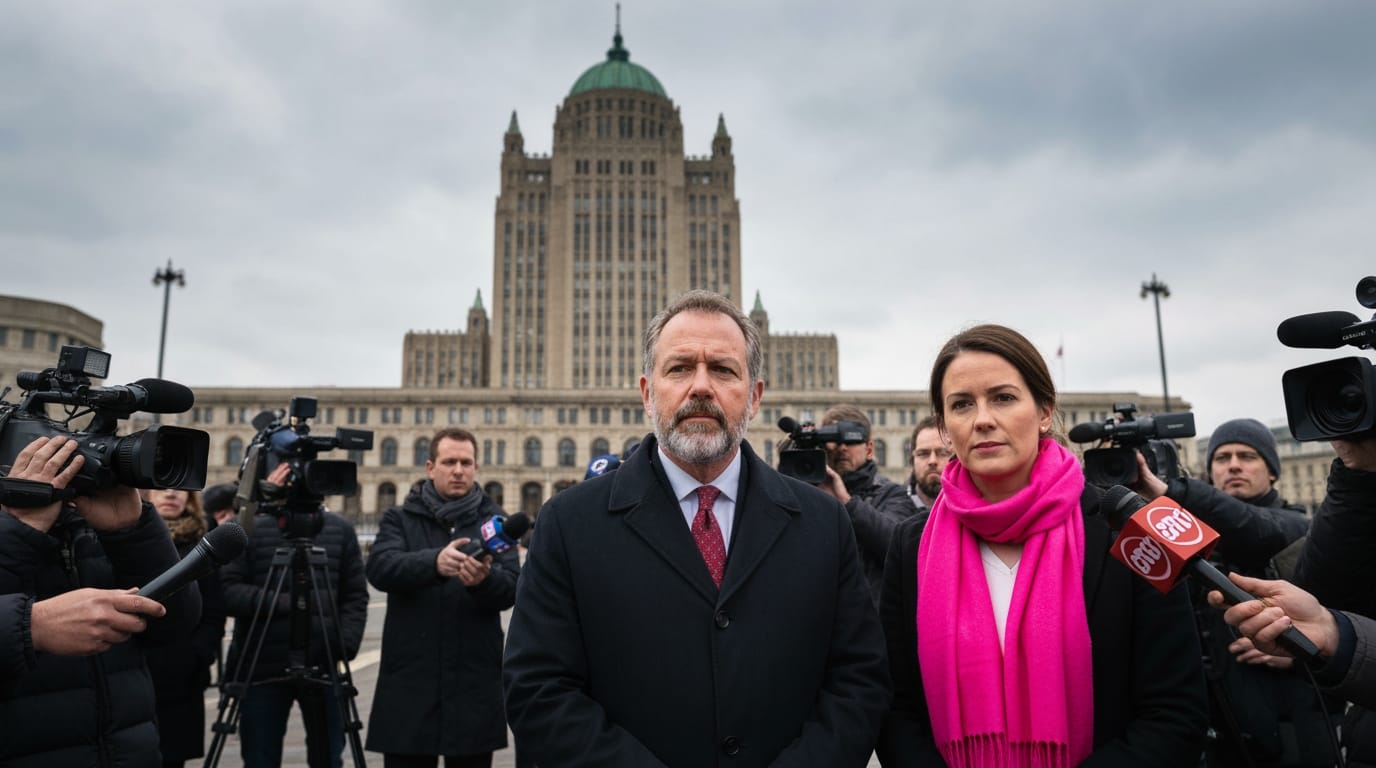
WASHINGTON D.C. – International travelers seeking entry into the United States, including those from traditionally visa-exempt nations, will soon be required to disclose five years of their social media history as part of a sweeping new proposal by U.S. Customs and Border Protection (CBP). The measure, published in the Federal Register on Wednesday, December 10, 2025, marks a significant expansion of digital vetting policies and has ignited a contentious debate over privacy, national security, and the future of international tourism.
The proposed rule, slated to become a mandatory component of the Electronic System for Travel Authorization (ESTA) application process, would affect visitors from approximately 40 countries under the Visa Waiver Program (VWP), encompassing a broad range of nations including those in Europe, Australia, Japan, and South Korea. This move elevates previously optional or visa-specific social media inquiries to a universal requirement for millions of short-term visitors, intensifying border screening to an unprecedented level.
Broadening the Digital Net
Under the new proposal, ESTA applicants will be mandated to provide social media usernames and handles from platforms used over the past five years. The data collection extends beyond social media, demanding previous email addresses (up to 10 years for some), phone numbers from the last five years, IP addresses, metadata from electronically submitted photos, and personal details of family members, including names, addresses, phone numbers, dates, and places of birth. Furthermore, the CBP plans to integrate advanced biometric checks, such as mandatory "selfies" for identity verification, and potentially collect fingerprints, DNA, and iris scan data as part of the ESTA application.
CBP justifies these enhanced measures as essential to bolster national security and strengthen protections against foreign threats, citing Executive Order 14161, signed in January 2025. The agency states its intent to ensure that all foreign nationals are vetted and screened to the maximum degree possible. Historically, social media screening has seen a gradual expansion since 2017, initially targeting a subset of visa applicants. By 2019, nearly all immigrant and nonimmigrant visa applicants, totaling around 15 million individuals annually, were required to disclose their social media identifiers. More recently, in June 2025, the State Department directed student visa applicants to make their social media profiles public, a requirement further extended to H-1B high-skilled worker visa applicants in December 2025. The current proposal extends this rigorous scrutiny to the much larger population of VWP travelers.
Concerns Over Privacy and Free Expression
The proposed mandatory disclosure has drawn immediate and strong criticism from privacy advocates and civil liberties organizations. Groups such as the American Civil Liberties Union (ACLU) have consistently voiced concerns that such extensive data collection infringes upon fundamental rights to free speech and association. Critics argue that the policy could lead to widespread self-censorship among individuals, who may fear that their online expressions, including humor, satire, or political commentary, could be misinterpreted by border officials lacking cultural context or nuance. This "chilling effect" could deter international dialogue and interaction.
A significant worry is the potential for arbitrary denials of entry or discriminatory visa decisions based on subjective interpretations of social media content. While U.S. citizens retain certain rights at the border, non-citizens face a more complex landscape, where refusal to comply with demands for digital information, such as unlocking devices, can result in denial of entry or visa revocation. The lack of clear guidelines on how this vast amount of data will be stored, shared across agencies, and secured against potential misuse also raises substantial concerns regarding data protection and individual privacy.
Economic and Reputational Repercussions
The travel and tourism industry has expressed alarm over the potential negative impact of these new requirements. Industry representatives warn of a "chilling effect" on international travel to the U.S., with some predicting a measurable reduction in leisure tourism. Surveys suggest that travelers are increasingly hesitant to provide years of personal digital history for a short visit, fearing the intrusiveness and potential for complications.
The timing of this proposal is particularly noteworthy, coinciding with major international events that the U.S. is set to co-host, including the 2026 World Cup and the 2028 Olympic Games. These events are expected to draw unprecedented numbers of foreign visitors, and the new screening requirements could complicate entry for millions, potentially hindering the economic and cultural benefits associated with hosting such global spectacles. Reports indicate that the U.S. has already experienced a decline in foreign visitors and travel revenue in recent years, with some states and cities reporting significant drops in tourism. Critics suggest that these policies could further damage America's global reputation as a welcoming destination, making it less attractive compared to other countries.
The Path Forward
The CBP's proposal is currently open for a 60-day public comment period, which is expected to close in February 2026. Following this period, the Department of Homeland Security will review the feedback and may make revisions before a final ruling is expected in mid-2026. If approved, the earliest possible implementation for all affected travelers is projected for late 2026.
While border security remains a legitimate governmental interest, the expanded social media review for millions of visitors introduces significant complexities and the risk of "false positives" due to the inherent challenges of interpreting diverse online content. As the debate unfolds, the balance between national security imperatives and individual privacy rights, as well as the economic implications for the tourism sector, will remain at the forefront. The outcome of this proposal will undoubtedly reshape the experience of international travel to the United States for years to come.


