U.S. Issues Broad Flight Advisory Over Latin America Amid Heightened Military Activity and Geopolitical Tensions
The United States Federal Aviation Administration (FAA) has issued a wide-ranging aviation safety warning, advising U.S. airlines to exercise extreme caution when operating over significant portions of Latin America and the eastern Pacific Ocean. The advisory, which took effect on Friday, January 16, 2026, cites the potential for "military activity" and Global Navigation Satellite System (GNSS) interference, painting a stark picture of escalating geopolitical tensions in the region. This sweeping notification arrives just weeks after a U.S. special forces operation led to the capture of Venezuelan President Nicolás Maduro and his wife, Cilia Flores, on January 3, 2026, and amidst renewed threats of U.S. military action against drug cartels in Mexico.
The FAA's series of Notices to Airmen (NOTAMs) covers a vast area, including airspace over Mexico, several Central American nations, Panama, Colombia, Ecuador, and specific Mazatlan Oceanic Flight Regions, as well as unassigned sections of the eastern Pacific Ocean. These advisories emphasize that potential risks exist for aircraft at all altitudes, encompassing overflight, arrival, and departure phases of flight. The warnings are set to remain in effect for 60 days, until at least March 17, 2026, signaling a sustained period of elevated concern for aviation safety in the region.
Details of the Advisory and Affected Airspace
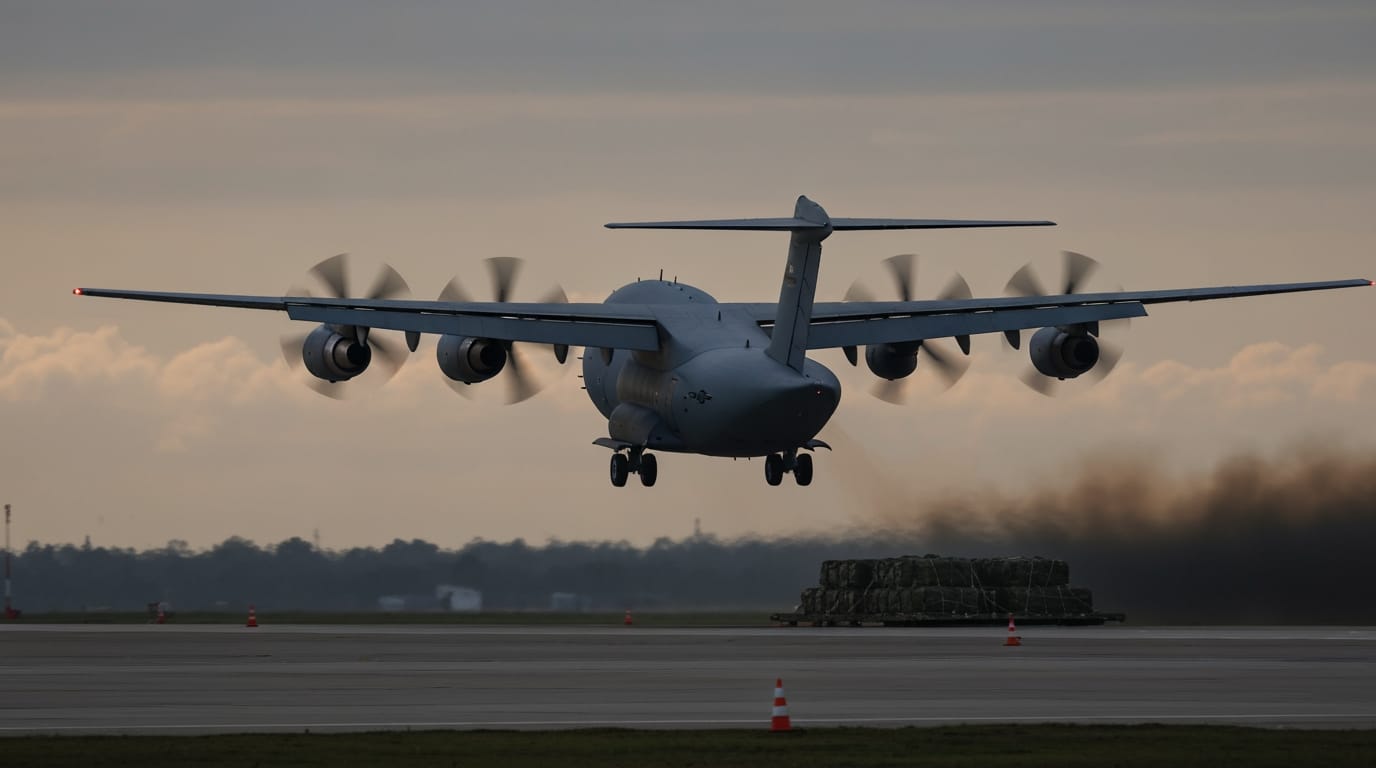
The FAA's advisory specifically highlights the risk of "potential military activity" and GPS signal interference. According to FAA communications, U.S. military aircraft may operate in affected areas at or below cruising altitudes commonly used by civil aviation, often with little to no prior notice and potentially without transponders. This operational posture, indicative of ongoing military maneuvers, presents a unique challenge for civilian air traffic management. Reports of intermittent GNSS interference in the eastern Pacific Ocean further complicate navigation, with effects that could persist for the duration of a flight and impact subsequent flights. Airlines have been urged to adjust their routes or implement additional security measures when traversing the designated zones.
The comprehensive nature of the NOTAMs indicates a broad scope of potential military operations. While not explicitly detailing the nature or source of all military activities, the FAA’s warning extends beyond specific hotspots, covering broad flight information regions across Latin America and into oceanic airspace. This proactive measure by U.S. aviation authorities aligns with their routine practice of issuing advisories when geopolitical or military developments pose potential risks to civilian aviation.
Geopolitical Underpinnings and Recent Operations
The FAA's enhanced caution directly correlates with a significant escalation of U.S. military engagement and geopolitical tensions in Latin America. A pivotal event preceding the advisory was the U.S. special forces raid and airstrike in Venezuela on January 3, 2026, which led to the capture of President Nicolás Maduro and his wife, Cilia Flores. This operation, reportedly dubbed "Operation Absolute Resolve," aimed to apprehend Maduro to face trial in New York on drug-trafficking and other charges. This bold move generated significant regional instability and prompted an immediate response from the FAA, which on January 3, 2026, implemented an emergency ban on all U.S.-registered aircraft from operating in Venezuelan airspace, citing "safety-of-flight risks associated with ongoing military activity" in the Maiquetia Flight Information Region.
Beyond Venezuela, President Donald Trump has publicly articulated intentions for potential military action against drug cartels in Mexico. Trump's statements, including claims that drug cartels are "running Mexico" and that the U.S. would begin "hitting land" targets, underscore a willingness to deploy military force within a neighboring country. These remarks, combined with a significant U.S. military buildup in the southern Caribbean, contribute to the volatile environment necessitating the FAA's broad flight advisory.
Regional Responses and Aviation Impact
The extensive flight advisory has prompted varied responses from affected Latin American nations. Colombian aviation authorities acknowledged the FAA's NOTAM, stating they are reviewing technical information. However, they reported no immediate visible effects on air navigation and affirmed that normal air operations within Colombian-managed airspace or along routes used by national airlines remained unaffected. Similarly, Mexico's Secretariat of Infrastructure, Communications and Transportation characterized the FAA notice as purely preventive, emphasizing that it does not constitute a prohibition and carries no operational implications or restrictions for Mexico or its airlines. Mexican officials further clarified that the advisory applies exclusively to U.S. civil aviation operators.
While these regional assessments suggest a degree of normalcy for local operators, U.S. airlines and those flying U.S.-registered aircraft are directly impacted. The previous flight ban over Venezuelan airspace, for instance, significantly altered flight paths, increasing fuel costs by 15-20% for U.S. carriers and extending Latin American routes by hours. Although the current advisory is a "caution" rather than an outright "prohibition" for most of the affected area, the recommendation to exercise caution and adjust routes can lead to similar operational burdens and increased costs for U.S. carriers. The potential for GNSS interference also adds a layer of complexity and risk, demanding enhanced navigational vigilance from flight crews.
Conclusion
The FAA's recent flight advisory over broad swathes of Latin America underscores a period of heightened military activity and geopolitical flux in the Western Hemisphere. Stemming from the dramatic capture of Venezuelan President Maduro and the U.S. administration's stated intent to combat Mexican cartels with military force, these advisories serve as a critical safety measure for U.S. civil aviation. While regional aviation authorities maintain that local operations are largely unaffected, the requirement for U.S. airlines to exercise extreme caution, coupled with the threat of GPS interference and the presence of unannounced military aircraft, signals an operational environment that demands constant vigilance. As the 60-day advisory period unfolds, the aviation industry will closely monitor developments, adapting to an evolving security landscape shaped by dynamic geopolitical realities.


