U.S. Mandates Overseas Green Card Applications, Upending Decades of Policy
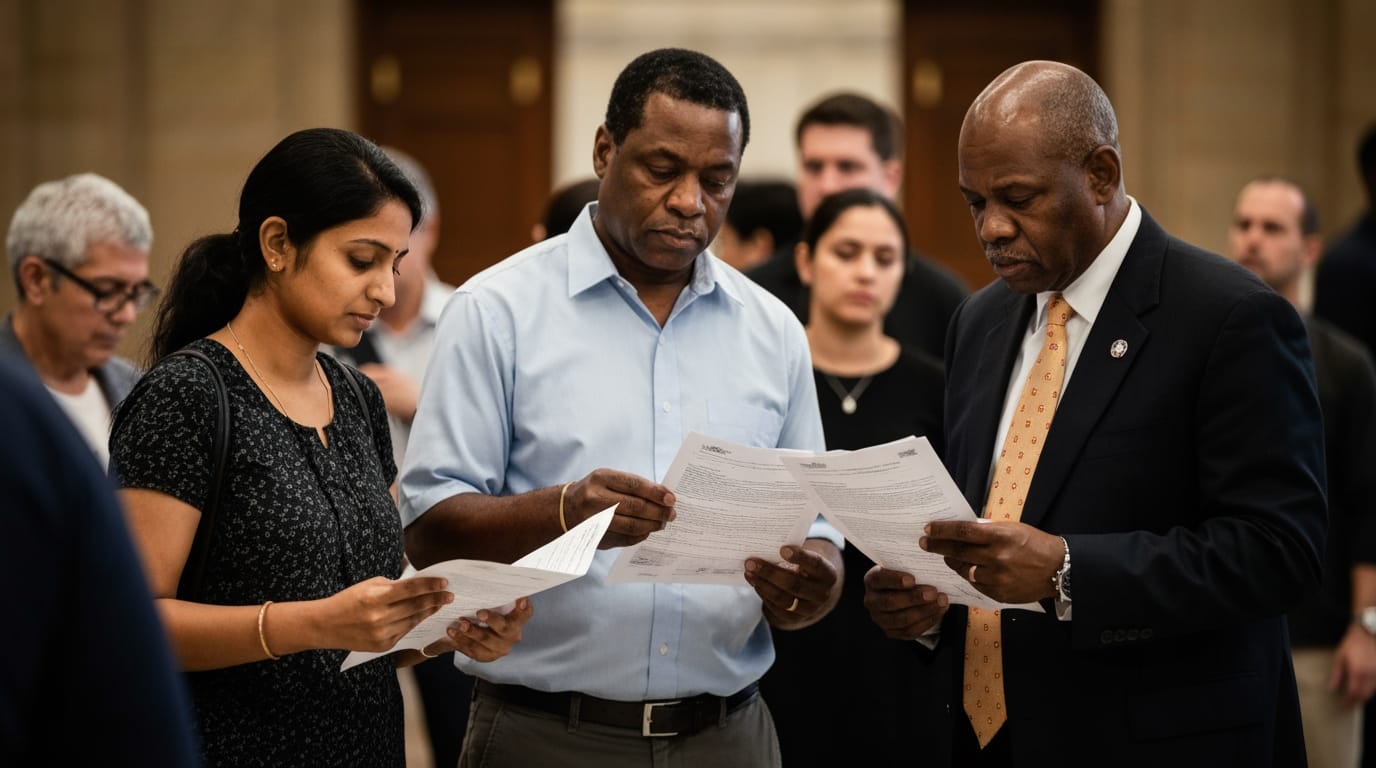
Washington D.C. — In a dramatic reversal of long-standing immigration practice, the U.S. Citizenship and Immigration Services (USCIS) announced Friday that most foreign nationals seeking permanent residency from within the United States will now be required to leave the country and apply through consular processing abroad. This significant policy shift, unveiled by the Trump administration, marks an end to a more than 60-year precedent allowing many individuals to adjust their immigration status without departing U.S. soil, triggering immediate concern among immigration advocates, attorneys, and hundreds of thousands of applicants.
A Fundamental Shift in Green Card Processing
The new directive, outlined in a policy memo by USCIS, fundamentally alters the pathway to obtaining a green card for a substantial portion of applicants. Historically, individuals in the U.S. on legal temporary visas—including students, temporary workers, and even spouses of U.S. citizens—have had the option to apply for lawful permanent residency through a process known as "adjustment of status." This allowed them to remain in the country, often with work authorization and the ability to travel, while their applications were adjudicated. Under the newly announced policy, this "adjustment of status" will largely be limited to "extraordinary circumstances," with the standard path reverting to "consular processing" through U.S. embassies or consulates in their home countries.
For over half a century, the ability to adjust status domestically served as a critical mechanism for maintaining family unity and employment stability throughout the often-lengthy application process. The change is expected to impact a wide array of individuals, given that federal data indicates more than half of the approximately 1 million annual green card recipients are already living in the U.S. when they apply. This shift represents a hardening of immigration policy, emphasizing a return to a perceived "original intent" of federal immigration law, where nonimmigrants are expected to depart the U.S. upon the expiration of their temporary visas.
The Administration's Rationale and Intent
The Department of Homeland Security (DHS), which oversees USCIS, articulated the rationale behind the policy change, asserting it would allow the immigration system "to function as the law intended instead of incentivizing loopholes." USCIS spokesman Zach Kahler echoed this sentiment, stating, "We're returning to the original intent of the law to ensure aliens navigate our nation's immigration system properly." He further clarified the administration's stance, noting that "nonimmigrants, like students, temporary workers, or people on tourist visas, come to the U.S. for a short time and for a specific purpose. Our system is designed for them to leave when their visit is over. Their visit should not function as the first step in the Green Card process."
The administration posits that requiring individuals to apply from their home countries will reduce the need to track and remove those who might otherwise "slip into the shadows" if their residency applications are denied while they are still in the U.S. Furthermore, USCIS suggests that handling the majority of these cases through the State Department at consular offices abroad will free up limited USCIS resources, allowing the agency to focus on other priorities such as visas for victims of violent crime, human trafficking, and naturalization applications. The policy memo instructs USCIS officers to consider "adjustment of status" as an "extraordinary, discretionary relief" and an "act of administrative grace," not an entitlement.
Widespread Implications for Applicants and Families
The immediate implications of this policy are profound and far-reaching for hundreds of thousands of individuals and their families. Many green card applicants currently in the U.S. will likely be forced to leave jobs, homes, and relationships for an indefinite period while their cases are processed overseas. This move has been widely criticized by aid groups and immigration attorneys who warn of potential indefinite family separation. The consular processing route, while a standard for those outside the U.S., generally does not provide work authorization during the waiting period, creating significant economic hardship and uncertainty.
A major concern revolves around a potential "Catch-22" scenario for applicants from countries subject to existing U.S. travel bans or where visa processing has been paused. If forced to return home, these individuals could find themselves unable to complete the consular processing or even barred from re-entry, effectively locking them out of the U.S. permanently despite having legal status prior to their departure. Experts and advocates highlight the severe disruption this could cause, especially for mixed-status families across the nation.
Navigating "Extraordinary Circumstances" and Criticisms
While the new policy includes provisions for "extraordinary circumstances" that might still allow for in-country adjustment of status, the criteria for these exceptions remain largely undefined. USCIS has vaguely indicated that individuals providing an "economic benefit" or serving the "national interest" might qualify. However, specifics, including whether skilled workers on H-1B visas would meet these criteria, have not been clarified, sowing further confusion and anxiety among the affected populations. Refugees, however, are generally expected to be exempt from this new requirement.
The policy has drawn sharp condemnation from various quarters. Immigration lawyers and advocacy organizations argue that there is no true policy reason or security issue underpinning the change, pointing out that individuals applying for green cards from within the U.S. have already undergone vetting for their temporary visas. Critics, including an analyst with the Cato Institute, suggest that the move is part of a broader administrative effort to curtail legal migration and reduce the number of permanent residents. Legal challenges are anticipated, as opponents prepare to contest the policy's legality and potential humanitarian impact. Organizations like World Relief have articulated concerns that the policy will "effectively create an indefinite separation of families."
An Evolving Immigration Landscape
This latest directive from the Trump administration represents a significant tightening of U.S. immigration policy, extending stricter controls beyond undocumented migration to impact established legal pathways to permanent residency. The shift from "adjustment of status" to predominantly "consular processing" places a new burden on hundreds of thousands of applicants, forcing them to navigate a more complex, costly, and potentially isolating process from outside the United States. While the administration frames the change as a return to legal intent and increased efficiency, its practical implications are expected to be substantial, reshaping the future landscape of legal immigration and challenging the ability of many to build lives and futures within U.S. borders. The full scope of its implementation, including clarification on exemptions and its impact on pending cases, remains an unfolding story.


