U.S. Military Strike in Pacific Kills Four Aboard Alleged Drug Vessel, Intensifying Scrutiny of Counter-Narcotics Campaign
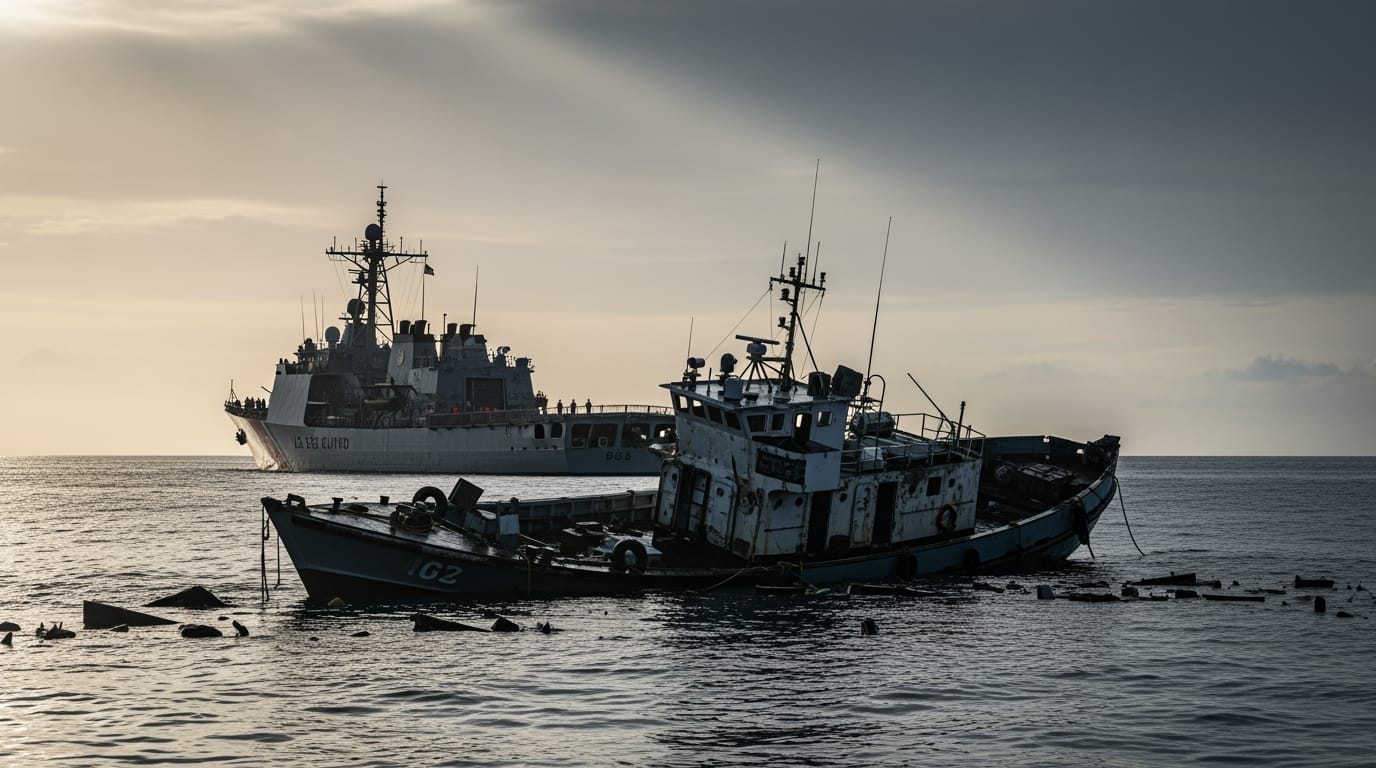
Eastern Pacific – Four individuals were killed Thursday in a U.S. military strike on a vessel in the Eastern Pacific, identified by authorities as a suspected drug-trafficking boat operated by a "Designated Terrorist Organization." The incident marks the latest in an aggressive and increasingly controversial counter-narcotics campaign that has claimed dozens of lives and sparked intense debate over the rules of engagement and international law.
The strike, announced by U.S. Southern Command, comes amidst mounting bipartisan criticism in Washington regarding the legality and conduct of similar operations, particularly following a separate incident in September where a follow-up attack allegedly killed survivors of an initial strike. Lawmakers are currently probing that earlier event, fueling a broader examination of the Trump administration's expansive use of military force against suspected drug smugglers in international waters.
Latest Operation Adds to Escalating Death Toll
According to U.S. Southern Command, Joint Task Force Southern Spear conducted the lethal kinetic strike at the direction of Defense Secretary Pete Hegseth. Intelligence reportedly confirmed the vessel was carrying illicit narcotics and transiting a known trafficking route in the Eastern Pacific. A 21-second video released by Southern Command on social media platform X showed the small boat speeding across the water before being engulfed by a large explosion, followed by images of the craft in flames and billowing smoke. The four individuals killed were described by the command as "male narco-terrorists."
This recent strike is the 22nd such operation since the campaign, dubbed "Operation Southern Spear," began in September 2025. The total death toll from these military actions against alleged drug boats in the Caribbean Sea and Eastern Pacific now stands at least 87 people across 23 vessels. These operations have seen the deployment of significant U.S. military assets, including warships, fighter jets, and submarines, in an effort the administration claims is aimed at disrupting the flow of illegal drugs into the United States.
Congressional Outcry Over Rules of Engagement
The increased frequency and lethality of these strikes have drawn significant attention, particularly from U.S. lawmakers. Much of the current congressional scrutiny stems from a September 2 incident in the Caribbean, where reports indicated that U.S. forces conducted a second strike on an already damaged vessel, allegedly killing two survivors.
On the same day as the latest Pacific strike, Admiral Frank "Mitch" Bradley, who oversees elements of Operation Southern Spear, briefed lawmakers in a series of closed-door classified sessions on Capitol Hill. These briefings included video footage of the controversial September 2 incident, which reportedly showed two individuals in "clear distress" clinging to the wreckage before the follow-up strike. Democratic Representative Jim Himes described the footage as "one of the most troubling things" he had witnessed during his time in public service, highlighting the ethical and legal questions surrounding the killing of shipwrecked sailors. Conversely, Republican lawmakers like Senator Tom Cotton defended the September operation, asserting its lawfulness and suggesting survivors were attempting to salvage drugs.
Legal experts have voiced concerns that killing survivors of a strike at sea, particularly if they no longer pose an imminent threat, could violate the laws of military warfare and potentially constitute war crimes or murder under international and U.S. law. While the White House confirmed authorization for a second strike in September, it has denied ordering the intentional killing of all aboard, maintaining that operational responsibility rests with commanders like Admiral Bradley and that the actions were "well within his authority and the law." Defense Secretary Hegseth has also faced increasing scrutiny, with some Democratic lawmakers reportedly calling for his resignation and articles of impeachment being introduced.
Administration's Firm Stance on "Narco-Terrorism"
The Trump administration has consistently framed these operations as a vital component of its broader fight against international drug trafficking and what it terms "narco-terrorism." President Donald Trump and Defense Secretary Pete Hegseth have repeatedly asserted that the targeted vessels are operated by designated terrorist organizations, such as Venezuela's Tren de Aragua gang, and are carrying large quantities of illicit narcotics destined for the United States. The administration views these aggressive strikes as a necessary measure to cut off drug supplies and apply pressure on regimes, including that of Venezuelan leader Nicolás Maduro, who has been accused by the U.S. of being a "drug lord."
The U.S. military's Southern Command states that "confirmed intelligence" precedes each strike, identifying vessels on known narco-trafficking routes. However, critics argue that the administration has provided insufficient public evidence to substantiate these claims, leading to further calls for transparency.
Unresolved Questions and Future Implications
The latest strike in the Eastern Pacific underscores the Trump administration's unwavering commitment to its assertive counter-narcotics strategy. However, it simultaneously amplifies the contentious debate surrounding the tactics employed and their adherence to international legal norms. The escalating death toll and the ongoing congressional investigation into the September incident suggest that the legal and ethical ramifications of Operation Southern Spear will remain a central point of contention.
As lawmakers continue to grapple with differing interpretations of classified evidence and the public demands greater accountability, the long-term implications of these kinetic strikes for U.S. military doctrine, international relations, and human rights remain deeply uncertain. The balance between aggressive anti-drug enforcement and the principles of lawful combat continues to be a profound challenge for policymakers and military leaders alike.


