U.S. Travel Restrictions Expanded to Encompass 39 Nations
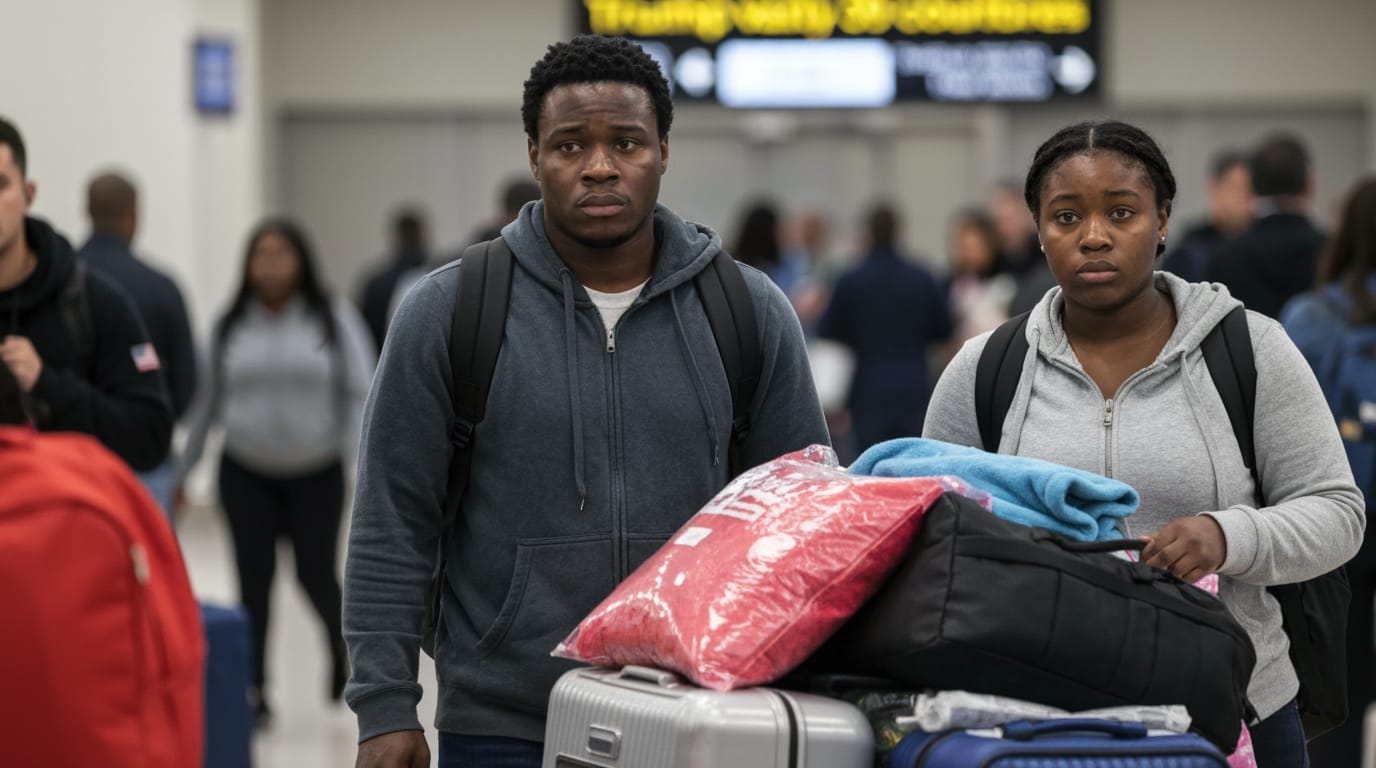
Washington D.C. - The Trump administration announced a sweeping expansion of its travel restrictions on Tuesday, more than doubling the number of countries facing entry bans or significant limitations for their citizens seeking to enter the United States. The presidential proclamation, effective January 1, 2026, brings the total count of affected nations to 39, citing persistent security deficiencies and inadequate information-sharing as primary concerns. This significant policy shift is poised to impact a broad spectrum of individuals, from potential immigrants and temporary visitors to those with existing familial ties to the U.S.
Executive Action Cites National Security Imperatives
The newly signed proclamation builds upon an earlier travel ban implemented in June, which originally targeted 19 countries. This latest executive action underscores the administration's stated commitment to enhancing national security through stricter vetting processes for foreign nationals. Officials emphasized that the expansion is a direct response to countries that have demonstrated "persistent and severe deficiencies in screening, vetting, and information-sharing," making it challenging for U.S. authorities to adequately assess potential security and public safety risks. The White House explicitly linked the expanded measures to preventing terrorist attacks, protecting national security, and addressing vulnerabilities in immigration laws.
The move follows weeks of internal deliberations and comes on the heels of a high-profile incident involving an Afghan immigrant charged in the shooting of two National Guard members in Washington, D.C. While the administration maintains that the measures are purely security-driven, critics swiftly pointed to the timing and potential broader implications for immigration policy. Homeland Security Secretary Kristi L. Noem had previously indicated that an expansion of the travel ban was under consideration, recommending the president broaden the list.
A Broadened Scope of Restrictions
The expanded ban introduces various levels of restrictions, ranging from full prohibitions on both immigrant and nonimmigrant visas to partial suspensions affecting specific visa categories. Seven countries previously facing partial restrictions, including Laos and Sierra Leone, will now face a complete ban on entry. Additionally, five new countries – Burkina Faso, Mali, Niger, South Sudan, and Syria – have been added to the list facing full entry restrictions. These join the 12 nations already under a full ban from the June proclamation, which included Afghanistan, Burma, Chad, Republic of Congo, Equatorial Guinea, Eritrea, Haiti, Iran, Libya, Somalia, Sudan, and Yemen.
Furthermore, the proclamation imposes partial entry limits on immigrants and travelers from an additional 15 countries. These nations, primarily in sub-Saharan Africa and the Caribbean, include Angola, Antigua and Barbuda, Benin, Côte d'Ivoire, Dominica, Gabon, Gambia, Malawi, Mauritania, Nigeria, Senegal, Tanzania, Tonga, Zambia, and Zimbabwe. For these countries, the restrictions typically suspend the issuance of immigrant visas and specific nonimmigrant visas such as B (visitor), F (student), M (vocational student), and J (exchange visitor) classifications. The administration also enacted an entry ban for individuals traveling with documents issued by the Palestinian Authority. Notably, restrictions on travelers from Turkmenistan were eased, a decision attributed to that country's improved information-sharing with the U.S.
The White House justified these distinctions by pointing to varying degrees of deficiencies in areas such as identity management, passport security, and cooperation with U.S. security protocols. Some countries were also cited for high rates of visa overstays.
Exceptions and Eliminated Provisions
While the restrictions are extensive, certain exceptions apply. Lawful permanent residents of the United States from affected countries are generally exempt, as are individuals holding valid visas issued prior to the effective date of the proclamation. The new policy explicitly states that existing visas will not be revoked. However, individuals whose visas expire and need renewal could face the ban upon re-entry. Exceptions are also made for certain visa categories, including athletes and diplomats, and for individuals whose entry is deemed to serve U.S. national interests.
A notable change from the earlier June ban is the elimination of an exception that previously exempted the children, spouses, and parents of U.S. citizens who had requested visas on their behalf. This removal is expected to create new challenges for family reunification efforts. The administration's rationale for this change points to perceived "fraud risks" associated with broad family-based immigrant visa carve-outs, while still preserving case-by-case waivers.
Broad Implications and Sustained Opposition
The expanded travel ban is anticipated to generate considerable domestic and international debate. Immigration and human rights organizations have voiced strong condemnation, arguing that the policy broadens the scope of exclusion and disproportionately affects populations fleeing conflict and humanitarian crises. Global Refuge, an advocacy group, stated that the move "ensnar[es] families, students, workers, and people fleeing violence – many of whom have longstanding ties to the United States." They expressed particular alarm over the inclusion of countries experiencing active conflict or widespread persecution, such as Afghanistan, Sudan, South Sudan, Syria, and Haiti.
Critics maintain that the use of security concerns to justify blanket exclusions punishes entire populations rather than focusing on individualized, evidence-based screening. They argue that closing legal pathways to the U.S. does not eliminate the need for refuge but instead pushes vulnerable individuals into more perilous situations.
Historically, previous iterations of the Trump administration's travel bans faced significant legal challenges and public backlash. However, the Supreme Court, in 2018, upheld the president's authority to suspend the entry of foreign nationals on national security grounds through legal authority known as 212(f). This precedent may limit the avenues for legal challenges against the latest expansion.
The economic impact of such broad restrictions is also a point of concern. Earlier analyses of the June 2025 travel ban indicated potential disruptions in higher education, labor markets, and overall tax revenues and consumer spending due to the exclusion of immigrants who often contribute significantly to the U.S. economy. The expanded ban could exacerbate these effects, particularly by affecting family-based and diversity visas, as well as student and business travelers.
Conclusion
The Trump administration's decision to expand its travel restrictions to 39 countries marks a significant intensification of its immigration policies. Citing national security concerns, the administration has implemented a complex web of full and partial bans, affecting millions across the globe. While officials emphasize the necessity of these measures for domestic protection, the expansion has ignited fresh waves of criticism regarding its humanitarian impact, potential for family separation, and broader economic consequences. As the new restrictions take effect in early January, the U.S. immigration landscape will undergo another profound transformation, with lasting repercussions for international relations and the lives of countless individuals seeking entry or refuge in the United States.


