Uganda Braces for High-Stakes 2026 Election Amidst Deepening Political Tensions
Uganda is poised for a pivotal general election on January 15, 2026, a contest that will once again test the nation's democratic institutions and determine its leadership for the next five years. With President Yoweri Museveni, now 80 years old, seeking to extend his nearly four-decade rule, the election is unfolding against a backdrop of intensified political authoritarianism, escalating human rights concerns, and a determined opposition led by prominent pop star-turned-politician Robert Kyagulanyi Ssentamu, widely known as Bobi Wine. The electoral cycle is widely viewed not merely as a routine exercise in democracy, but as a critical juncture for a country grappling with the complexities of long-term incumbency and the aspirations for political change.
The Enduring Reign of President Museveni
President Yoweri Museveni, who came to power in 1986, has been formally nominated by his ruling National Resistance Movement (NRM) to seek a seventh term in office. His extensive tenure has been facilitated by constitutional amendments, including the removal of presidential term limits in 2005 and the age limit in 2017, which paved the way for his continued eligibility. Museveni's campaign centers on a narrative of stability, promoting industrial growth, and steering Uganda towards upper-middle-income status, urging voters to "protect the gains" made under his leadership. This vision emphasizes continuity and economic progress as essential for the nation's future.
The Resilient Opposition and the Rise of Bobi Wine
Challenging Museveni's entrenched power is Robert Kyagulanyi Ssentamu, or Bobi Wine, the 43-year-old leader of the National Unity Platform (NUP). Having been cleared by the Electoral Commission to run, Wine represents a significant voice for the opposition, framing his bid as a "protest vote" against four decades of what he describes as authoritarian rule. His platform, articulated in "A New Uganda Now," champions open governance, equal opportunities, and job creation for Uganda's large youth population. Wine and his NUP party have garnered substantial support, particularly in urban areas, and secured the largest number of opposition seats in Parliament during the last election cycle. Despite facing significant personal risks, including arrests, physical attacks, and threats, Wine has reiterated his commitment to advancing hope for change among Ugandans. In total, eight presidential candidates have been nominated, including Maj. Gen. (rtd) Mugisha Muntu of the Alliance for National Transformation (ANT) and Nathan Nandala Mafabi of the Forum for Democratic Change (FDC), indicating a multi-party field, albeit one dominated by the incumbent and his primary challenger.
Electoral Integrity and Deepening Human Rights Concerns
The lead-up to the 2026 elections has been marked by widespread alarm over the deteriorating human rights situation and a perceived intensification of authoritarian tactics. International bodies, including the UN human rights office (OHCHR) and Amnesty International, have expressed profound concerns regarding a "brutal campaign of repression" targeting opposition figures and their supporters. Reports detail arbitrary arrests, detentions, and instances of torture, alongside the unlawful use of force to disperse opposition rallies. Notably, hundreds of NUP members have been detained, and leaders like Bobi Wine have been routinely harassed and prevented from holding campaign events. The U.S.-based Holocaust Memorial Museum has issued a grave warning about the potential for "mass atrocities," citing the risk of repression and violence that could be worse than what was observed during the 2021 elections.
Further undermining public confidence, the electoral environment has seen significant restrictions on civic space. Freedom of expression, assembly, and association have been curtailed, with civil society organizations and media outlets facing increased scrutiny and surveillance. Amnesty International has specifically warned that restrictions on live broadcasts and public communication could make it increasingly difficult to monitor and document human rights violations. Critics also point to past instances where COVID-19 restrictions were allegedly enforced discriminately to stifle opposition political participation. Despite legal and administrative reforms aimed at strengthening electoral integrity, public trust in the Electoral Commission and the broader electoral process remains low.
The Role of the Electoral Commission and Proposed Reforms
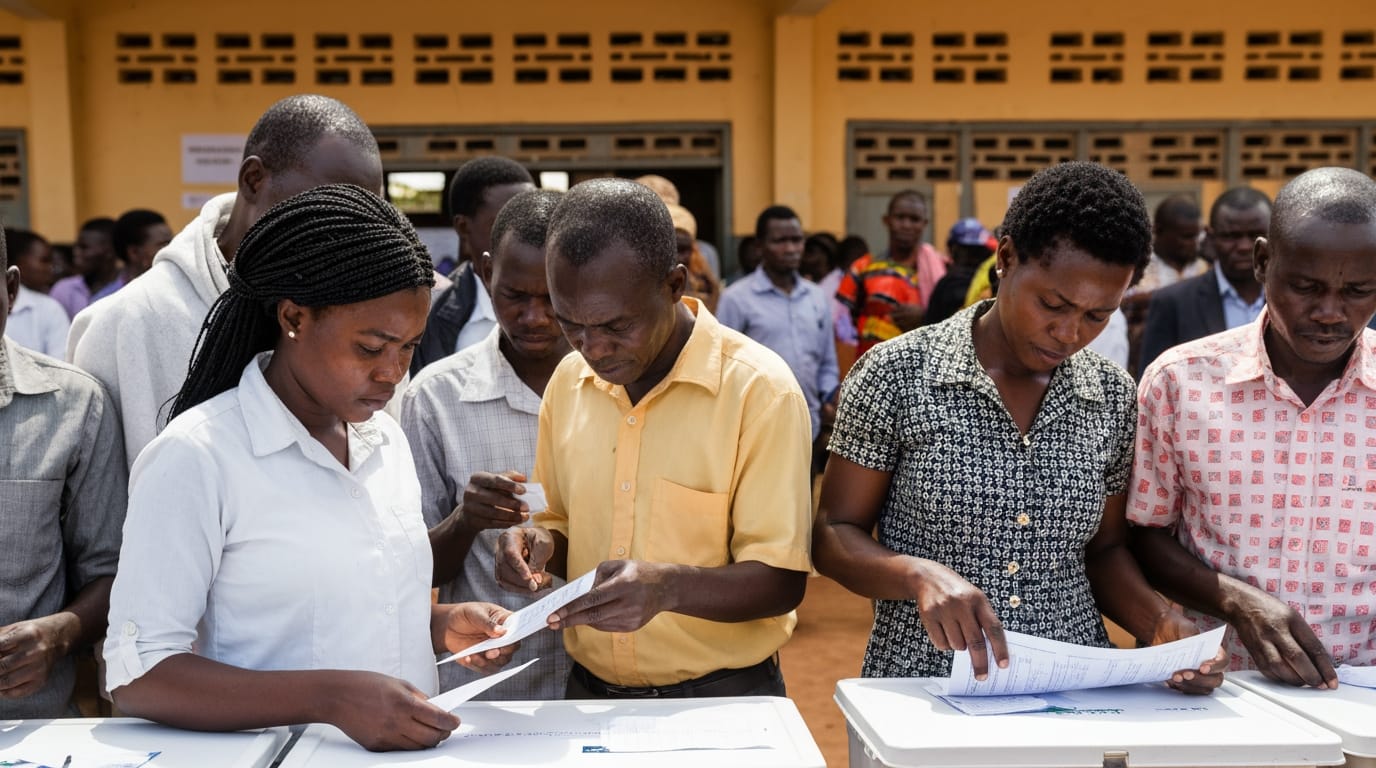
The Electoral Commission (EC) is mandated with organizing and supervising free and fair elections, and preparations for the January 15 polls are underway. The EC has commenced the issuance of Voter Location Slips to help voters identify their polling stations and has received the second consignment of ballot papers. However, the EC also reported a significant Shs623.9 billion funding gap in January 2025, which it stated could threaten the successful conduct of the elections.
In an effort to address some of the persistent criticisms surrounding electoral malpractice, the Minister of Justice and Constitutional Affairs announced proposed electoral reform bills. These reforms aim to introduce body cameras at polling stations, implement stricter penalties for vote rigging, and leverage technology to enhance election management and prevent issues like ballot stuffing. Simultaneously, opposition figures like Mathias Mpuuga have put forward their own far-reaching proposals, advocating for constitutional amendments that include proportional representation, a bicameral legislature, and the reintroduction of presidential term limits. These opposition-backed reforms also seek to empower any registered voter, not just presidential candidates, to challenge election results. Ugandans generally support reforms aimed at greater transparency and accountability, including electronic voting and limits on military involvement in elections.
Looking Ahead: The Stakes for Uganda
As Uganda approaches its January 2026 general elections, the nation stands at a critical juncture. The prolonged leadership of President Museveni, coupled with the vigorous challenge from Bobi Wine and other opposition candidates, sets the stage for a highly contested political event. Beyond the immediate outcome, the elections are seen by some analysts as a crucial period in the "late-Museveni political order," with undercurrents of succession politics, including speculation surrounding the President's son, Gen. Muhoozi Kainerugaba.
The concerns voiced by human rights organizations and the international community regarding repression, curtailed freedoms, and the integrity of the electoral process underscore the significant challenges facing Uganda's democratic aspirations. The conduct of security forces, the impartiality of the Electoral Commission, and the public's ability to participate freely will be key determinants of the credibility of these elections. The ultimate impact of these elections will resonate deeply, shaping Uganda's political landscape, its stability, and its trajectory for years to come.