Uganda's Youth Demand a Seat at the Political Table, Reshaping Nation's Future
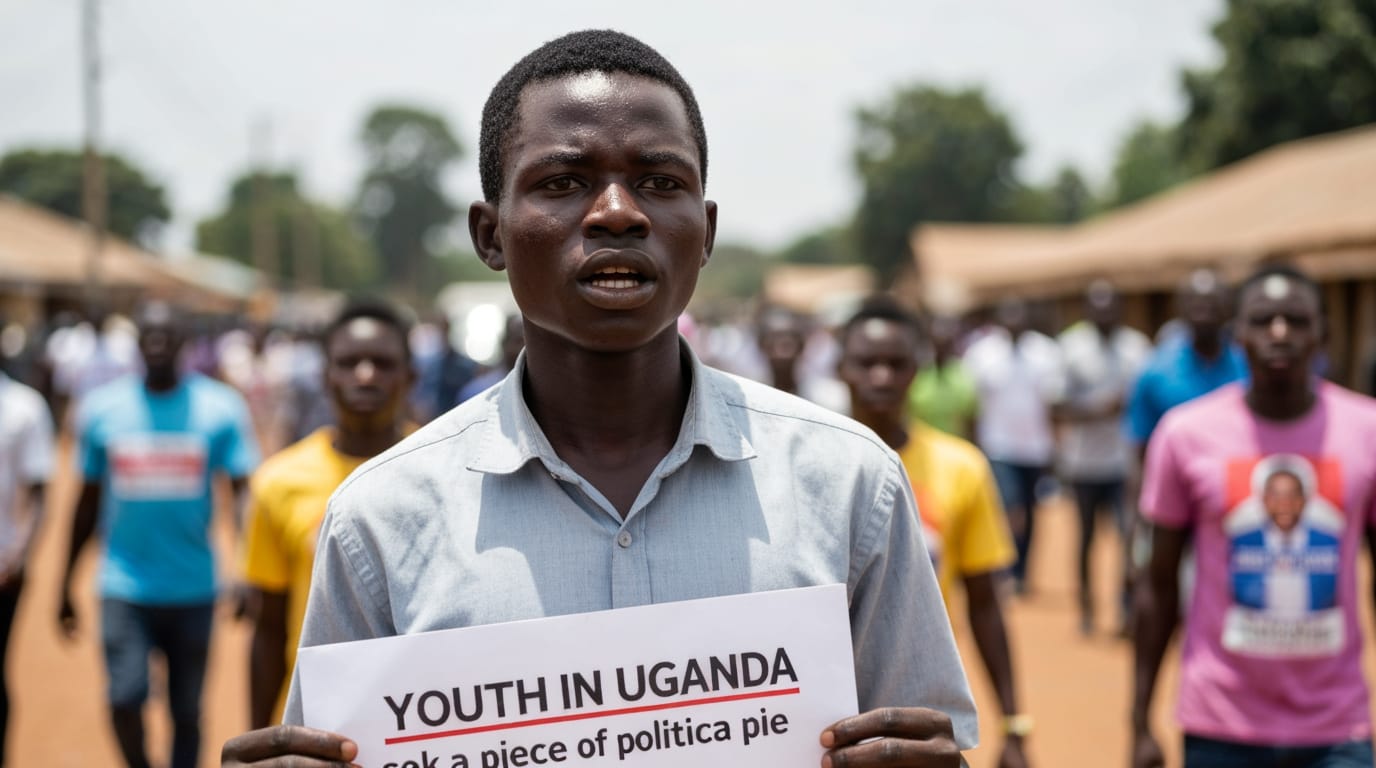
KAMPALA – Uganda, one of the world's youngest nations, is experiencing a seismic shift in its political landscape as a burgeoning youth population increasingly demands a meaningful role in governance and decision-making. With a vast majority of its citizens under the age of 35, the East African nation finds itself at a critical juncture where the aspirations of its youth collide with entrenched political structures, forcing a re-evaluation of who holds power and how it is wielded. This demographic imperative is not merely a call for representation but a profound push for systemic change, driven by economic anxieties, a desire for accountability, and a growing determination to shape their own destiny.
The Demographic Imperative and Political Awakening
Uganda's demographic profile underscores the urgency of youth political engagement. Recent data from the 2024 census indicate that the youth demographic (18-30 years) constitutes 22.7% of the total population, with over half the population (50.5%) being children aged 17 and under. Other sources suggest that approximately 73% of Uganda's roughly 46 million people are under the age of 30, with the median age estimated at about 16 years. This makes Uganda the second youngest country globally. This "youth bulge" presents both immense opportunities and significant challenges, creating an undeniable pressure on the existing political system.
The sheer numbers mean that young people form a substantial portion of the electorate, with approximately 6.4 million youth aged 18-30 registered as voters in previous elections. This demographic weight grants them considerable potential to influence political outcomes, as evidenced by the strong youth support for opposition figures like Robert Kyagulanyi Ssentamu, popularly known as Bobi Wine, in past presidential elections. However, this numerical dominance has not always translated into effective political influence or policy changes addressing youth concerns.
Navigating a Treacherous Landscape: Challenges to Youth Participation
Despite their demographic strength, Ugandan youth face a myriad of formidable barriers to meaningful political participation. Foremost among these is the pervasive issue of unemployment and underemployment. While official statistics from 2024 place youth unemployment at 16.1% for those aged 18-30, other estimates suggest the figure is much higher, with some reports citing 32% youth unemployment in 2017. Around 700,000 young people enter the working age population annually, but only about 75,000 jobs are created each year. This economic precarity often predisposes young people to clientelistic political systems, where they may be swayed by financial incentives from political elites, or even resort to perpetrating violence during elections for monetary gain. A 2022 study by the Uganda Youth Network (UYONET) found that the increasing participation of youth in politics is largely motivated by the perception that politics is a lucrative profession, with Members of Parliament earning significantly more than other highly educated professionals.
Beyond economic hurdles, young aspirants encounter significant financial obstacles when seeking elective office. High nomination fees, for example, have been identified as a major deterrent, effectively screening out many young people with limited financial backing. The ruling National Resistance Movement (NRM) presidential ticket, for instance, reportedly cost 20 million UGX in 2025, with parliamentary seats at 3 million and local council positions up to 1 million.
Moreover, the political environment itself can be repressive. Young activists frequently face police brutality, harassment, arrests, and detention. The government has also been accused of employing tactics such as blocking social media during times of political unrest or elections to stifle dissent. There is a widespread feeling among youth that they are not genuinely represented by the government and are disconnected from their leaders, with distrust towards elites who use youth issues for their own gain. Stereotypes persist, with some leaders reportedly perceiving youth as "lazy, security threats, and vessels of political violence," further undermining their efforts to engage constructively. The limited access to civic education and credible information also hinders their informed participation.
Beyond the Ballot Box: Diverse Avenues of Engagement
Despite these systemic challenges, Ugandan youth are employing diverse and often innovative strategies to assert their political agency. While direct electoral participation remains crucial, their efforts extend far beyond voting.
Social media has emerged as a powerful tool for mobilization, advocacy, and holding power accountable. Hashtags like #StopAbuseOfPowerUg have gained momentum, and campaigns such as the "Uganda Parliament Exhibition" in 2024, spearheaded by the activist organization Agora CFR, effectively exposed corruption within the national assembly, leading to international sanctions against certain officials. These digital initiatives often leverage art, music, and online organizing to amplify voices and draw attention to issues like corruption, human rights abuses, and political repression.
Street protests and demonstrations also remain a vital form of expression. In July 2024, inspired by youth movements in neighboring Kenya, Ugandan youths organized a "March to Parliament Protests" against taxes, resulting in arrests but also galvanizing a new generation of activists. Historically, student movements have been at the forefront of advocating for change, notably in protests against government policies and even during the Museveni presidency.
Civil society organizations and youth-led movements play a crucial role in promoting civic dialogue, capacity building, and preventing electoral violence. Initiatives like "Extremely Together Uganda" have organized multi-generational dialogues, workshops for young politicians, and "peace committees" to engage youth meaningfully and address grievances. These groups also work to equip young people with civic skills necessary for political engagement, such as organizing demonstrations, advocacy, lobbying, and networking.
Furthermore, formal representation structures exist, including reserved seats for youth at all levels of government, including Parliament, and a National Youth Council. Youth Members of Parliament represent different regions and a national chairperson. Political parties also have youth leagues, providing an entry point into the political system. However, these institutional frameworks do not always translate into effective policy influence.
A Glimmer of Hope and the Road Ahead
Despite the hurdles, there are clear indications that youth political engagement is evolving and achieving notable, albeit incremental, successes. The 2021 general elections, for instance, saw a significant number of young people elected to office. Out of 529 Members of Parliament, 160 were under 40 years old, with Bobi Wine's National Unity Platform (NUP) accounting for 59 of these young lawmakers. In some districts, particularly in central Uganda, young candidates without substantial financial backing successfully unseated older, career politicians, signaling a shift in local electoral dynamics.
The increased awareness and willingness of youth to contest for various positions, viewing it as a necessity rather than mere exploitation, reflects a growing sense of agency. There is also a recognition that diverse approaches are needed, including harnessing social media for mobilization and creating open platforms for youth to exchange ideas and formulate policy alternatives. Civil society and development partners are increasingly focusing on addressing the economic and civic limitations that impede youth participation, emphasizing the need for economic empowerment and increased engagement in non-political organizations to acquire critical civic skills.
The aspirations of Uganda's young leaders extend beyond mere representation; they are driven by the desire to shape national policy, influence development priorities, and give voice to a generation that will define Uganda's future. The ongoing debates and increased involvement suggest a long-term commitment to democratic participation, even in the face of significant obstacles.
In conclusion, Uganda's youth are not just seeking a "piece of the political pie"; they are actively reshaping the entire bakery. Their demographic weight, coupled with increasing activism and a refusal to be sidelined, promises to be a defining force in the nation's political trajectory. While challenges such as unemployment, monetized politics, and state repression persist, the ingenuity, resilience, and sheer numbers of Uganda's youth indicate an irreversible push towards greater inclusion and accountability, fundamentally altering the country's democratic future.


