Ukraine and Russia Conduct Fourth Prisoner of War Exchange in a Week
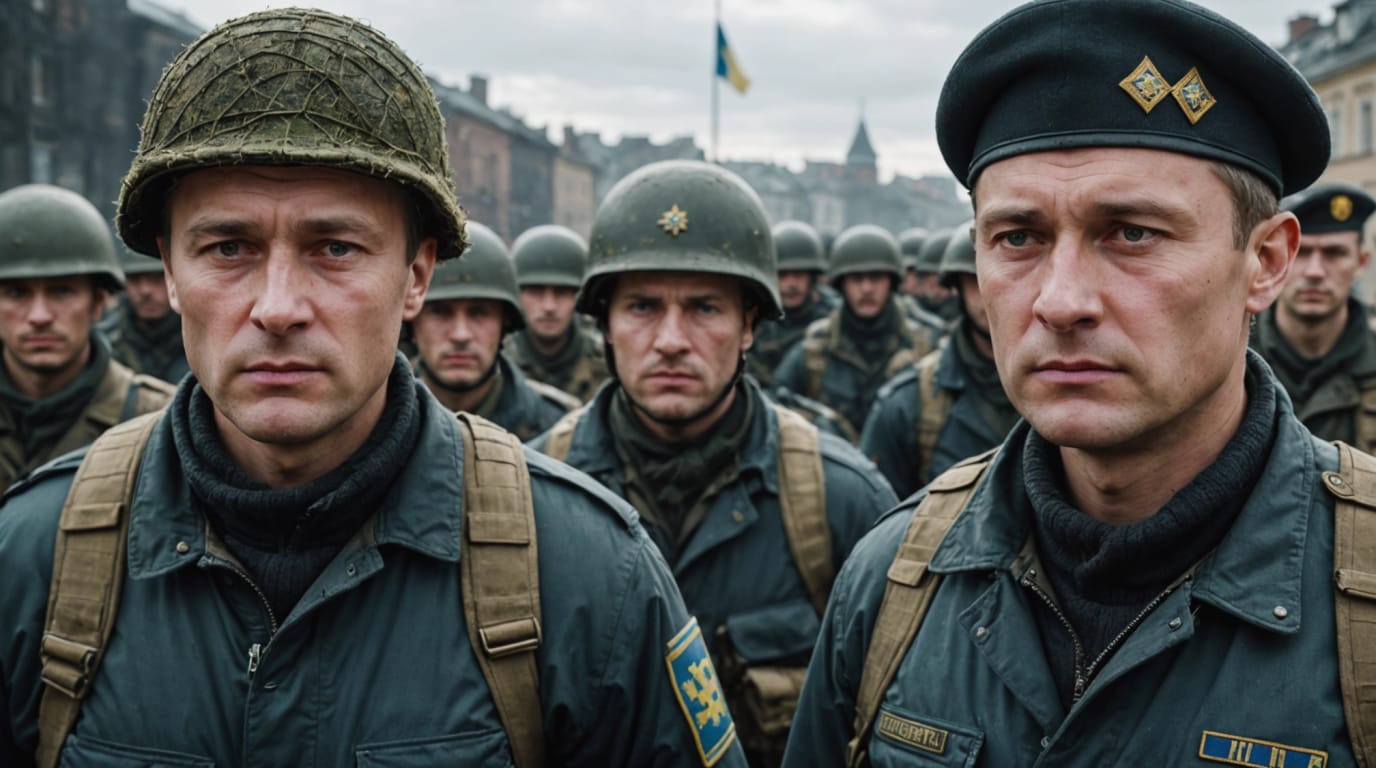
In a series of exchanges, Ukraine and Russia have conducted their fourth prisoner of war (POW) swap in a single week, marking a significant development in ongoing efforts to repatriate captured soldiers. The latest exchange, confirmed on Saturday, June 14, 2025, involved the return of soldiers from both sides, many of whom had been held captive since 2022. This exchange is part of a broader agreement reached during talks held in Istanbul earlier this month, focusing on the exchange of specific categories of POWs and the repatriation of fallen soldiers.
Details of the Exchange
Ukrainian President Volodymyr Zelenskyy announced the latest exchange via his Telegram channel, emphasizing the ongoing commitment to bring Ukrainian citizens back from Russian captivity. The released Ukrainian soldiers include members of the Armed Forces, National Guard, State Border Guard Service, and the State Special Transport Service. Many of these soldiers were captured during intense battles, including the defense of Mariupol.
The Coordination Headquarters for the Treatment of Prisoners of War in Ukraine stated that the recent exchange prioritized the release of severely wounded and ill soldiers, as well as young servicemen under the age of 25. A significant number of those released were officers. The Ukrainian soldiers had served on multiple fronts, including Donetsk, Zaporizhzhia, Luhansk, Kherson, Kharkiv, and Sumy.
Russia's Ministry of Defence also confirmed the exchange, stating that another group of Russian servicemen had been returned from territory controlled by Kyiv. The ministry released footage showing uniformed men holding Russian flags and chanting patriotic slogans. However, Russian state media reported that Moscow did not receive any war dead back from Kyiv in this exchange.
Istanbul Agreement
The prisoner exchanges are a result of agreements reached during talks held in Istanbul in early June 2025. While the talks did not yield a political breakthrough or ceasefire, both sides agreed to a phased exchange of prisoners and the repatriation of fallen soldiers' bodies. As part of this agreement, Russia pledged to return the bodies of thousands of Ukrainian service members. Ukraine has brought back the bodies of thousands of Ukrainian nationals, including fallen service members, in recent days.
Background and Context
The conflict between Russia and Ukraine has resulted in numerous soldiers being captured on both sides. The defense of Mariupol in 2022, in particular, led to heavy losses for Ukraine, with hundreds of servicemen captured after the fall of the Azovstal plant. Since then, Ukraine has conducted multiple prisoner swaps, often focusing on those with severe injuries or health conditions, facilitated through international negotiations.
These exchanges provide a glimmer of hope amidst the ongoing conflict. The return of prisoners, especially those who are wounded or ill, is a humanitarian imperative. The exchanges also serve as a confidence-building measure, potentially paving the way for further negotiations and de-escalation.
Challenges and Obstacles
Despite the progress made with the prisoner exchanges, significant challenges remain. The exact number of prisoners held by both sides is unknown, and the process of identifying and verifying prisoners can be complex and time-consuming. Andriy Yusov, a representative of Ukraine's Defense Intelligence (HUR), stated that the number of individuals freed is not being disclosed, as any public comments could jeopardize ongoing and future exchanges.
Furthermore, Russia has been accused of using prisoner exchanges as a tool to exert pressure on Ukraine and to advance its political objectives. Russia's intensification of its offensive along the front line, particularly in the Sumy region, coincides with these prisoner exchanges, raising concerns about the timing and motivations behind these actions.
Implications and Future Outlook
The prisoner exchanges have significant implications for the ongoing conflict and for the families of the soldiers involved. For the soldiers returning home, the exchanges offer a chance to reunite with their loved ones and to receive medical care and rehabilitation. For the families of those still in captivity, the exchanges provide hope that their loved ones will eventually be returned.
The exchanges also have broader implications for the peace process. By demonstrating a willingness to engage in humanitarian gestures, both sides may be creating an environment that is more conducive to further negotiations and de-escalation. However, the prisoner exchanges are just one piece of the puzzle, and much more work needs to be done to achieve a lasting peace.
Conclusion
The fourth prisoner of war exchange between Ukraine and Russia in a week represents a positive step amidst the ongoing conflict. While challenges and obstacles remain, the exchanges offer hope for the return of more prisoners and for the eventual resolution of the conflict. The agreements reached in Istanbul provide a framework for continued prisoner exchanges and repatriation efforts, but the ultimate success of these efforts will depend on the willingness of both sides to engage in good faith and to prioritize humanitarian concerns.


