Ukraine Ceasefire Crumbles as Overnight Attacks Escalate, Zelenskyy Condemns Russian Actions
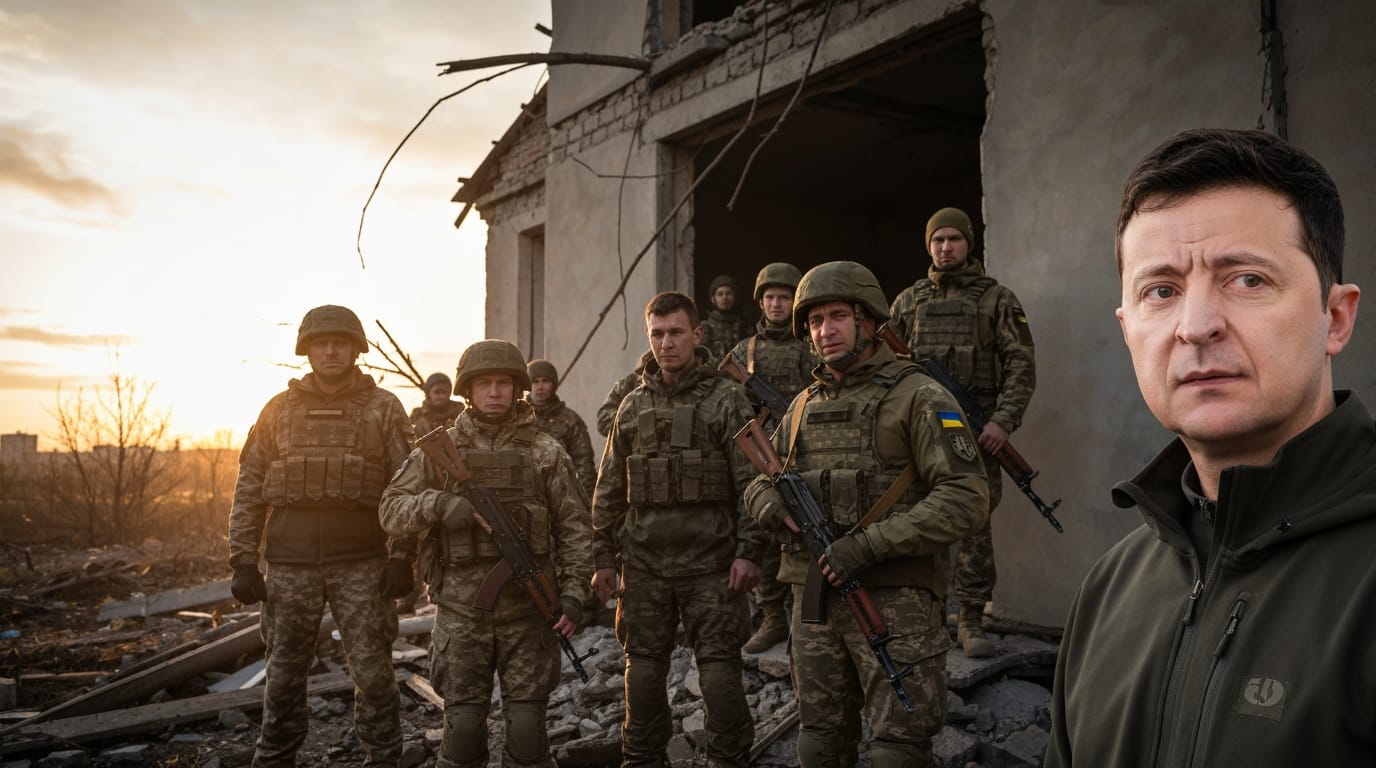
Kyiv, Ukraine – A three-day humanitarian ceasefire, intended to honor World War II Victory Day and brokered by former U.S. President Donald Trump, has reportedly dissolved into renewed hostilities, with Ukrainian President Volodymyr Zelenskyy accusing Russia of widespread violations and intensified overnight attacks across the nation. Ukrainian officials reported significant drone and missile strikes targeting civilian infrastructure and residential areas, resulting in casualties and substantial damage, just as the truce was scheduled to conclude. This breakdown signals a grim outlook for de-escalation efforts, as both sides exchanged accusations of breaching the agreement.
The fragile truce, spanning from Saturday, May 9, to Monday, May 11, was hoped to provide a brief respite in the ongoing conflict. However, statements from Kyiv indicate that the fighting persisted, with President Zelenskyy asserting that Russia failed to uphold the ceasefire, describing the Russian military as not "even particularly trying to" observe the pause in hostilities. The latest reports from Ukrainian authorities underscore a pattern of sustained aggression, shattering hopes for a temporary calm.
Renewed Onslaught Darkens Ukrainian Skies
In the hours leading up to and following the official end of the ceasefire, Ukrainian regions experienced a barrage of Russian attacks. President Zelenskyy stated that Russia launched over 200 drones overnight, marking an effective end to any "partial ceasefire." These drone assaults were reportedly accompanied by more than 30 airstrikes and over 80 aerial bombs, striking multiple Ukrainian regions including Dnipro, Zhytomyr, Mykolaiv, Sumy, Kharkiv, Chernihiv, and the capital, Kyiv. Targets included vital energy facilities, residential apartment buildings, and even a kindergarten, with a civilian locomotive in the Dnipropetrovsk region also reportedly hit. Ukrainian officials confirmed fatalities and injuries among the civilian population as a result of these widespread strikes.
Earlier in the ceasefire period, Ukrainian reports detailed persistent Russian aggression. On May 6, President Zelenskyy indicated that Russian forces continued offensive operations along key sections of the front line despite the announced truce, citing over 20 air strikes and more than 70 aerial bombs used overnight and during the morning. By May 8, Ukrainian positions had reportedly endured over 140 attacks, including 10 assault operations and more than 850 drone strikes utilizing various types of unmanned aerial vehicles. The head of the southeastern Zaporizhzhia region, Ivan Fedorov, reported that Russian artillery and drone attacks resulted in one death and three injuries, with an additional 16 people wounded across other Ukrainian territories. These incidents collectively painted a picture of a ceasefire largely disregarded by Russian forces.
A Truce Under Duress: Competing Narratives
The three-day ceasefire, brokered at the request of former U.S. President Donald Trump, aimed to facilitate humanitarian relief and potentially pave the way for prisoner exchanges. However, its implementation was fraught with immediate accusations from both sides. While Kyiv lamented Russia's consistent violations, Moscow presented its own counter-narrative, accusing Ukrainian forces of numerous breaches. The Russian Ministry of Defense claimed an astounding 23,802 violations by Ukrainian armed formations in areas of military operations on May 11 alone, involving drone strikes and shelling of Russian military positions, as well as attacks on civilian infrastructure in Russia's Belgorod region. Moscow asserted that its forces fully adhered to the ceasefire and merely "responded in kind" to Ukrainian provocations. On May 12, the Russian Defense Ministry also reported shooting down 31 Ukrainian drones over the Belgorod, Volgograd, Voronezh, and Rostov regions. These conflicting accounts underscore the deep mistrust and propaganda prevalent in the ongoing conflict, making independent verification challenging amidst active hostilities.
Strategic Implications and Human Cost
The rapid collapse of the Victory Day ceasefire carries significant strategic implications, highlighting the persistent challenges in achieving any meaningful de-escalation in the conflict. President Zelenskyy emphasized that Ukraine would "respond in kind" to all Russian actions, indicating a reciprocal military response to the renewed aggression. He also reiterated calls for stronger international sanctions against Moscow until a lasting truce is achieved, asserting that Russia must end the war and demonstrate a genuine willingness for peace.
The human cost of the failed ceasefire is evident in the reported casualties and destruction. The deliberate targeting of civilian areas and critical infrastructure, including energy facilities and residential buildings, underscores the devastating impact on Ukrainian citizens. The continuous cycle of violence, even during periods intended for peace, further entrenches suffering and displacement. The international community, which had welcomed the prospect of a ceasefire, now faces the reality of continued conflict and the erosion of trust between the warring parties.
An Unsettled Future
As the nominal ceasefire concludes, the situation on the ground remains volatile, characterized by continued attacks and mutual recriminations. The failure of this recent truce, despite international mediation efforts, demonstrates the deep-seated nature of the conflict and the profound difficulty in establishing a sustained peace. The renewed escalation underscores that for Ukraine, the path to peace remains elusive, shadowed by the immediate and devastating consequences of ongoing hostilities. The Ukrainian leadership's commitment to proportional response and calls for increased international pressure signal an unwavering resolve to defend its sovereignty against continued aggression.


