Ukraine Grapples with Energy Emergency Amidst Brutal Cold and Sustained Attacks
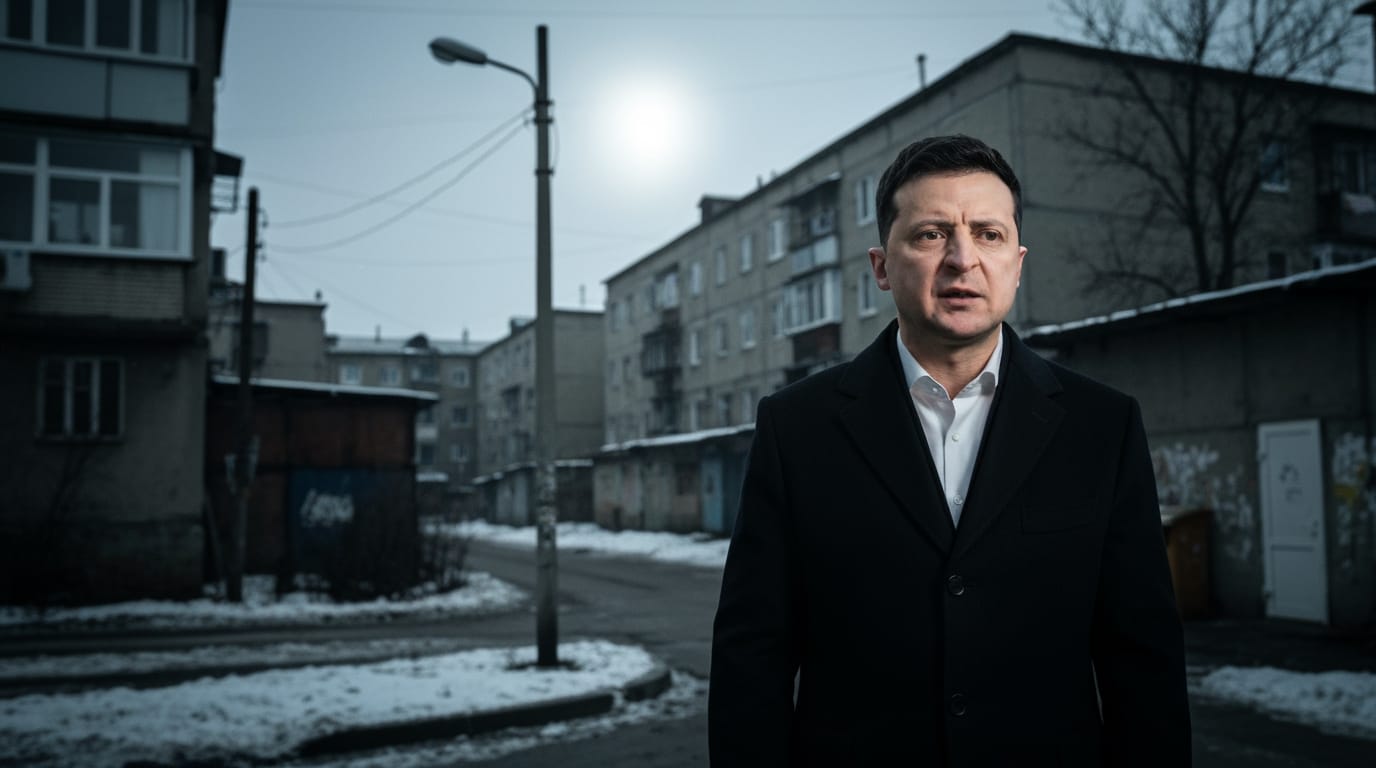
KYIV, Ukraine – Ukrainian President Volodymyr Zelenskyy has declared a state of emergency across the nation's energy sector, as a severe cold snap exacerbates widespread power and heating outages caused by relentless Russian attacks on critical infrastructure. The urgent declaration, made on January 14, 2026, underscores the dual challenge facing Ukraine: defending against military aggression while simultaneously combating the harsh realities of winter. The confluence of sub-zero temperatures, dropping as low as -19 degrees Celsius (minus 2 degrees Fahrenheit), and systematic damage to the energy grid has plunged millions into perilous conditions, particularly in the capital city of Kyiv.
A Nation Under Siege: Winter's Harsh Grip and Infrastructure Damage
The declaration of an energy emergency follows a high-level meeting convened by President Zelenskyy to address the escalating crisis. The severity of the situation is attributed directly to the compounded effects of recent Russian strikes and the dramatic deterioration of winter weather. Energy infrastructure has been a consistent target throughout the ongoing conflict, but recent assaults have intensified, strategically timed to coincide with the coldest period of the year. Experts note that while this might not be the most intense wave of attacks in terms of sheer volume, its impact is arguably the most severe to date, primarily due to the cumulative degradation of Ukraine's energy system over time.
The nation's energy generating capacity has been significantly diminished. Before the full-scale invasion, Ukraine boasted approximately 33.7 gigawatts (GW) of dispatchable power generation capacity. As of January 2026, this capacity has plummeted to an estimated 14 GW, with around 60% of gas production reportedly destroyed by October 2025. This drastic reduction leaves the grid highly vulnerable to cold-induced surges in demand and further attacks. Repair efforts are also severely hampered by the freezing conditions, as ice makes working on cables and grids two to four times more complicated, and critical spare parts for power plants are becoming scarce.
Kyiv Endures Protracted Outages Amidst Freezing Temperatures
The capital city of Kyiv has been particularly hard-hit, serving as a focal point for both the Russian attacks and the resulting humanitarian challenges. Around 800 residential buildings in Kyiv were reportedly without heating and electricity, impacting an estimated 200,000 residents. Beyond Kyiv, regions such as Bucha, Irpin, and Hostomel have also reported widespread failures in heating systems. Emergency power cuts have become a daily reality, with some residents experiencing as little as three hours of electricity, followed by outages lasting up to ten hours or more, and in some cases, up to 16 hours without power. This intermittency disrupts daily life, affecting not only heating and lighting but also water supply due to damaged critical infrastructure.
The severity of the crisis prompted Kyiv Mayor Vitali Klitschko to advise residents, who have the means, to temporarily leave the city to avoid freezing conditions. Klitschko initially reported that approximately 6,000 buildings in the capital lost access to heating following a massive overnight assault on January 9. These dire circumstances have led to friction within the Ukrainian leadership, with President Zelenskyy publicly criticizing Kyiv's preparedness compared to other cities like Kharkiv, a sentiment that Klitschko vehemently refuted, highlighting the round-the-clock efforts of city services.
Government Mobilizes Response and International Appeals
In response to the escalating crisis, President Zelenskyy has outlined several urgent measures. A permanent coordination headquarters will be established in Kyiv to manage the local emergency response. The First Deputy Prime Minister and Minister of Energy has been tasked with overseeing operational efforts to support affected communities and resolve practical issues. The government is also accelerating efforts to work with international partners to secure essential equipment and additional support. This includes plans to significantly increase electricity imports and to introduce maximum deregulation to expedite the connection of backup energy equipment to the grid.
Furthermore, the government is reviewing curfew regulations during the extremely cold weather to ensure people have maximum access to support centers. These "Points of Invincibility," which offer warmth, electricity for charging devices, and internet access, are crucial for humanitarian aid. Zelenskyy has instructed authorities in Kyiv to increase the number and ensure the proper functioning of these centers. International organizations, such as the Council of Europe, have echoed calls for immediate humanitarian funding and assistance, including support for emergency housing, generators, and essential supplies, recognizing that the resilience of the Ukrainian people, while extraordinary, is not enough. The 2026 Humanitarian Needs and Response Plan, launched by humanitarian organizations, targets 4.1 million people in need of assistance across Ukraine, seeking $2.3 billion to address these critical needs.
Outlook: A Test of Endurance in a Weaponized Winter
The declaration of an energy emergency signals a deepening phase of the humanitarian crisis in Ukraine, as the nation faces a weaponized winter orchestrated through deliberate attacks on civilian infrastructure. The ongoing struggle highlights the critical importance of a robust and resilient energy sector, not only for daily life but also for national security. While repair crews, energy companies, and emergency services work tirelessly around the clock to restore power and heating, the sustained nature of the attacks and the extreme weather conditions present formidable obstacles.
The coming weeks will undoubtedly test the resolve of Ukrainian citizens and the effectiveness of the government's emergency measures and international support. The focus remains on mitigating the immediate human suffering, ensuring essential services are maintained, and bolstering the long-term resilience of Ukraine's energy infrastructure against future challenges. The coordination between national authorities, local administrations, energy providers, and the private sector, along with sustained international aid, will be paramount in navigating this perilous winter.


