Ukraine Intensifies Azov Sea Offensive, Striking 11 More Russian Vessels in Critical Maritime Campaign
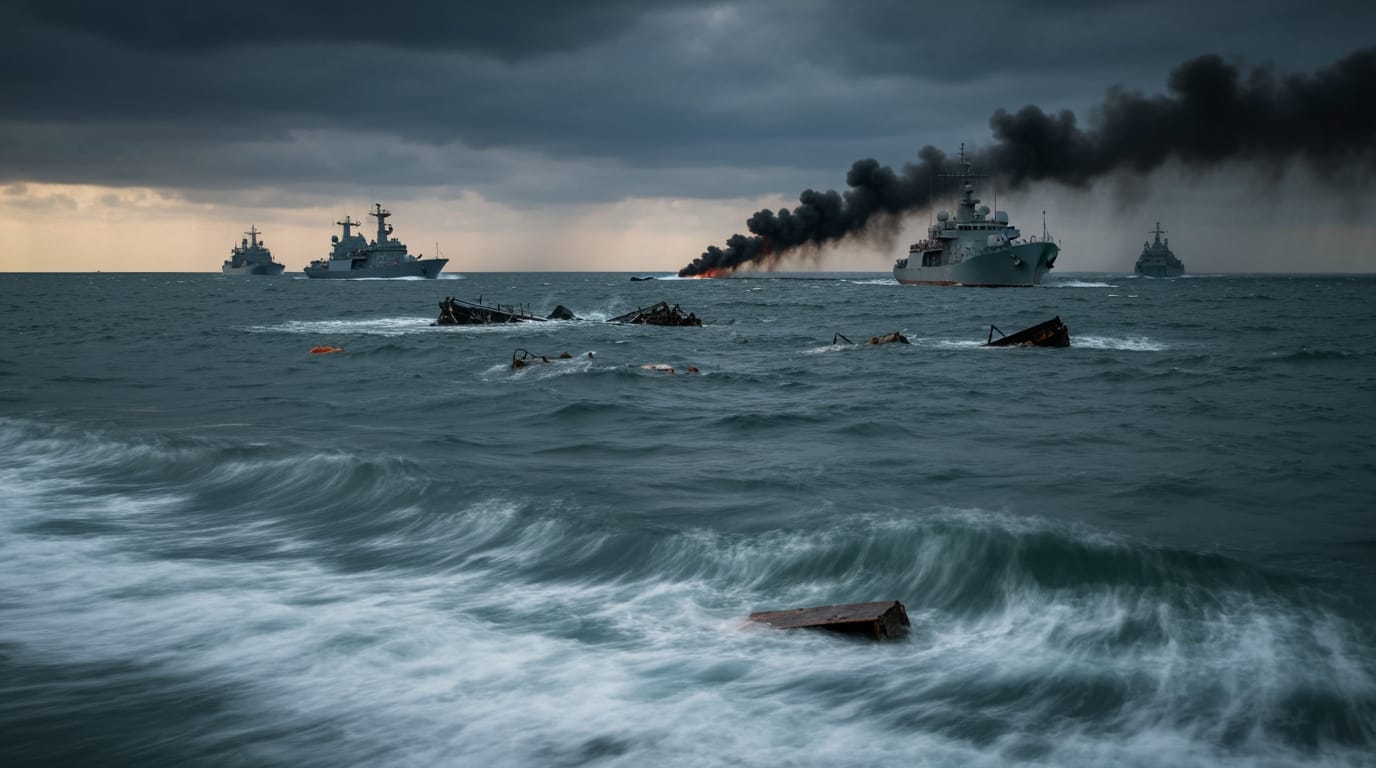
Kyiv's unmanned systems forces delivered another significant blow to Russian maritime operations, targeting 11 vessels in the Sea of Azov overnight, marking a dramatic escalation in Ukraine's strategy to disrupt Moscow's logistical lifelines and economic capabilities in the region. The latest assault, confirmed by Ukrainian officials, brings the total number of Russian ships reportedly struck in just nine days to 116, underscoring a concerted effort by Kyiv to render the strategic waterway increasingly perilous for Russian shipping.
Sustained Pressure on Russia's "Shadow Fleet"
The recent wave of attacks, executed by Ukraine's Unmanned Systems Forces (USF), targeted a diverse array of Russian maritime assets. According to USF Commander Robert "Madyar" Brovdi, the overnight strikes on July 13-14, 2026, successfully engaged five tankers, five dry cargo ships, and one tugboat in the Sea of Azov. This continuous pressure is part of an operation dubbed "MoLoChKa" (Dairy), explicitly designed to cripple Russia's "feeder fleet" – a network of small to medium-sized flat-bottomed tankers, approximately 140 meters long with a deadweight of about 7,000 tons. These vessels are crucial for transporting oil and petroleum products through the Volga-Don Canal and the shallow waters of the Sea of Azov, either to larger deep-draft tankers waiting in the Black Sea or directly to supply occupied Crimea.
The scale of the campaign has been substantial, with Ukrainian forces reporting a consistent pace of engagements. Prior to the latest 11 strikes, the USF had already claimed responsibility for hitting 15 Russian vessels the previous night, bringing the then-total to 105 ships in eight days. Other reports indicated 28 vessels were struck on July 11 as part of a campaign that began on July 6. While independent verification of each individual claim remains challenging amidst ongoing hostilities, the consistent reporting from Ukrainian sources highlights a sustained and systematic effort.
The Strategic Importance of the Sea of Azov
The Sea of Azov holds immense strategic and logistical significance for Russia, particularly since the full-scale invasion of Ukraine in 2022. Russia has sought to consolidate control over its entire coastline, effectively aiming to transform it into an "internal lake." This waterway serves as a vital artery, connecting the occupied Ukrainian coastline with Crimea and acting as a critical supply route for Russian forces in southern Ukraine. Fuel, construction materials, food, and other essential supplies transit through the Kerch Strait and Azov's ports.
By targeting the feeder fleet, Ukraine aims to inflict economic pain and disrupt military logistics. The small tankers are integral to Russia's shadow fleet, circumventing international sanctions by transporting oil and other goods. Disabling these vessels makes it increasingly difficult and expensive for Russia to move fuel to occupied territories and its military units. Ukrainian officials assert that the objective is not always to sink the ships, but to damage them sufficiently to necessitate prolonged repairs, thereby removing them from service and choking off critical supply lines. This strategy mirrors earlier Ukrainian efforts against Russian ground logistics and oil refineries, focusing on relentless, systematic pressure to degrade Russia's ability to sustain its war effort.
Disrupting Russian Logistics and Economic Operations
The impact of Ukraine's intensified maritime campaign is already evident. Russian authorities have reportedly been compelled to suspend shipping through the Don-Azov Canal and halted applications for passage through the Kerch Strait, a critical chokepoint connecting the Sea of Azov to the Black Sea. Such disruptions have far-reaching consequences, potentially affecting Russia's ability to export grain and oil, and posing significant challenges to the resupply of Crimea and Russian forces. The cessation of shipping through these vital channels underscores the success of Ukraine's drone operations in making the Sea of Azov an increasingly dangerous and costly operational zone for Russia.
Reports indicate that alternative supply routes via road and rail are also under Ukrainian fire control, compounding Russia's logistical woes. The ongoing attacks contribute to fuel shortages in Crimea, with local authorities on the peninsula declaring a state of emergency. These kinetic sanctions, as described by some analysts, are directly targeting Russia's economic capacity to fund the war by disrupting oil exports and increasing operational costs for its maritime commercial sector.
An Evolving Asymmetric Warfare
Ukraine's sustained drone campaign in the Sea of Azov highlights its evolving capabilities in asymmetric warfare. Utilizing unmanned systems, Ukraine is challenging Russia's naval dominance and transforming a body of water once considered a secure Russian domain into a contested battleground. This shift carries symbolic weight, demonstrating Ukraine's capacity to project power and influence maritime operations even without a traditional navy, forcing Russia to adapt to a new and persistent threat. The strategic goal extends beyond direct military engagement, aiming to isolate Crimea and severely impede Russia's ability to sustain its occupation and military operations in southern Ukraine. The ongoing attacks suggest a long-term strategy to systematically dismantle Russia's logistical and economic advantages in the region.


