Ukrainian Resolve Holds Firm: 'Absurd' to Abandon Donbas to Russia Amid Peace Talks
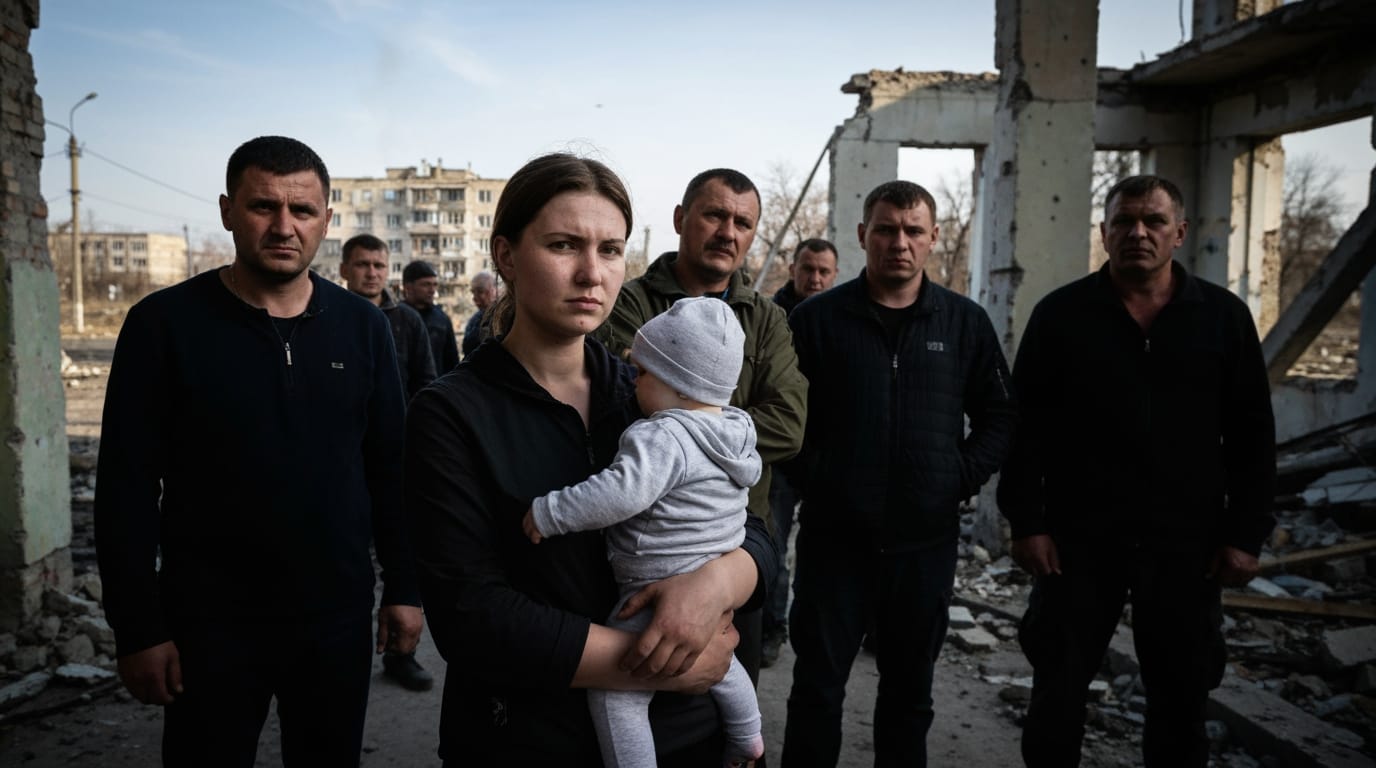
KYIV, Ukraine – As international diplomatic efforts intensify to find a path to peace in the protracted conflict, Ukrainian officials and citizens alike have unequivocally rejected any notion of ceding the eastern Donbas region to Russia, branding such a proposal as "absurd." This firm stance underscores a deep-seated national commitment to territorial integrity, bolstered by constitutional mandates, military imperatives, and widespread public opposition to any land-for-peace concessions. The unwavering refusal to surrender Donbas highlights the profound military, economic, and human significance of the region, which has been at the epicenter of hostilities since 2014.
The Unwavering Stance: "No Land for Peace"
Kyiv's position on the Donbas region remains resolute: withdrawal is not an option. Ukrainian President Volodymyr Zelenskyy has consistently articulated that his nation will not abandon Donbas, stating unequivocally, "We will not leave Donbas. We cannot." This official stance is deeply rooted in Ukraine's constitution, which prohibits the alteration of the country's borders without a national referendum. Any proposals suggesting territorial concessions are met with fierce resistance, not only from the government but also from a unified public.
Recent opinion polls reveal overwhelming public sentiment against ceding territory. According to studies conducted in late 2024 and early 2025, a significant majority of Ukrainians, approximately 75%, object to formally ceding any land to Russia. More specifically, polls indicate that 52% of Ukrainians are categorically opposed to any territorial concessions in exchange for peace, while an even higher 68% reject official Ukrainian recognition of Russia's control over occupied territories. Among the military, this figure is reported to be "much, much higher," with soldiers holding an "unequivocal" stance against abandoning positions. Ukrainian reserve colonel Roman Svitan articulated the military's resolve, stating that anyone giving an order to abandon positions and cede territory would be considered a "traitor." This broad consensus underscores the immense internal pressure against any leadership contemplating such a move, making it politically unfeasible for any Ukrainian president to sign away parts of the country.
Donbas: A Decade of Conflict and Deep Roots
The conflict in Donbas did not begin with the full-scale Russian invasion in February 2022 but dates back to April 2014, when Russian paramilitaries seized several towns in the eastern Ukrainian region. This marked the beginning of a prolonged phase of the Russo-Ukrainian war, characterized by intense fighting between Ukrainian government forces and Russian-backed separatists in the Donetsk and Luhansk oblasts. Russia covertly supported these separatist movements with troops and weaponry, using a "hybrid approach" involving disinformation, irregular fighters, and conventional military support.
Historically, the Donbas has been Ukraine's economic powerhouse, rich in coal and metal ore deposits and home to numerous metallurgical, coal, and chemical plants. Before 2014, the region contributed roughly 15.7% to Ukraine's GDP. The war, however, has devastated this industrial heartland, transforming once-thriving cities into ruins and making many resources inaccessible due to widespread destruction and landmines.
The human cost of this decade-long conflict has been immense. Between 2014 and December 2021, at least 3,400 civilians and 4,400 Ukrainian soldiers were killed, with nearly 20,000 injured. Millions have been displaced, and those remaining under Russian occupation have faced poverty, Kremlin indoctrination, and constant crossfire. Russia's claims of "saving" Russian-speaking Ukrainians in Donbas are contradicted by the widespread destruction and humanitarian crisis inflicted upon these areas. Despite initial sentiments in 2014 where some in Donbas expressed grievances with Kyiv and fears about economic impacts, public opinion has shifted dramatically, with a strong anti-Russian backlash evident even among the Russian-speaking population, 82% of whom held negative views of Russia in a May 2025 poll.
Strategic Imperatives and Future Security
The Donbas region holds immense strategic importance for Ukraine, both militarily and economically. Militarily, the cities within Donbas, particularly those still under Ukrainian control like Sloviansk and Kramatorsk, form a critical defensive line. Giving up any of these cities would risk the collapse of this entire defensive barrier, potentially opening the path for Russian forces to advance into Ukraine's heartland, including major cities like Dnipro and Kharkiv. Ukrainian forces have spent years fortifying these positions, making them a costly but vital shield.
Economically, beyond its natural resources, Donbas possesses vital railway infrastructure and agricultural lands. Losing the region would have severe long-term economic consequences for Ukraine. Furthermore, Ukrainian officials and experts widely distrust any peace promises from Moscow that involve territorial concessions. They argue that Russia "will always lie" and would use any temporary ceasefire or territorial gain as a springboard for future attacks. Abandoning Donbas, therefore, is seen not as a path to peace but as an invitation to further aggression and a betrayal of the sacrifices made.
International Pressures and Diplomatic Deadlocks
The question of Donbas has remained the "most difficult" issue in ongoing peace talks, with Russia consistently demanding Ukraine's withdrawal from the parts of the region it still controls. These demands have been a central point in various proposals, including a 28-point plan put forth by U.S. special envoy Steve Witkoff and Russia's sovereign wealth fund head, Kirill Dmitriev, which envisioned Ukraine entirely withdrawing its forces from Donbas. Similarly, reports from US-mediated talks in Florida in late 2025 indicated Russia's insistence on Ukraine's complete withdrawal from Donbas as a condition for ending the war.
Kyiv, however, has firmly rejected these demands, citing constitutional constraints, public opinion, and the reality on the ground. Ukrainian negotiators have emphasized that any discussion on territories must begin from the current line of contact. While some international figures, including former U.S. President Donald Trump, have suggested "swapping of territories," Ukrainian officials have made it clear they will not trade land for a vague promise of peace they do not believe Russia would honor. Concerns have also been voiced by European allies regarding the potential for the U.S. to pressure Ukraine into an unfavorable deal, warning of "great danger" if Kyiv is left exposed. Despite these external pressures and the arduous nature of negotiations, Ukraine's resolve to maintain its territorial integrity in Donbas remains unyielding.
A Nation's Resolve
For Ukraine, the Donbas is far more than just a geographic area; it is an integral part of its sovereign territory, steeped in a history of struggle and sacrifice. The unified opposition to abandoning Donbas reflects a national consensus forged by a decade of conflict and a profound commitment to self-determination. From the constitutional bedrock preventing unauthorized territorial changes to the firm stance of its military and the overwhelming public sentiment, Ukraine's refusal to cede Donbas is a multifaceted declaration of national identity and resilience. Any lasting peace, from the Ukrainian perspective, must respect these fundamental principles and uphold the nation's sovereignty, ensuring that the sacrifices made are not in vain and that a precedent for aggression is not rewarded.


