UNIFIL: Decades of Vigilance on Lebanon's Volatile Southern Border
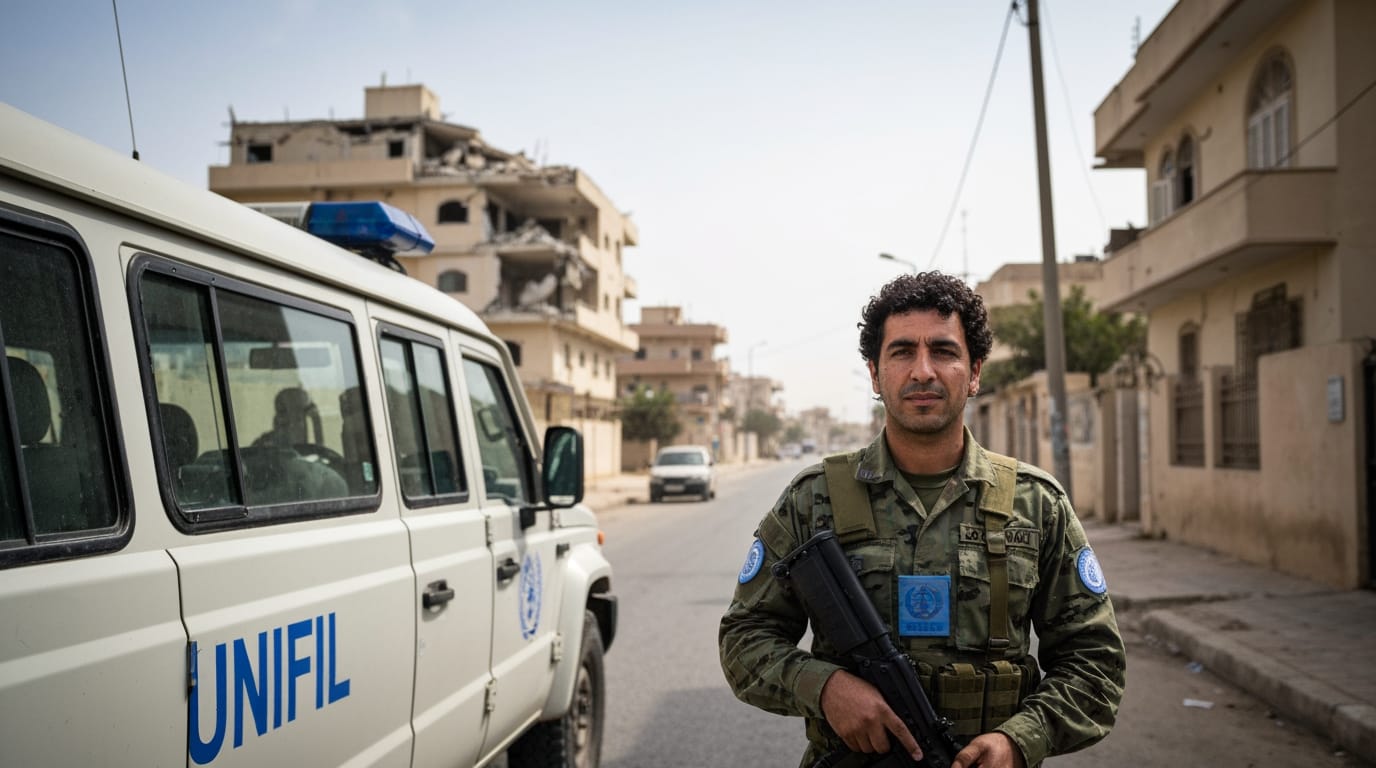
Naqoura, Lebanon – For nearly half a century, the blue helmets of the United Nations Interim Force in Lebanon (UNIFIL) have been a persistent, if often precarious, presence in the tumultuous landscape of Southern Lebanon. Established in the aftermath of a 1978 Israeli invasion, this multinational peacekeeping mission remains a critical, albeit frequently challenged, bulwark against the full-scale resumption of hostilities between Lebanon and Israel, two nations technically still at war. Its ongoing deployment underscores the region's enduring fragility and the international community's sustained, complex effort to foster stability where lasting peace remains elusive.
The Genesis of a Guardian: From Invasion to Interim Force
UNIFIL's origins are rooted in the urgent need to address the destabilizing consequences of the 1978 Israeli invasion of Lebanon. Prompted by a Palestinian Liberation Organization (PLO) attack, Israel launched "Operation Litani," leading to the occupation of significant portions of Southern Lebanon. In response, the United Nations Security Council, through Resolutions 425 and 426 on March 19, 1978, swiftly established UNIFIL. The mission was initially tasked with three core objectives: confirming the withdrawal of Israeli forces from Southern Lebanon, restoring international peace and security in the area, and assisting the Lebanese government in reasserting its effective authority. The first peacekeepers arrived just four days later, beginning a deployment that would span decades and witness profound shifts in the regional power dynamics. Despite its initial mandate, UNIFIL found its mission scope periodically adjusted due to subsequent developments, including the 1982 Israeli invasion and the Israeli withdrawal from Lebanon in 2000.
An Expanded Mandate in a Post-2006 Landscape
The nature of UNIFIL's mission underwent a significant transformation following the devastating 2006 Lebanon War between Israel and Hezbollah. The conflict, which raged for 34 days, led the UN Security Council to enhance UNIFIL's mandate through Resolution 1701. This expanded role moved beyond merely observing and reporting, placing greater emphasis on active measures to prevent a recurrence of hostilities. Under the revitalized mandate, UNIFIL was tasked with monitoring the cessation of hostilities, supporting and accompanying the Lebanese Armed Forces (LAF) as they deployed across Southern Lebanon, and facilitating humanitarian access and the safe return of displaced populations. Crucially, Resolution 1701 also aimed to ensure that the area between the Litani River and the Blue Line—the demarcation line between Lebanon and Israel—remained free of unauthorized armed personnel, assets, and weapons. This placed UNIFIL in a more proactive, yet equally challenging, position, requiring close coordination with the LAF to uphold the terms of the resolution.
On the Ground: Complex Operations Amidst Volatility
Today, UNIFIL operates with over 10,000 peacekeepers drawn from approximately 50 countries, complemented by around 800 civilian staff. Headquartered in Naqoura, Lebanon, the force conducts extensive operations across its 1,060-square-kilometer area, maintaining 50 positions and deploying a Maritime Task Force along the Lebanese coastline. Their daily work involves monitoring the Blue Line, conducting ground and air patrols, and meticulously reporting any violations of Resolution 1701 to the UN Security Council.
The peacekeepers play a vital role in maintaining calm along one of the world's most sensitive borders. They serve as an impartial third party, working to de-escalate tensions and prevent minor incidents from spiraling into larger conflicts. Beyond military monitoring, UNIFIL contributes significantly to the local populace through humanitarian aid, landmine clearing operations, and Civil-Military Cooperation (CIMIC) projects that support local infrastructure and economies. This multifaceted approach highlights UNIFIL's dual role: a military deterrent and a civilian benefactor.
However, the mission operates within an inherently complex and often dangerous environment. UNIFIL's mandate empowers it to act defensively, but it is not authorized to use force to unilaterally disarm armed groups like Hezbollah, a persistent point of contention and criticism. Reports suggest that information regarding UNIFIL patrols may sometimes be relayed to other actors in the region, potentially compromising the effectiveness of certain operations. The force itself has not been immune to the violence, with peacekeepers enduring attacks from both Israeli forces and Hezbollah at various times, underscoring the extreme risks inherent in their mission. Some critics have questioned UNIFIL's ability to fully protect civilians and enforce the entirety of Resolution 1701, particularly concerning the presence of unauthorized weapons south of the Litani River. Despite these challenges, UNIFIL's continuous presence is widely seen as crucial for preventing a wider conflagration, acting as a buffer and a communication channel between adversaries.
A Precarious Peace: Future and Enduring Relevance
UNIFIL's mandate is subject to annual renewal by the UN Security Council, reflecting the ongoing, albeit often challenging, international commitment to its presence. The most recent extension, on August 28, 2025, outlined a plan for the mission's operations until December 31, 2026, with a subsequent drawdown throughout 2027. This phased approach suggests a strategic recalibration, though the need for a stable mechanism on the Blue Line remains paramount.
The mission's continued relevance is undeniable in a region still grappling with geopolitical instability, internal Lebanese political challenges, and the ever-present threat of renewed conflict. UNIFIL's approximately $553 million annual budget for fiscal year 2025-2026 underscores the significant investment by the international community in maintaining this critical peacekeeping operation. While the mission faces legitimate questions about its efficacy in fully implementing all aspects of its mandate, particularly regarding the disarmament of non-state actors, its role in monitoring the cessation of hostilities and facilitating dialogue remains invaluable. The blue helmets of UNIFIL represent a steadfast commitment to preventing escalation, providing humanitarian assistance, and supporting the fragile peace along Lebanon's southern frontier. Their enduring presence is a testament to the persistent hope, against considerable odds, for a more stable future in this volatile corner of the world.


