Unpacking Trump's "Art of the Peace Deal": A Transactional Approach to Global Diplomacy
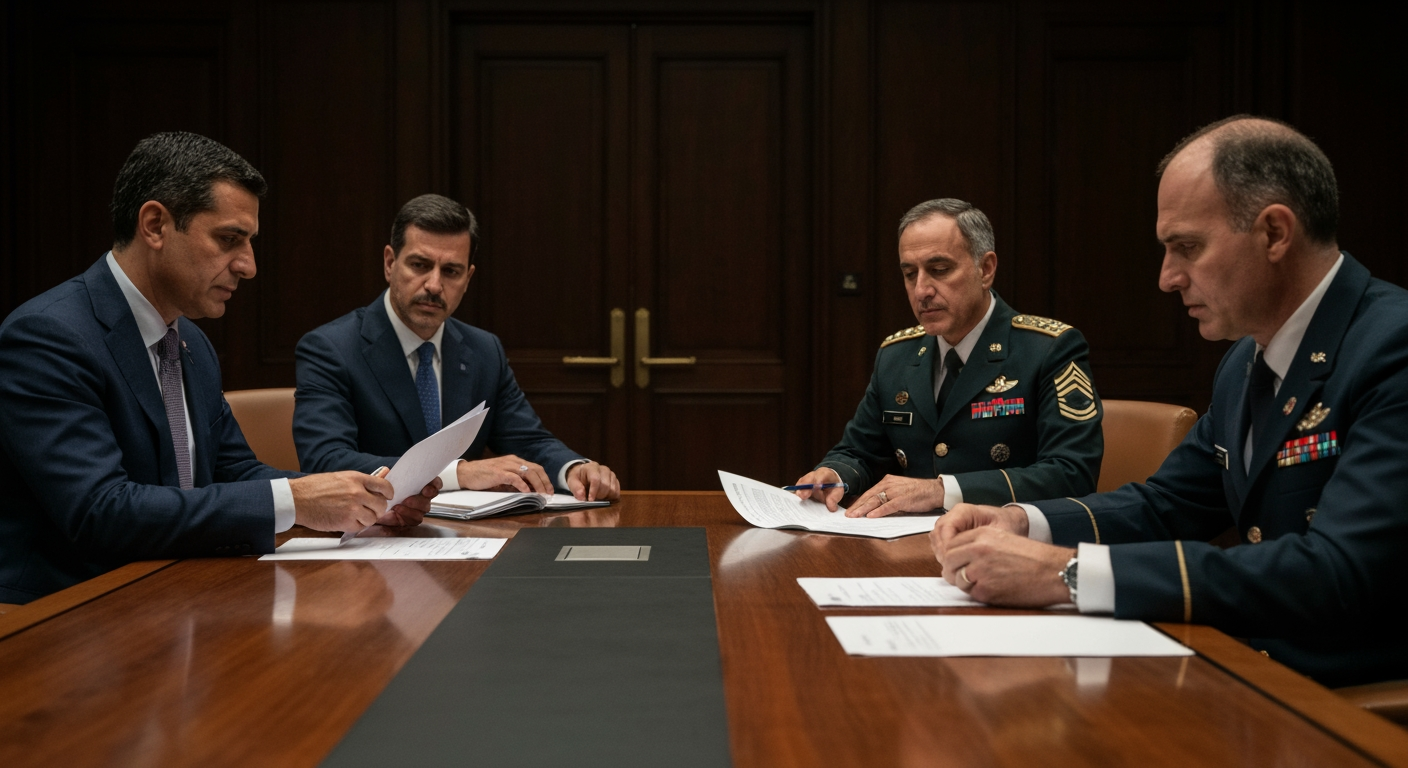
Donald Trump's distinctive and often unconventional approach to international peacemaking has long captivated observers, raising questions about its effectiveness and underlying motivations. Heavily influenced by his background in real estate and the principles laid out in his book, "The Art of the Deal," Trump's diplomacy diverges sharply from traditional statecraft. His methodology prioritizes direct negotiations, leverages economic incentives, and often seeks rapid, high-profile outcomes, resulting in both celebrated successes and significant challenges across various global flashpoints.
The Blueprint: "The Art of the Deal" in Foreign Policy
At the core of former President Donald Trump's diplomatic strategy is a negotiating philosophy derived from his extensive business career. This approach, which he famously detailed in "The Art of the Deal," emphasizes several key elements: direct engagement, a strong focus on leverage, the strategic use of economic incentives, and a notable willingness to "walk away" from unfavorable terms. This often involves "thinking big" and prioritizing swift, decisive outcomes over the protracted, incremental processes characteristic of traditional diplomacy. Critics have observed that this transactional style contrasts with established diplomatic norms that often rely on multilateral frameworks, consensus-building, and a more patient approach to conflict resolution. The "America First" doctrine, a cornerstone of his foreign policy, further underpins this strategy, aiming to prioritize U.S. national interests and economic gains in all international dealings. This perspective views foreign policy as a series of deals to be struck, where American economic power and strategic positioning serve as primary bargaining chips.
A Landmark Achievement: The Abraham Accords
One of the most significant foreign policy accomplishments during the Trump administration was the brokering of the Abraham Accords. Signed in 2020, these agreements normalized diplomatic relations between Israel and several Arab nations, including the United Arab Emirates, Bahrain, Morocco, and Sudan. The Accords represented a substantial shift in Middle Eastern diplomacy, as they bypassed the long-held precondition that resolution of the Israeli-Palestinian conflict must precede broader regional peace. Proponents hailed the agreements for fostering new diplomatic ties, promoting economic cooperation, and creating a strategic realignment in the region, particularly against shared threats such as Iran. The deals also involved significant economic and strategic incentives, such as the U.S. offering F-35 combat jets to the UAE and recognizing Morocco's sovereignty over Western Sahara. The Abraham Accords are frequently cited as an example where Trump's direct, commercially-minded approach yielded tangible and impactful results, fostering new avenues for investment and regional stability.
Navigating Complexities: North Korea and Ukraine
While the Abraham Accords stand out, Trump's "art of the deal" approach has faced considerable hurdles in other complex international disputes, notably with North Korea and the ongoing Russia-Ukraine conflict. His direct, top-down summitry with North Korean leader Kim Jong Un, beginning with the Singapore Joint Statement in 2018, offered initial hopes for denuclearization. However, these high-profile meetings, including a second summit in Hanoi, ultimately produced limited concrete progress. Critics noted a lack of substantive working-level preparations and vague commitments, which hindered the realization of verifiable outcomes.
More recently, a proposed 28-point peace plan to end the nearly four-year-old Russia-Ukraine war has garnered significant attention and controversy. This plan reportedly suggests Ukraine cede occupied territories, including Crimea, Luhansk, and Donetsk, and freeze current conflict lines in Kherson and Zaporizhzhia. It also proposes limiting Ukraine's military size and precluding its NATO membership, while offering economic incentives such as lifting sanctions on Russia and creating a "free economic zone" in Donbas. Ukrainian President Volodymyr Zelenskyy and his allies have strongly opposed the proposal, viewing it as heavily favoring Russia and undermining Ukraine's sovereignty and territorial integrity. The plan, characterized by its transactional nature, includes a provision for a "decisive coordinated military response" against future Russian incursions, though it remains unclear what role the United States would play in such a response. The controversy surrounding this plan underscores the challenges of applying a deal-making approach to conflicts with deep-rooted territorial and sovereignty issues, where economic incentives may not outweigh fundamental national interests.
The Debate Over Durability and Intentions
The application of Trump's "art of the peace deal" in foreign policy has ignited an ongoing debate regarding the durability of his agreements and the true intentions behind them. Critics argue that his transactional approach often prioritizes short-term political or economic gains over the establishment of genuinely sustainable peace. They point to instances where conflicts reportedly "unraveled" or failed to address the fundamental issues that initially fueled them, leading to renewed instability. Concerns have also been raised about transparency, with some analysts suggesting that the intertwining of business and diplomatic objectives could lead to potential conflicts of interest. This "resources-for-peace" strategy, where access to critical minerals or significant economic opportunities appear to play a pivotal role, has drawn particular scrutiny. While Trump's methods can produce rapid diplomatic openings and challenge established orthodoxies, the question of whether they foster lasting peace or merely temporary ceasefires remains a central point of contention among policymakers and international relations experts.
Conclusion
Donald Trump's "art of the peace deal" represents a significant departure from conventional diplomatic engagement, characterized by a direct, transactional, and economically driven style. While this approach demonstrably achieved a notable success with the Abraham Accords, fostering new regional alignments and cooperation, its application in other complex conflicts like North Korea and the ongoing war in Ukraine has yielded mixed results and considerable controversy. The debate over Trump's diplomatic legacy continues, with proponents emphasizing his ability to forge rapid agreements and challenge entrenched positions, while critics raise questions about the long-term sustainability, equitable outcomes, and ethical implications of his highly individualized and often unilateral approach to global peacemaking. The true measure of these deals, and their impact on international stability, will likely unfold over many years.
Related Articles


Mounting Frustration Grips Russia as Economic Hardship and War's Toll Deepen
Moscow, Russia – A palpable shift in public sentiment is emerging across Russia, with growing frustration among citizens fueled by a confluence of economic pressures, increasing internet restrictions, and the undeniable...

Germany's Strategic Calculus: Ukraine Aid is an Investment in European Security, Not Charity
Berlin – The ongoing provision of substantial aid to Ukraine by Germany and its allies is increasingly being framed not as an act of altruism, but as a crucial investment in European security and stability. This...