US and Iran Forge "Roadmap" for Final Agreement Amid Cautious Optimism
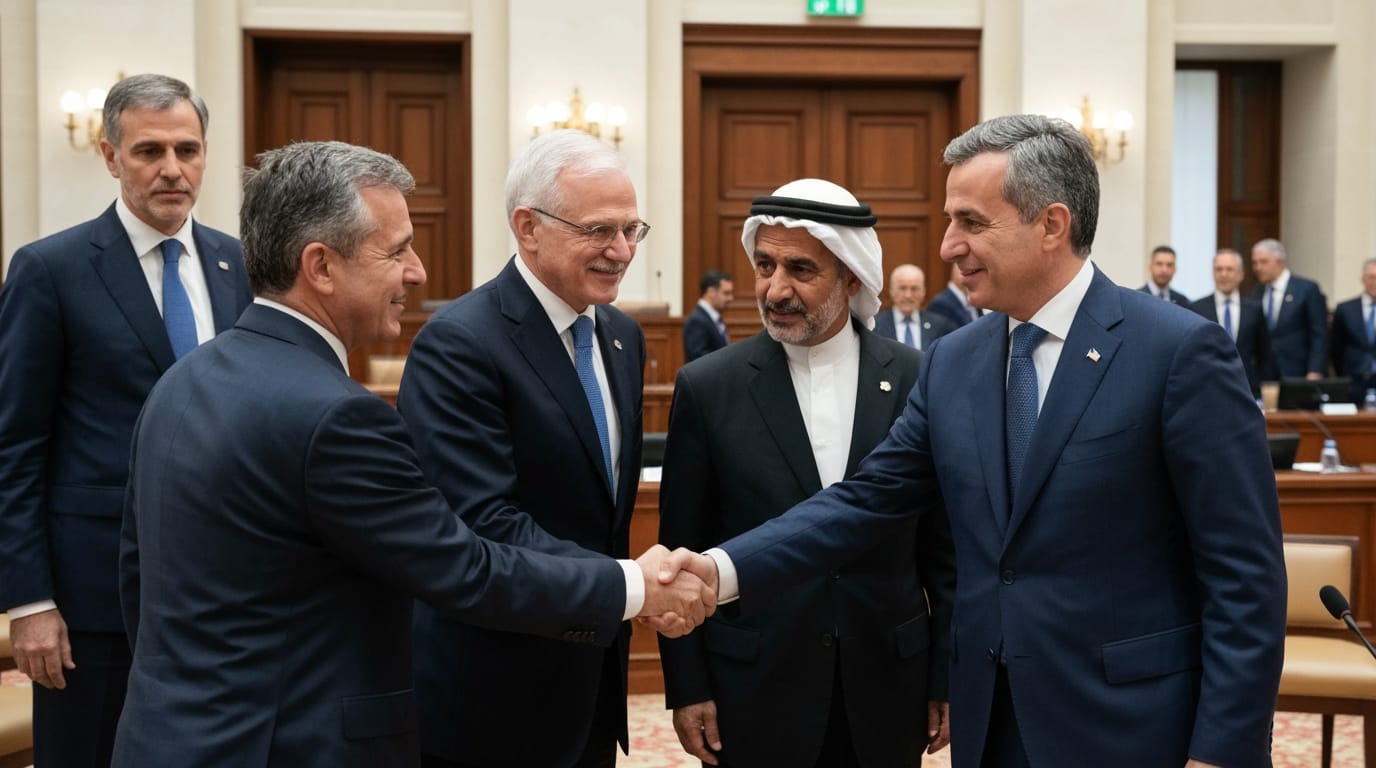
Switzerland - In a significant diplomatic development, the United States and Iran have agreed upon a 60-day "roadmap" aimed at achieving a comprehensive final agreement, following high-level talks mediated by Pakistan and Qatar in Switzerland. The understanding, reached at the Lake Lucerne summit, outlines a structured approach to tackle contentious issues ranging from Iran's nuclear program and crippling sanctions to regional security concerns in the Strait of Hormuz and Lebanon, signaling a renewed, albeit fragile, commitment to de-escalation and resolution.
The Lucerne Accord: Charting a Path Forward
The agreement, announced in a joint statement by the mediating nations, establishes a High-Level Committee tasked with providing political oversight for the ongoing process. Under this committee, chief negotiators will regularly report on progress, while specialized working groups delve into the intricate details of Iran's nuclear program, the scope of U.S. sanctions, and mechanisms for dispute resolution. This multi-faceted approach underscores the complexity of the issues at hand, which have historically plagued U.S.-Iran relations. Technical discussions are slated to commence immediately and continue throughout the week at the Bürgenstock resort, indicating an earnest effort to build momentum.
Crucially, the roadmap also addresses immediate regional flashpoints. Both sides have committed to establishing a direct communication line concerning the Strait of Hormuz, a vital international shipping lane, to "avoid incidents and miscommunication" and ensure the safe passage of commercial vessels. Furthermore, a de-confliction cell will be created, specifically aimed at supporting the cessation of military operations in Lebanon. Iranian Foreign Minister Abbas Araghchi expressed that "major progress" had been achieved toward ending the conflict in Lebanon, highlighting this as a significant step. As part of a broader understanding, the United States has reportedly waived sanctions on Iranian oil exports, released some frozen Iranian assets, and initiated a major reconstruction and development program for Iran. The framework of a recently signed Memorandum of Understanding (MOU) between the U.S. and Iran anticipates the termination of "all types of" sanctions by the U.S. against Iran as part of a final deal, with the U.S. Department of Treasury preparing to issue waivers for Iranian crude oil and petroleum product exports.
Decades of Distrust: Nuclear Ambitions and Sanctions
The backdrop to these negotiations is a history marked by profound distrust and escalating tensions, particularly concerning Iran's nuclear program and the impact of U.S. sanctions. The 2015 Joint Comprehensive Plan of Action (JCPOA), which aimed to curb Iran's nuclear capabilities in exchange for sanctions relief, was unilaterally abandoned by the United States in 2018. This withdrawal led to the reimposition of extensive U.S. sanctions, which have had severe economic and humanitarian consequences for Iran. In response, Iran gradually rolled back its commitments under the JCPOA, intensifying its uranium enrichment activities to levels (up to 60%) that are a short technical step from weapons-grade material. The International Atomic Energy Agency (IAEA) has consistently reported Iran's breaches of enrichment limits and restricted monitoring access, raising international alarms about the program's potential for weaponization, which Iran consistently denies.
U.S. Vice President JD Vance led the American delegation, with Iranian Speaker Mohammad Bagher Ghalibaf heading Tehran's team, during the Swiss talks. While a U.S. diplomat confirmed "robust discussions on all elements of the nuclear deal," initial reports from Iranian state media presented a more circumspect view, suggesting only a "brief discussion" on nuclear issues and insisting that detailed negotiations on the matter had not yet commenced. This discrepancy underscores the delicate nature of the talks and the different narratives both sides might project to their domestic audiences.
Regional Ripple Effects and Global Stakes
Beyond the nuclear dossier and sanctions, the negotiations in Switzerland also serve as a critical forum for addressing broader regional stability. The Strait of Hormuz, through which a significant portion of the world's oil supply transits, has been a recurring flashpoint. The establishment of a dedicated communication channel seeks to prevent miscalculations and ensure maritime security in this strategically vital waterway.
The agreement to create a de-confliction cell for Lebanon further illustrates the interconnectedness of these issues. Years of conflict and proxy engagements in the Levant have fueled regional instability, and any movement towards de-escalation in Lebanon is seen as a positive step toward broader regional calm. Mediators Pakistan and Qatar have played a pivotal role in facilitating these discussions, highlighting the international community's vested interest in preventing a wider conflict and fostering a more stable Middle East. However, deep mistrust persists between the two nations, a factor compounded by recent public statements from leaders on both sides and conflicting reports during the initial phase of negotiations. This inherent skepticism, coupled with internal political pressures within Iran, presents significant hurdles for the successful implementation of any long-term agreement.
The Road Ahead: Hurdles and Hope
The 60-day timeline for reaching a final agreement imbues the ongoing technical talks with a sense of urgency. The success of this roadmap hinges on the ability of the working groups to bridge significant gaps in understanding and forge mutually acceptable compromises on highly technical and politically sensitive matters. Key challenges include verifying Iran's compliance with any future nuclear restrictions, ensuring comprehensive and sustainable sanctions relief, and establishing effective mechanisms for regional de-escalation that address the security concerns of all parties.
While the "roadmap" represents a crucial diplomatic breakthrough, the path to a durable and comprehensive agreement remains fraught with challenges. The deep-seated mistrust between Washington and Tehran, coupled with the complex array of issues, necessitates sustained engagement and genuine political will from both sides. Should these negotiations succeed, they could lay the groundwork for a more stable and predictable relationship between two historically adversarial powers, with far-reaching positive implications for regional and global security.


