US-China Trade War Casts Shadow Over Polish Port Sale
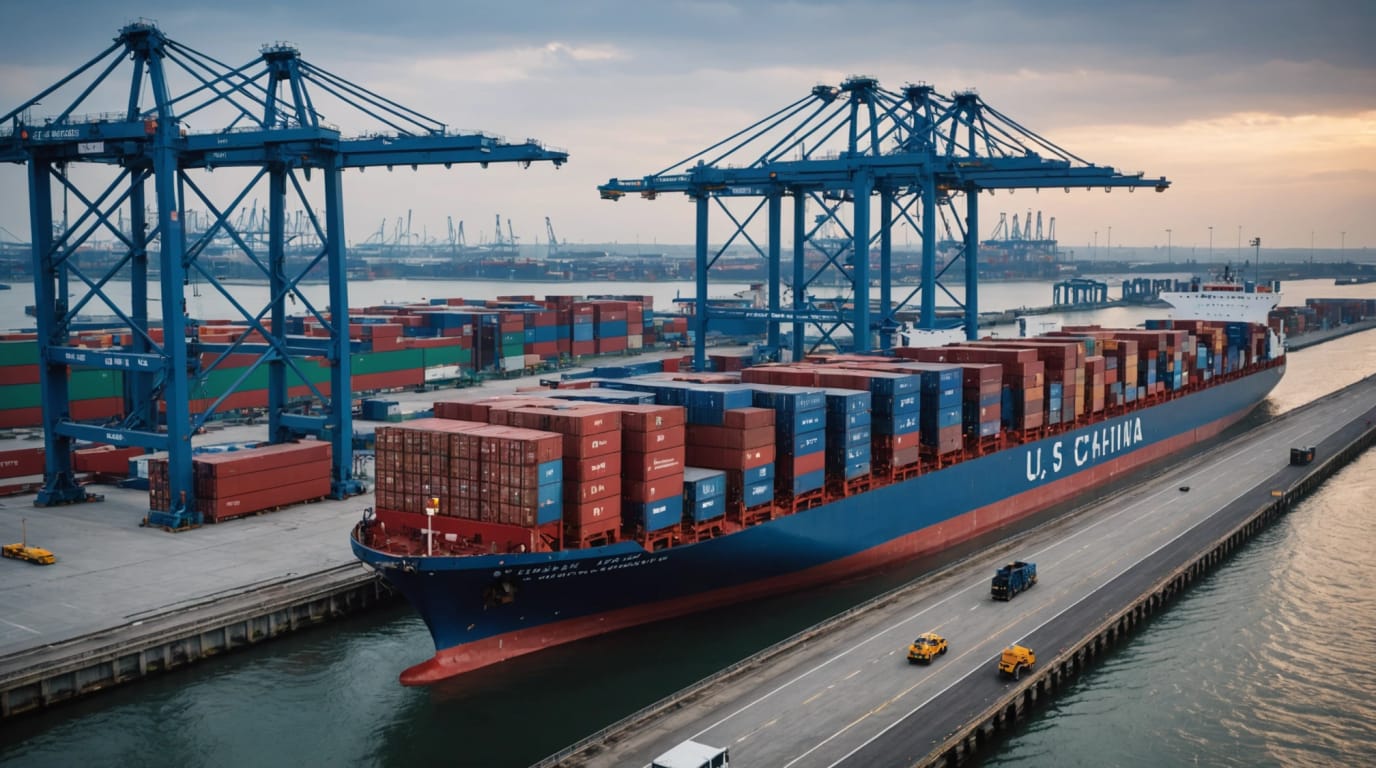
The escalating trade war between the United States and China, marked by tit-for-tat tariff hikes, is now impacting international business deals, including the potential sale of a strategically important container terminal in Poland. The Gdynia Container Terminal (GCT), a key port on Poland's Baltic coast, finds itself at the center of geopolitical tensions as the US seeks to curb China's influence in global trade routes.
Gdynkong in the Crosshairs
The Gdynia Container Terminal, operated by Hong Kong-based Hutchison Ports since 2005, has been dubbed "Gdynkong," a combination of Gdynia and Hong Kong. The port's strategic importance for both Poland and NATO has made it a focal point amid rising concerns about Chinese influence in European infrastructure. President Trump's administration has repeatedly alleged Chinese interference in the Panama Canal and has signaled a desire to counter China's growing economic power. This has led to discussions about a potential acquisition of stakes in ports, including GCT, by a US firm.
Tariff Escalation and Retaliation
The trade war between the US and China intensified recently, with both countries implementing significant tariff increases on each other's goods. Trump raised tariffs on Chinese imports to 125% after China increased taxes on US imports to 84%. These actions are the latest in a series of escalating measures that threaten to disrupt trade and raise prices for consumers. China's Ministry of Commerce has stated its determination to "fight to the end" if the US continues to escalate trade restrictions.
Impact on the Port Sale
The escalating tariffs have created uncertainty surrounding the potential sale of the Gdynia Container Terminal. While discussions about a US firm acquiring a stake in the port were underway, the trade war has complicated the situation. Beijing has launched an antitrust review into BlackRock's proposed acquisition of CK Hutchison's assets in the Panama Canal, signaling its displeasure with US efforts to counter its influence. The recent tariff hikes have further strained relations and could potentially derail the GCT deal.
Cheap Lease and Lost Control
Adding another layer of complexity, Hutchison Ports benefits from an exceptionally cheap lease on the land where GCT is located. The company leases the land from the City of Gdynia until 2089 for a mere 294,000 zlotys (€68,000 or $75,700) per year. This deal, signed in 2007, has been criticized as a loss of control over a key part of the strategic NATO port.
Broader Implications for European Ports
The situation in Gdynia is not unique. Chinese companies have been active in other European ports, including those in Belgium, Germany, Spain, Sweden, the Netherlands, and the UK. In 2023, the German government approved the sale of a 24.9% stake in a Hamburg port terminal to Chinese shipping company COSCO, despite security concerns. These investments highlight China's growing interest in European infrastructure and the potential for geopolitical tensions to arise.
Economic Consequences and Global Trade
The US-China trade war is having far-reaching economic consequences. The European Chamber of Commerce in China has warned that Trump's tariffs will significantly impact European companies exporting from China to the US, forcing them to rethink their business models and supply chains. The chamber predicts that this will lead to increased operational costs, inefficiencies, and ultimately higher prices for consumers. The trade war also threatens to derail China's efforts to reinvigorate its economy and could contribute to a global economic slowdown.
Conclusion: A Geopolitical Chess Match
The potential sale of the Gdynia Container Terminal is more than just a business transaction; it is a pawn in the larger geopolitical chess match between the United States and China. The escalating trade war, driven by concerns about economic dominance and national security, is creating uncertainty and impacting international investments. As the US seeks to counter China's influence and China defends its economic interests, the future of the Gdynia Container Terminal, and other strategic assets, hangs in the balance. The outcome will likely depend on the trajectory of the US-China relationship and the willingness of both sides to de-escalate tensions and find common ground.


