US Defense Secretary Dismisses "Misrepresented" Reports of Harsh Conditions Aboard Carrier in Persian Gulf

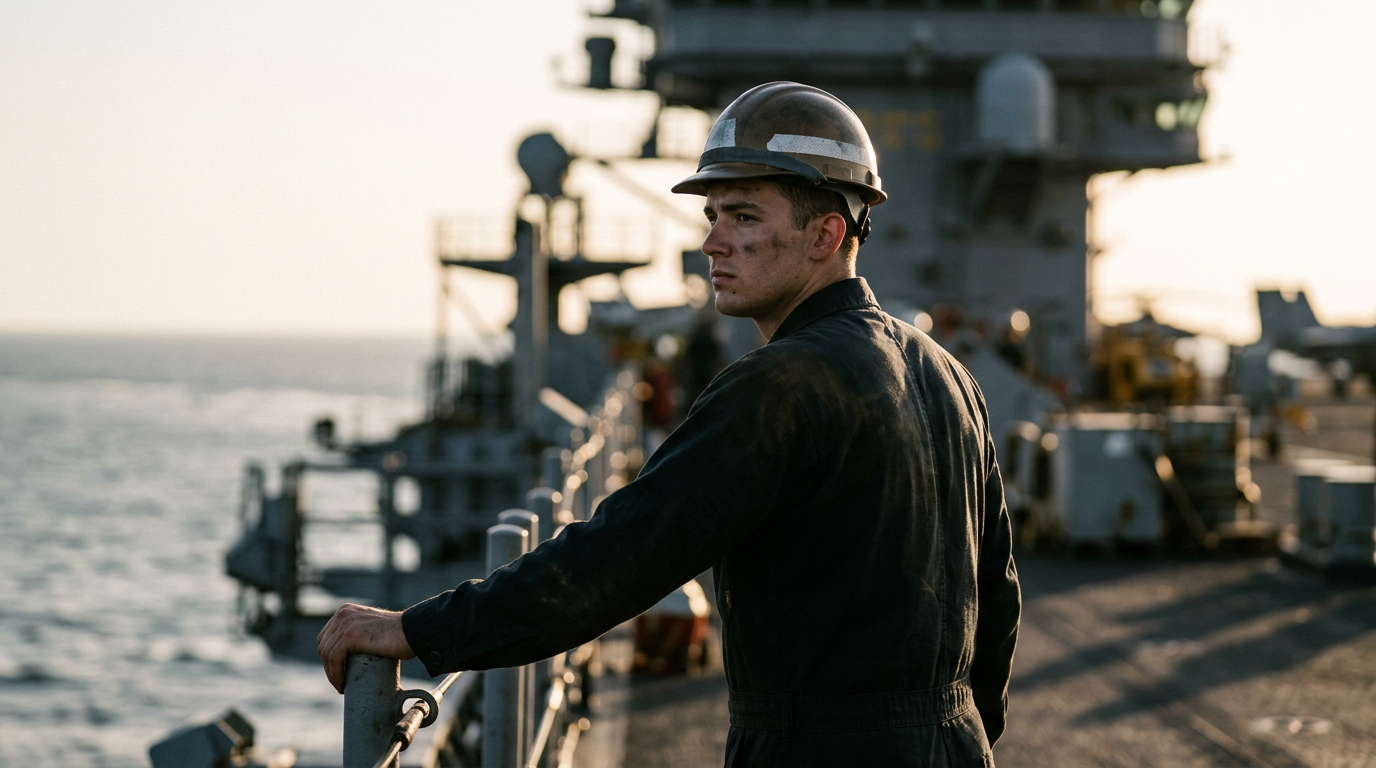
PANAMA CITY, Panama – The U.S. Defense Secretary has firmly pushed back against allegations of deteriorating living and working conditions aboard the aircraft carrier USS Abraham Lincoln, currently on an extended deployment in the volatile Persian Gulf region. The strong denial from Secretary Pete Hegseth comes amidst mounting concerns voiced by family members, military advocates, and Democratic lawmakers who report widespread hardships, including severe exhaustion, sanitation issues, and food shortages affecting the nearly 5,000 sailors and Marines on board.
Reports detailing the alleged trying circumstances on the USS Abraham Lincoln have gained significant traction, portraying a crew stretched thin by an unusually long deployment in a high-tension combat zone. Family members and some media outlets have painted a grim picture, citing moldy showers, non-operational toilets, and a scarcity of basic hygiene products. These concerns, some of which allege severe mental health strain and even suicide attempts, stand in stark contrast to the Pentagon's assertions of adequate support for its deployed forces.
Allegations of Deteriorating Morale and Living Standards
The USS Abraham Lincoln departed San Diego in November 2025 for what was initially expected to be a standard seven-month deployment. However, the carrier was rerouted to the Middle East as U.S.-Israeli attacks on Iran intensified, beginning in late February. The deployment has since been extended twice, with no clear end date, marking a modern record of 208 continuous days at sea for a U.S. aircraft carrier and over 250 days deployed. This prolonged operational tempo, combined with the strategic demands of operating in a combat zone, is at the heart of the concerns.
Reports from family members, shared with various news outlets, describe sailors enduring grueling 12-to-16-hour shifts with little to no time off, leading to widespread exhaustion. The absence of regular port calls, with the ship making only a single brief visit to Oman after 208 continuous days at sea, has further compounded the strain. Accounts have emerged of rationed food portions, including meals reportedly consisting of just two tortillas and a half-cup of rice, and ship stores frequently running out of essential items like soap, deodorant, and toothpaste.
Sanitation has also been a significant point of contention. Family members report issues ranging from moldy showers and a lack of hot water to non-operational toilets and laundry facilities that have been broken for weeks. There have also been mentions of water contamination, adding to the health and hygiene concerns. Beyond physical discomforts, the psychological toll of extended, high-stress operations appears substantial. Numerous reports highlight declining morale and mental health crises among the crew, with alarming anecdotes of sailors threatening to jump overboard or attempting suicide. One therapist on the ship reportedly warned that the crew needed to reach port soon to prevent them from "losing their minds." Even mail delivery has been affected, with care packages reportedly lost in transit for months, severing a vital link to home for many service members.
Official Rebuttal from the Pentagon
Defense Secretary Pete Hegseth, speaking to reporters during a visit to Panama, directly addressed these swirling reports, stating they were "completely misrepresented." Hegseth affirmed the Navy's commitment to ensuring every ship, crew, and captain has all necessary provisions. While acknowledging the inherent challenges of longer deployments, particularly in wartime, he emphasized his profound respect and gratitude for the sailors operating in such "austere conditions" with fewer port calls.
White House spokesperson Olivia Wales echoed this sentiment, asserting that President Donald Trump and Secretary Hegseth are dedicated to ensuring the U.S. military is "equipped with the resources necessary to counter any threat to the United States." An unnamed Navy official further clarified the Navy's stance, denying any identified increase in suicidal ideation or attempts aboard the USS Abraham Lincoln. This official attributed reported supply disruptions to "combat actions," clarifying that the Navy prioritizes "mission-critical supplies" in a hierarchy of food, then hygiene items, then mail. The official also asserted that recent reports from the ship confirm continuous access to clean water, functional air conditioning, and healthy meal options.
The Navy has also indicated that the deployment of another carrier, the USS George Washington, to replace the Abraham Lincoln was part of a pre-planned rotation. This suggests an effort to manage the operational tempo, though the timing coincides with heightened scrutiny of the Lincoln's extended tour.
Congressional Concerns and Strategic Implications
The allegations have not gone unnoticed in Washington. Democratic lawmakers have voiced strong displeasure and demanded accountability from military leadership. Senator Richard Blumenthal, a member of the Armed Services Committee, dispatched a letter to Secretary Hegseth outlining "widespread reports of shortages of basic supplies, water contamination, plumbing issues, deteriorating mental health, deck safety concerns, and disruptions in the mail system." Senator Blumenthal questioned the Navy's ability to sustain the current operational tempo demanded of its carrier force, highlighting the broader implications of these extended deployments. Senator Ruben Gallego also called for an official oversight visit by a bipartisan Senate delegation to the USS Lincoln to investigate the "alarming conditions."
The strategic context of the USS Abraham Lincoln's deployment underscores the immense pressure on the U.S. Navy. The carrier was redirected to the Middle East as part of a significant military buildup aimed at deterring Iran and supporting U.S. and Israeli operations. Its mission includes participating in Operation Epic Fury, involving the blockading of Iranian ports and securing critical sea lanes around the Strait of Hormuz. The Persian Gulf region is designated a combat zone, requiring continuous high alert due to the persistent threat of drone and missile attacks from Iran.
The Navy typically requires a rotation of three ships to ensure one is continuously deployed abroad: one in operation, one preparing to deploy, and one undergoing maintenance. However, ongoing crises and extended deployments, like that of the USS Abraham Lincoln and even other carriers such as the USS Gerald R. Ford, which has also faced extended deployments and plumbing issues, strain this system. Such prolonged tours contribute to fleet exhaustion, maintenance backlogs, and, critically, crew demoralization, raising concerns about the long-term sustainability of U.S. naval power projection globally.
Balancing Presence with Personnel Well-being
The conflicting narratives surrounding the USS Abraham Lincoln highlight a critical tension for the U.S. Navy: maintaining a robust global presence in strategically vital regions while simultaneously safeguarding the well-being of its service members. The Persian Gulf remains a linchpin of global energy security and a flashpoint of geopolitical competition, making the continuous presence of U.S. naval assets, particularly aircraft carriers, a cornerstone of deterrence and stability.
However, the human cost of extended deployments in high-stress environments cannot be overlooked. The detailed accounts from families and lawmakers regarding the Abraham Lincoln, regardless of official disputes, underscore the immense personal sacrifices made by those who serve. As the U.S. military navigates complex global challenges, the balance between operational readiness and the comprehensive support for its personnel will remain a subject of intense scrutiny and debate. The coming weeks may see further developments as congressional inquiries proceed and the fate of the USS Abraham Lincoln's current deployment is determined.
Related Articles


Ratko Mladić, "Butcher of Bosnia" and Convicted War Criminal, Dies at 84
THE HAGUE, Netherlands – Ratko Mladić, the former Bosnian Serb military commander known as the "Butcher of Bosnia" and convicted of genocide, war crimes, and crimes against humanity, has died at the age of 84. Serbian...

Long-Awaited 9/11 Mastermind Trial Set for 2028, Decades After Attacks
GUANTANAMO BAY, Cuba – Nearly a quarter-century after the devastating terror attacks of September 11, 2001, a military judge has finally set a trial date for Khalid Sheikh Mohammed, the alleged mastermind behind the...