US Forces Seize Russian-Flagged Tanker Linked to Venezuela After Atlantic Pursuit
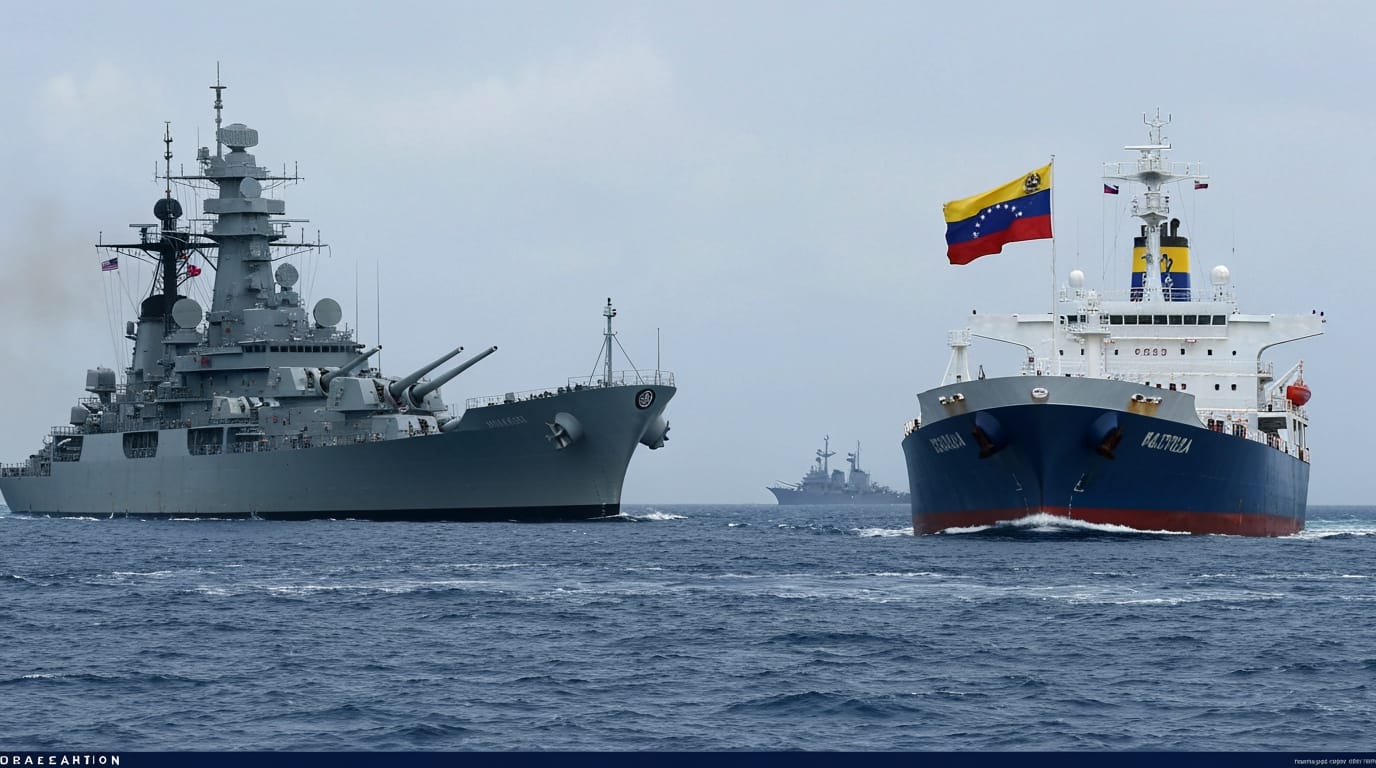
WASHINGTON — United States forces have successfully seized the Russian-flagged oil tanker Marinera in the North Atlantic, concluding a weeks-long pursuit of the vessel suspected of illicit oil trading with Venezuela. The high-stakes operation, which involved the US Coast Guard and military assets, unfolded amidst the close proximity of Russian naval vessels, including a submarine and warship, highlighting escalating tensions in international waters.
The dramatic interception marks a significant escalation in Washington's ongoing pressure campaign against the Venezuelan government of Nicolás Maduro and its allies. US officials confirmed that federal law enforcement personnel are now onboard the tanker, formerly known as Bella-1, which was targeted for its alleged involvement in a "shadow fleet" circumventing US sanctions.
The High Seas Confrontation
The saga of the Marinera began last month when the US Coast Guard first attempted to intercept the vessel near Venezuela. The tanker reportedly rebuffed efforts to board it, subsequently changing its flag to Russian and its name from Bella-1 to Marinera. Russian state media even reported that the crew hastily painted a Russian flag on the hull in an apparent bid to assert sovereign protection. The pursuit then extended across the Atlantic, culminating in its seizure near Iceland.
US officials, speaking on condition of anonymity, described the operation as proceeding without interference from the Russian naval assets that had been shadowing the tanker. The deployment of a Russian submarine and warship to escort the Marinera underscored Moscow's protective stance over the vessel and its perceived challenge to US enforcement actions. The US Department of Justice had previously obtained a seizure warrant for the Marinera, citing its alleged prior involvement in the Iranian oil trade.
Sanctions and Shadow Fleets
The seizure of the Marinera is part of a broader US strategy to disrupt what it calls a "shadow fleet" of vessels used by sanctioned nations like Venezuela, Iran, and Russia to illicitly transport oil and generate revenue. This network, according to the US Treasury Department, is designed to funnel resources to the Venezuelan government in defiance of international sanctions.
US sanctions against Venezuela's oil industry have been in place since 2017 and were significantly expanded in 2019, targeting the state-owned oil company PDVSA and its associated entities. These measures aim to pressure the Maduro administration by limiting its access to global financial markets and curtailing its primary source of income. While some sanctions were temporarily lifted in October 2023, many were reimposed in April due to concerns about the lack of fair elections in Venezuela and persistent corruption and narcotrafficking. The US also alleges that the Maduro government uses these vessels to facilitate drug trafficking.
This is not the first such action by US forces. In recent weeks, at least two other tankers, the Skipper and the Centuries, linked to Venezuelan oil shipments, have been intercepted by US authorities. The Skipper was seized off the coast of Venezuela in December, followed by the boarding of the Centuries.
A Geopolitical Chessboard
The confrontation over the Marinera unfolds within a complex geopolitical landscape, marked by heightened tensions between the US, Venezuela, and Russia. The operation comes just days after US special forces reportedly captured Venezuelan President Nicolás Maduro and transported him to the United States to face charges related to alleged drug trafficking. Venezuelan officials have vehemently condemned Maduro's capture as a kidnapping and an attempt by the US to seize the country's vast oil reserves.
The presence of Russian naval assets during the Marinera's pursuit adds another layer of international friction. Russia has been a staunch ally of Venezuela, providing economic and military support, and has criticized US intervention in Latin America. The reported dispatch of Russian warships to protect the tanker underscores Moscow's willingness to challenge US maritime enforcement in sensitive areas. This maritime standoff also occurs at a sensitive moment in global diplomacy, with ongoing negotiations concerning a potential peace deal in Ukraine.
International Law and Reprisals
The legality of these US seizures in international waters has drawn strong condemnation from Venezuela and Russia, and scrutiny from international legal experts. Venezuela has decried the US actions as "blatant theft" and "an act of international piracy." In response to the intensified US pressure, Venezuela's National Assembly recently passed an "anti-piracy" law. This legislation imposes severe penalties, including prison sentences of 15 to 20 years, for individuals or entities that "support, promote, finance or participate in acts of piracy, blockade, or other internationally illegal acts" against legitimate business dealings with Venezuela.
United Nations experts have also weighed in, denouncing the US ship seizures near Venezuela as a "maritime blockade" and a violation of fundamental rules of international law. They assert that a blockade constitutes a prohibited use of military force against another country under Article 2(4) of the UN Charter, and potentially an act of armed aggression. However, US officials have often framed these actions as "quarantines" rather than blockades, maintaining that they are law enforcement operations targeting illegal activity.
Looking Ahead: Escalation or Resolution?
The seizure of the Marinera signifies a hardening of the US stance against Venezuela and its partners, raising concerns about the potential for further escalation in maritime disputes. The incident could have significant implications for international shipping, particularly for vessels operating in regions subject to unilateral sanctions. It also tests the boundaries of international maritime law and the sovereignty of nations.
With the capture of Maduro and the ongoing enforcement of sanctions, the US appears committed to its strategy of economic pressure and interdiction. The reactions from Venezuela and Russia indicate a resolute opposition to these tactics, suggesting that similar confrontations may occur in the future. The international community watches closely to see how this delicate balance of power and law will evolve in the coming months, and whether diplomacy can ultimately prevail over escalating maritime tensions.


