US Funding Shifts Threaten Decades of African Health Progress
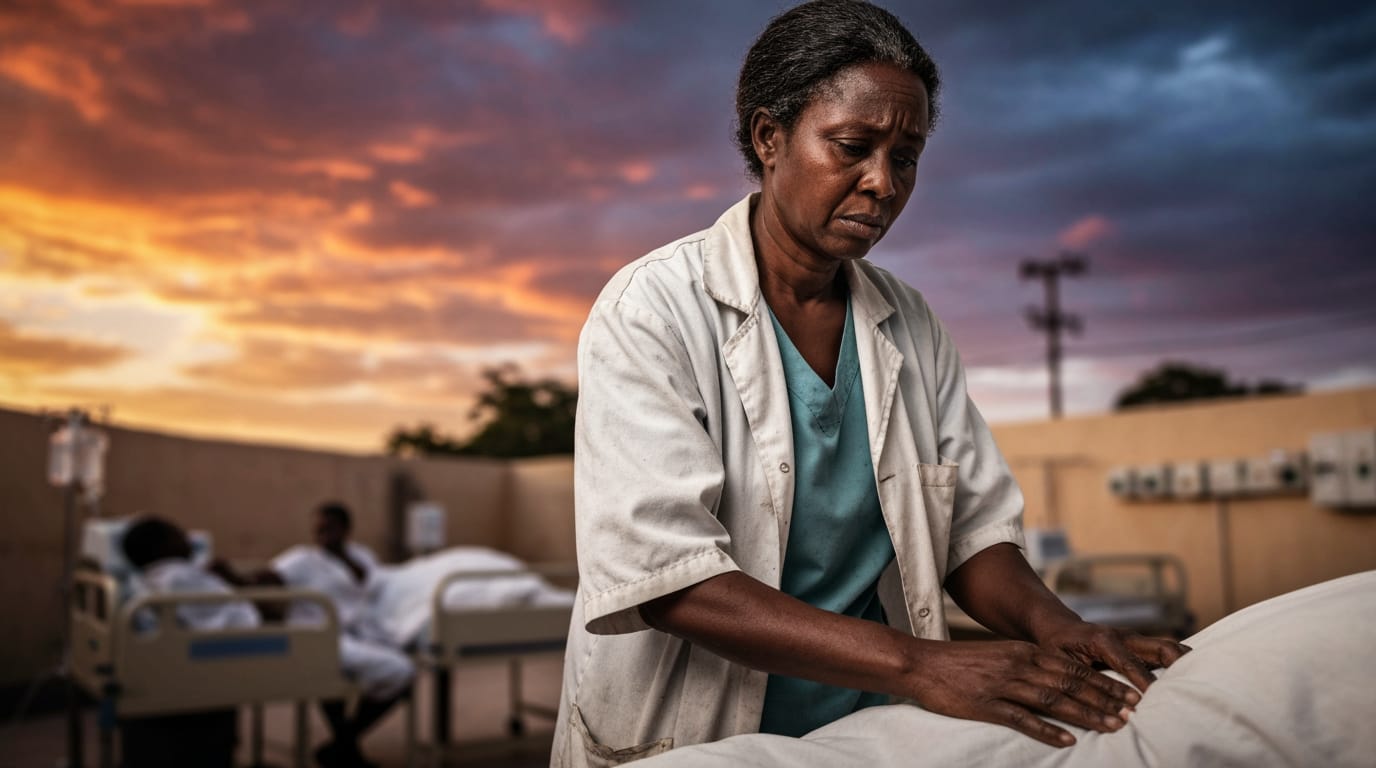
Nairobi, Kenya – A seismic shift in United States global health funding strategy, particularly the recent formalization of a withdrawal from the World Health Organization and extensive cuts to foreign aid, is casting a long shadow over Africa, imperiling decades of hard-won health achievements across the continent. While the Biden administration had earlier reversed a previous withdrawal from the WHO, a re-emergent "America First" global health strategy has dramatically reconfigured the landscape of international health assistance, moving away from multilateral engagement towards bilateral deals focused on U.S. national interests, with profound implications for African populations and health systems.
The United States has historically been the preeminent donor to global health initiatives, including the World Health Organization (WHO), the Global Fund to Fight AIDS, Tuberculosis and Malaria, and Gavi, the Vaccine Alliance. This significant financial commitment, channeled through both assessed and voluntary contributions, has been instrumental in combating major diseases and strengthening health infrastructure in developing nations, particularly across Africa. However, the landscape of U.S. global health engagement has undergone a radical transformation. Starting in January 2025, under a projected second Trump administration, the U.S. initiated a year-long withdrawal from the WHO, which formally concluded on January 22, 2026. This move, accompanied by a sweeping pause on foreign assistance and the dismantling of the U.S. Agency for International Development (USAID) as an operational agency, signaled a deliberate redefinition of the U.S. relationship with global health. This "America First Global Health Strategy" prioritized surveillance, outbreak notification, and supply-chain resilience, viewing global health primarily as a tool for protecting Americans from external threats, rather than a shared multilateral endeavor.
Decades of Progress Hang in the Balance
For years, consistent international support, notably from the U.S., fueled significant advancements in public health across Africa. Programs targeting HIV/AIDS, malaria, and polio eradication saw remarkable success, transforming lives and dramatically reducing mortality rates. The President's Emergency Plan for AIDS Relief (PEPFAR), for instance, has been a cornerstone of HIV response, saving millions of lives through treatment and prevention programs across the continent. Similarly, the Global Polio Eradication Initiative (GPEI), heavily reliant on international donors, has built robust infrastructure that supports critical health services beyond polio, contributing to vaccine-preventable disease surveillance and emergency response in African regions. Malaria control efforts, bolstered by funding from the Global Fund and other partners, have led to wider deployment of insecticide-treated nets and new malaria vaccines, saving tens of thousands of young lives annually.
However, the recent shifts in U.S. funding priorities and the operationalization of its new global health strategy are directly undermining these gains. The termination of U.S. support linked to Gavi, the Vaccine Alliance, has disrupted immunization programs dependent on predictable funding. The uncertainty surrounding PEPFAR funding has already led to concerns about long-term system investments. Countries like Nigeria have reportedly lost over $600 million in health funding, equivalent to more than a fifth of its annual health budget, while Botswana, a middle-income country, saw a third of its HIV response funding withdrawn. Such reductions threaten a resurgence of diseases, with officials estimating a rise in new HIV infections, drug resistance, and AIDS-related deaths due although exact quantification remains difficult due to data gaps. The World Health Organization has warned that without sustained funding, Africa could experience an additional 112 million malaria cases and 280,700 deaths between 2027 and 2029.
A Cascade of Consequences for African Health Systems
The repercussions extend beyond specific disease programs, impacting the foundational elements of African health systems. The WHO has expressed regret over the U.S. withdrawal, warning that it makes both the United States and the world less safe by disrupting vital programs like vaccination campaigns, maternal and child health, and health emergency preparedness in low- and middle-income countries. The cessation of USAID foreign assistance and its absorption into the State Department has crippled health systems in Africa, where many countries relied on this funding for crucial programs and outbreak responses.
The impact of these cuts is multifaceted:
- Infrastructure and Workforce: USAID's historical role in building clinics, training healthcare personnel, and enhancing supply chains for medications and vaccines is now severely curtailed. This disruption leaves healthcare facilities under-equipped and exacerbates existing shortages of skilled health workers.
- Disease Surveillance and Emergency Response: The withdrawal from the WHO and diminished multilateral engagement weaken the shared governance architecture for outbreak preparedness and response. Disease surveillance, crucial for early detection and containment, depends on trust and reciprocity that are eroded by such unilateral actions. This leaves the U.S. itself more exposed to emerging threats by slowing detection and response efforts.
- Vulnerable Populations: Cuts disproportionately affect vulnerable populations, including women, children, and marginalized communities, potentially widening health disparities. Immunization programs and sexual and reproductive health services have already seen disruptions and fragmentation.
Towards Health Sovereignty: Africa's Response
In the face of diminishing external support, African nations are increasingly advocating for "health without aid" and exploring strategies for greater health sovereignty. Leaders at the Accra Health Sovereignty Summit in August 2025 committed to mobilizing domestic resources, pooling procurement, and investing in regional manufacturing of medicines and vaccines. Institutions like the Africa Centres for Disease Control and Prevention (Africa CDC), established in 2017, are demonstrating their value by providing a platform for strengthening national health systems and responding to outbreaks.
Some countries have already begun to take action. Nigeria's legislature approved an additional $200 million for its health sector in its 2025 spending plan to offset U.S. funding shortfalls, focusing on vaccines and treatments for epidemic diseases. Ghana's President has directed the Finance Minister to bridge funding gaps resulting from suspended USAID financing. This pivot towards domestic financing and regional self-reliance, while challenging, presents an opportunity to build more resilient and sustainable health systems across the continent. However, this transition is not without significant hurdles, as many African governments historically allocate less than 10% of their GDP to health, falling far short of the estimated annual investment needed.
The Interconnected Web of Global Health
The retreat of a major donor like the United States from multilateral health initiatives has exposed the inherent vulnerability of a global health system overly reliant on a few key funders. While the Biden administration had initially reaffirmed the U.S.'s commitment to the WHO and global health security, the long-term impact of the "America First" strategy, with its emphasis on bilateral deals and reduced multilateral engagement, continues to reshape the global health architecture. The consequences for Africa are immediate and practical, weakening the collective capacity to respond to health crises and undermining the foundations of public health for millions. Ultimately, global health security is a shared responsibility, and the health of one region remains inextricably linked to the health of all.


