US Imposes Visa Bans on Former EU Commissioner and Activists Over Social Media Regulations
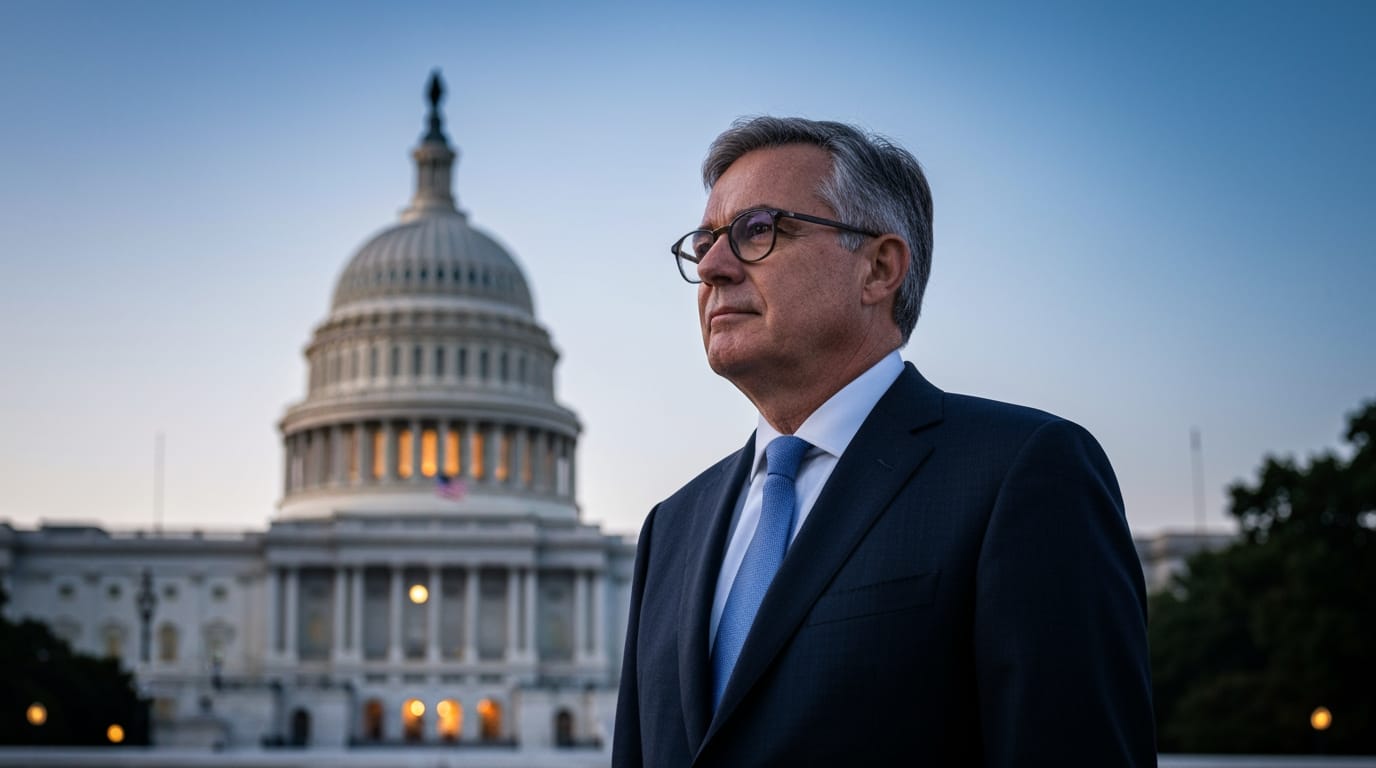
WASHINGTON – The United States has escalated its stance against European Union digital regulations, announcing visa bans on a former EU Commissioner and four other individuals whom it accuses of orchestrating efforts to censor American social media platforms and suppress free speech. The move, disclosed by the US State Department on Tuesday, December 23, 2025, marks a significant increase in transatlantic tensions over the governance of online content and the operation of American technology companies abroad.
The State Department's action targets Thierry Breton, who served as the European Commissioner for Internal Market from 2019 to 2024, alongside four leaders of non-governmental organizations: Imran Ahmed, CEO of the Centre for Countering Digital Hate; Josephine Ballon and Anna-Lena von Hodenberg of the German organization HateAid; and Clare Melford, who runs the Global Disinformation Index. These individuals are now generally barred from entering the United States under a new visa policy announced in May 2025 by Secretary of State Marco Rubio, which targets foreign nationals deemed responsible for "censorship of protected expression."
The Spark: Allegations of Coercion and Censorship
Secretary Rubio stated that the targeted individuals are "radical activists" and "weaponized NGOs" who have engaged in "organized efforts to coerce American platforms to censor, demonetize, and suppress American viewpoints they oppose." He emphasized that these actions represent "extraterritorial censorship" that the Trump administration will no longer tolerate.
Central to the US objections is the European Union's Digital Services Act (DSA), a landmark piece of legislation described by the State Department as having Breton as its "mastermind." The US views the DSA as a tool that stifles free speech and imposes undue costs and burdens on American technology companies operating in Europe. Vice President JD Vance had previously labeled the EU's regulations as a "terrible mistake" not just for the US, but also for Europe itself, particularly highlighting the DSA's impact on content moderation and the policing of misinformation.
The Digital Services Act: Europe's Regulatory Framework
The Digital Services Act, a cornerstone of the EU's digital strategy, is designed to regulate large online platforms by imposing stringent standards for content moderation, transparency, and accountability. It mandates that major platforms clearly explain their content moderation decisions, provide transparency to users, and grant researchers access to data for essential studies, such as understanding children's exposure to harmful content. Furthermore, the DSA aims to combat illegal content, hate speech, and misinformation, ensuring a safer and fairer online environment for European citizens.
EU officials have consistently defended the DSA, asserting that its rules apply equally and fairly to all companies operating within the bloc, regardless of their origin. A spokesperson for the European Commission reiterated that the regulations are designed to create a safe and equitable environment and that claims of censorship are "completely unfounded."
Escalating Tensions: A Broader Transatlantic Rift
This latest action by the US State Department comes amid a broader and intensifying conflict between Washington and Brussels concerning the regulation of "big tech." The Trump administration has openly criticized European countries for what it perceives as discriminatory regulations and fines disproportionately targeting US companies.
Earlier in December, the US Trade Representative (USTR) warned of "reciprocal measures" against the EU's regulatory practices, including potential fees or restrictions on European service providers. The USTR specifically named several prominent European companies, such as Accenture, DHL, Mistral, Siemens, and Spotify, as potential targets for such retaliatory actions. This warning followed a significant incident where the EU fined X (formerly Twitter) approximately $140 million (120 million euros) for violating DSA transparency and content regulations, particularly regarding its "deceptive blue checkmark system" and advertising repository. This fine reportedly fueled outrage within the Trump administration, with Vice President Vance characterizing it as an act of censorship.
Reactions and Future Implications
Thierry Breton reacted sharply to the visa ban, denouncing it as a "witch hunt" and drawing parallels to the McCarthy era in the US. He conveyed a message to "American friends" that "Censorship isn't where you think it is." US tech companies, including Meta Platforms, have largely supported the administration's criticisms, contending that the DSA restricts their free speech and imposes burdensome compliance requirements.
The decision to impose visa bans signals a firm commitment from the Trump administration to counter foreign regulations it believes infringe upon American interests and free speech principles. While the EU maintains its right to regulate its digital markets, the US is employing immigration law as a tool to pressure its allies. This unprecedented escalation underscores a deepening ideological divide over digital governance, with significant diplomatic and economic ramifications for both sides of the Atlantic. The ongoing dispute portends further clashes as both the US and EU continue to assert their regulatory authority in the rapidly evolving digital landscape.


