US-South Africa Relations Plunge as Ambassador Rasool Expelled
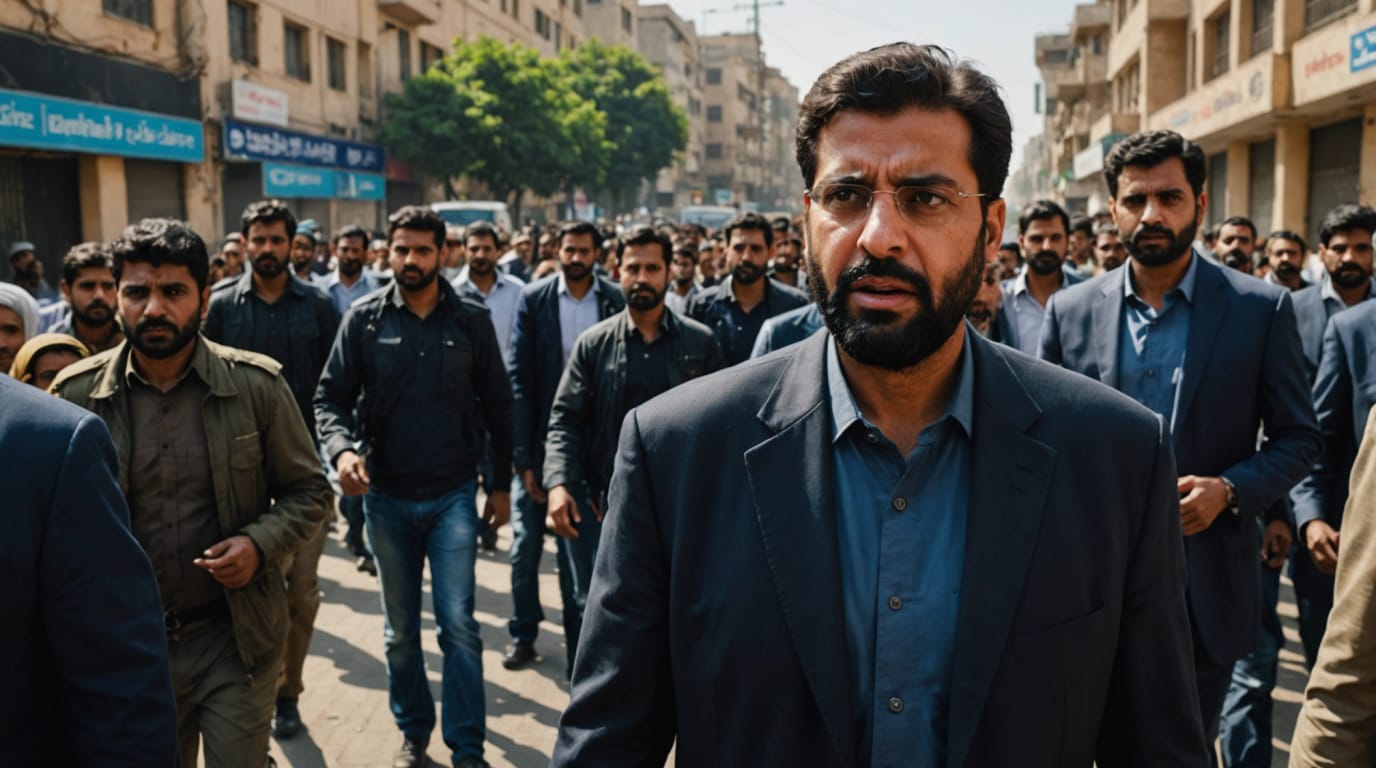
The expulsion of South African Ambassador Ebrahim Rasool from the United States has sent shockwaves through the diplomatic community, marking a significant downturn in the already strained relationship between Washington and Pretoria. The move, triggered by controversial remarks made by Rasool, has ignited a firestorm of debate and uncertainty about the future of US-South Africa relations.
A Diplomatic Earthquake
On March 14, 2025, U.S. Secretary of State Marco Rubio declared Ambassador Rasool persona non grata in a post on X, accusing him of being a "race-baiting politician who hates America and hates [President Donald Trump]." This unprecedented action, rarely taken against a foreign ambassador, forced Rasool to leave the U.S., and has brought bilateral relations to a new low. The expulsion followed comments Rasool made at a South African think tank conference, where he stated that the MAGA movement is driven by a “white supremacist instinct.” These remarks, coupled with Rasool's pro-Palestinian views and criticism of Israel, further strained his relationship with U.S. politicians.
Rasool's Background and Tenure
Ebrahim Rasool is a veteran diplomat and a prominent figure in South Africa's anti-apartheid movement. He previously served as South Africa's ambassador to the U.S. during President Barack Obama's administration from 2010 to 2015. During his first tenure, Rasool cultivated a network across Washington, which Pretoria believed would be crucial in navigating the complex diplomatic landscape of Trump's Washington. However, his recent criticism of the Trump administration proved to be the breaking point.
South Africa's Response and Stance
Upon his return to South Africa, Rasool received a hero's welcome from supporters. He addressed the crowd, stating that he wore his "persona non grata" status as a "badge of dignity" and had "no regrets" about the actions that led to his expulsion. Rasool emphasized the need to rebuild and reset South Africa's relationship with the United States, despite the current challenges. He also highlighted South Africa's commitment to its principles, particularly its support for the Palestinian cause, even if it meant facing criticism from the U.S. Rasool noted that South Africa's attempts to dispel the false narrative of a "white genocide" in South Africa were not successful.
Broader Implications for US-South Africa Relations
The expulsion of Ambassador Rasool is the latest in a series of events that have strained US-South Africa relations. South Africa's decision to accuse Israel of genocide in Gaza, its push to expand the BRICS bloc as a counterweight to the U.S. dollar, and the Trump administration's focus on South Africa's land expropriation laws have all contributed to the growing tensions. In addition, President Trump issued an executive order last month cutting all funding to South Africa, alleging its government is supporting the Palestinian militant group Hamas and Iran, and pursuing anti-white policies at home.
The Path Forward
The future of US-South Africa relations remains uncertain. While Rasool has called for a "bold reset" in the relationship, significant challenges remain. The U.S. views South Africa's foreign policy decisions as undermining U.S. security interests and attacking a close ally. South Africa, on the other hand, maintains its right to pursue an independent foreign policy based on its values and principles. The appointment of Rasool's replacement as Ambassador has yet to be announced by President Cyril Ramaphosa, who indicated that this decision would not be made hastily. The choice of the next ambassador will be a crucial signal of South Africa's intentions and its commitment to repairing the damaged relationship.
The expulsion of Ambassador Rasool represents a significant turning point in US-South Africa relations. It underscores the deep divisions and differing values that have long characterized the relationship. While both countries have expressed a desire to maintain functional ties, the path forward will require careful diplomacy and a willingness to address the underlying issues that have led to the current crisis. Whether this standoff leads to a lasting fracture or a recalibration of their strategic ties remains to be seen.


