Vatican Braces for Pope Francis's Funeral as Mourners Flock to Rome
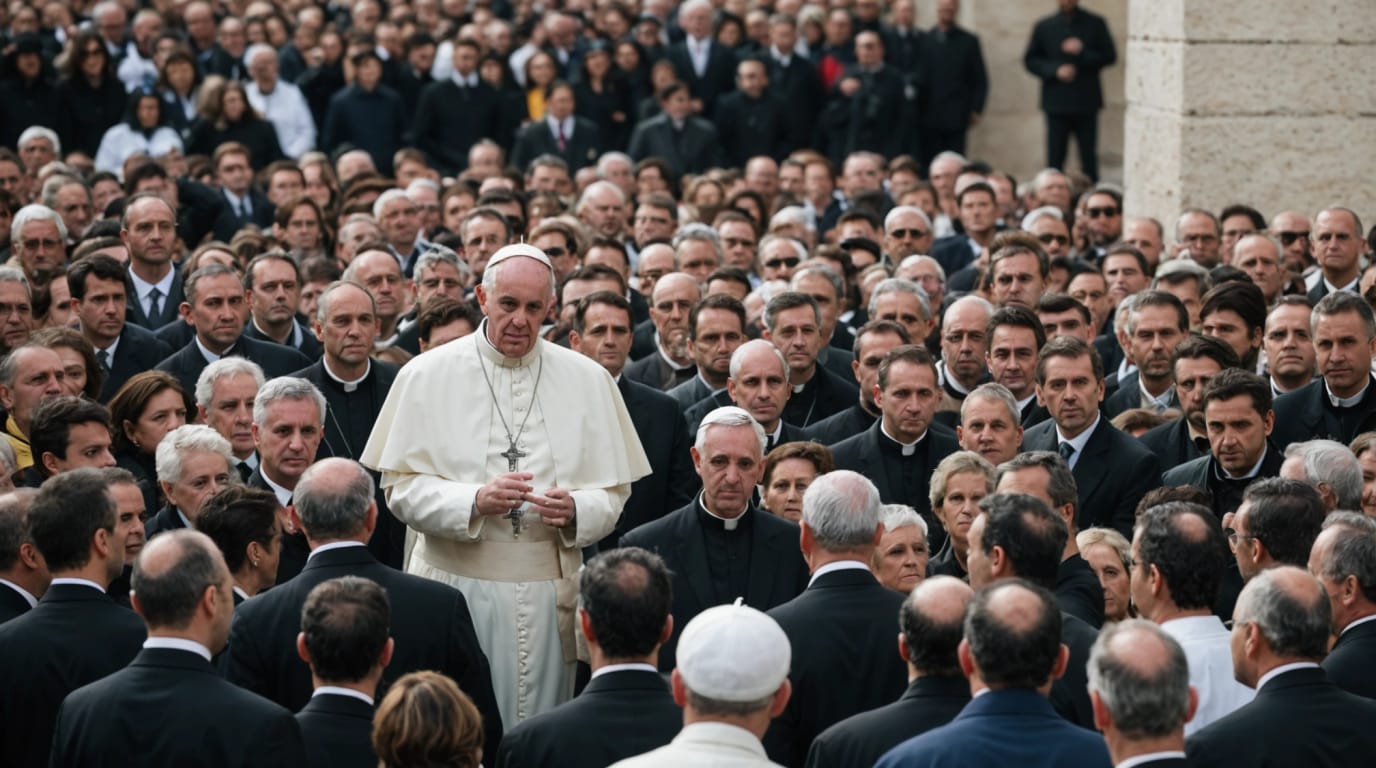
VATICAN CITY – The Vatican is making its final preparations for the funeral of Pope Francis, scheduled for Saturday in St. Peter's Square, as the last of the massive crowds of mourners filed through St. Peter's Basilica on Friday to pay their respects to the late pontiff. The city is bracing for an influx of hundreds of thousands of people, including world leaders, religious figures, and pilgrims from across the globe, all converging to honor the life and legacy of the Catholic Church's first Latin American pope.
Global Leaders and Dignitaries Arrive
More than 130 foreign delegations are expected to attend the funeral, including approximately 50 heads of state and 10 monarchs. Among the confirmed attendees are U.S. President Donald Trump, Ukrainian President Volodymyr Zelensky, Britain's Prince William, and Argentinian President Javier Milei. Their presence underscores the global impact and influence of Pope Francis during his 12-year papacy. The arrival of such a large number of dignitaries has triggered heightened security measures throughout Rome.
Security at an All-Time High
Italian and Vatican authorities have implemented stringent security protocols in and around the Vatican City. A no-fly zone is in effect, drones are blocked, and snipers have been positioned on rooftops. Fighter jets are on standby to ensure the safety and security of the area. Additional checkpoints will be activated Friday night, further tightening control over access to the Vatican. The Interior Minister, Matteo Piantedosi, announced that big screens would be set up along the route of the funeral procession. Law enforcement agencies are working in close coordination to manage the expected surge of mourners and maintain order.
Public Pays Respects During Lying in State
Prior to the funeral, Pope Francis's body has been lying in state at St. Peter's Basilica, allowing the public to pay their final respects. Over 128,000 people have already queued for hours to view the Pope's open coffin. The Vatican has extended the viewing hours for two consecutive nights to accommodate the long lines of mourners, only closing the doors between 2:30 a.m. and 5:40 a.m. On Friday, the coffin will be closed at 8:00 p.m. in a ceremony attended by senior cardinals. Cardinal Kevin Farrell, the camerlengo who is running the Vatican's day-to-day affairs until a new pope is elected, will preside over the "Rite of the Sealing of the Coffin."
A Champion of the Underdog
Pope Francis, who died on Monday at the age of 88 after weeks of battling severe pneumonia, was known for his progressive views and his dedication to serving the marginalized. He championed the cause of the poor, refugees, and other vulnerable populations, often speaking out against social injustice and inequality. In his last speech, he criticized those who incite "contempt... towards the vulnerable, the marginalized, and migrants." The pontiff's commitment to these issues resonated with many, earning him widespread admiration and respect, even from those outside the Catholic faith. The Vatican has stated that a group of "poor and needy" will be present at Santa Maria Maggiore to welcome the coffin.
Burial Plans and Future of the Papacy
Following the funeral service on Saturday, Pope Francis's coffin will be driven at a walking pace to his favorite church, the papal basilica of Santa Maria Maggiore, where he will be buried. The hearse will pass through Rome's Fori Imperiali, the site of the city's ancient temples, and then by the Colosseum. He will be interred in the ground, his simple tomb marked with just one word: Franciscus. People will be able to visit the tomb from Sunday morning. With Pope Francis's passing, the focus will soon shift to the selection of his successor. The process of choosing a new pope, known as a conclave, will involve the College of Cardinals, who will gather in secrecy to elect the next leader of the Catholic Church. The identity of the leading candidates and the direction the Church will take under new leadership remain subjects of intense speculation.
The death of Pope Francis marks the end of an era for the Catholic Church. His emphasis on social justice, his outreach to marginalized communities, and his efforts to reform the Vatican have left an indelible mark on the institution and the world. As the world gathers to bid farewell, the legacy of Pope Francis will continue to inspire and challenge people of all faiths for generations to come.


