Venezuela Agrees to Resume US Repatriation Flights After Diplomatic Row
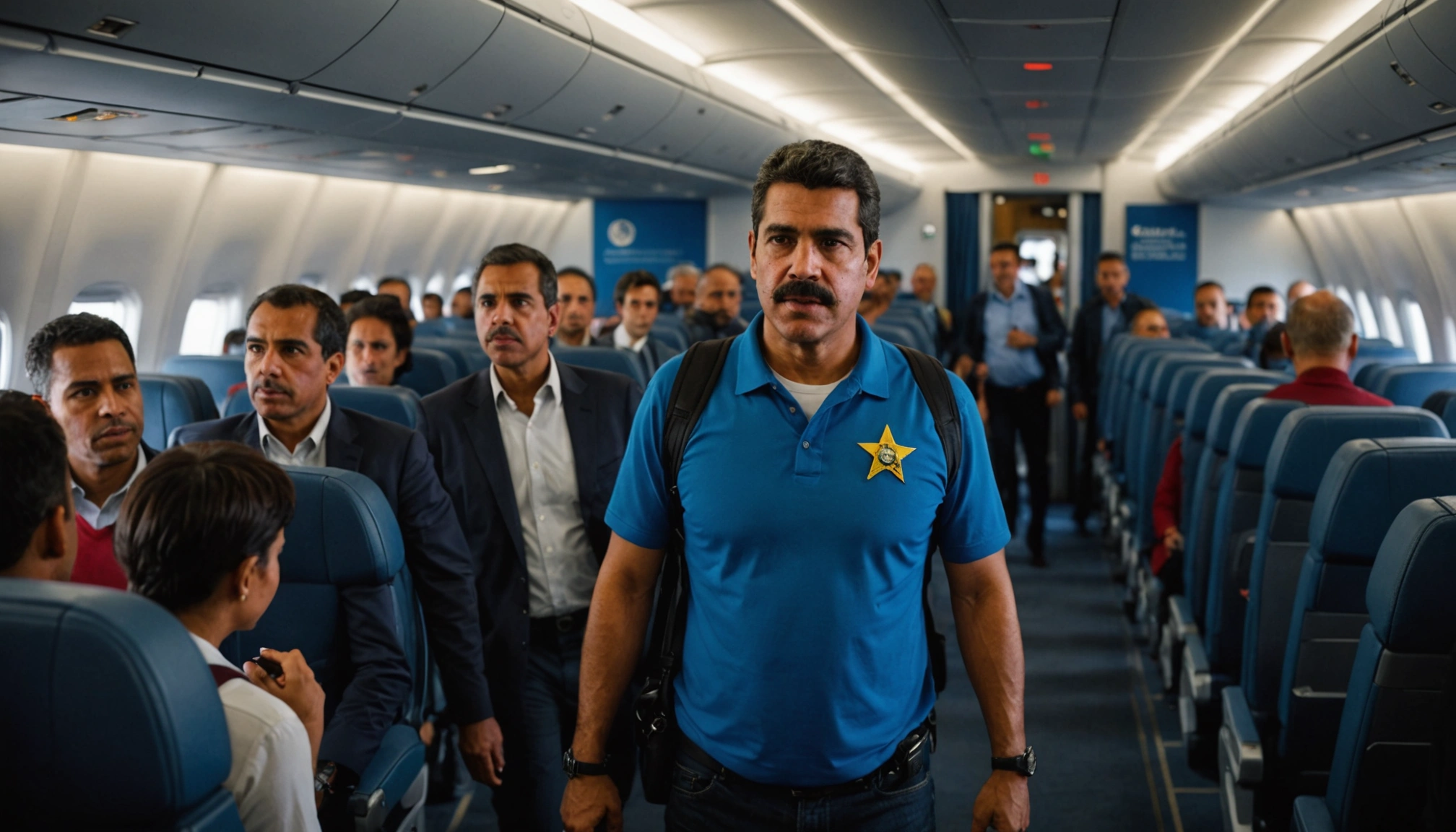
Venezuela has agreed to once again accept repatriation flights from the United States carrying deported Venezuelan nationals, marking a resolution to a recent diplomatic dispute between the two countries. The agreement, announced Saturday by Venezuelan official Jorge Rodríguez, comes after President Nicolás Maduro suspended the flights earlier this month. The resumption is scheduled to begin Sunday, according to Rodríguez.
The decision follows a period of heightened tension, triggered by the U.S. Treasury Department's withdrawal of Chevron's license to export Venezuelan oil on March 8. This action by the U.S. government led to Maduro's initial suspension of the repatriation flights.
Suspension and Negotiations
Maduro's initial suspension of the flights on March 8 was a direct response to the U.S. Treasury Department's decision regarding Chevron's oil export license. The Venezuelan government viewed the U.S. action as a hostile move, prompting the suspension as a retaliatory measure.
Following the suspension, negotiations between the two countries ensued, led by Rodríguez, who also serves as the president of Venezuela's National Assembly. These talks aimed to address Venezuela's concerns and find a resolution that would allow the repatriation flights to resume.
Concerns Over Deportations to El Salvador
Adding another layer of complexity to the situation was the deportation of approximately 250 Venezuelans to a high-security prison in El Salvador under the administration of former U.S. President Donald Trump. Rodríguez criticized these deportations, emphasizing that "migrating is not a crime." He further stated that Venezuela would not rest until all those who require it are returned and until they "rescue our brothers kidnapped in El Salvador."
Maduro echoed these sentiments during a public event, stating that Venezuela is resuming flights "to rescue and release migrants from U.S. prisons." He also held El Salvador's President Nayib Bukele responsible for the well-being of the deported Venezuelans, demanding their release.
The U.S. government under President Trump had alleged that the deported individuals were members of Tren de Aragua, a notorious Venezuelan criminal gang. However, Venezuelan officials have denied these claims.
Terms of the Agreement
While specific details of the agreement remain undisclosed, Rodríguez stated that Venezuela agreed to resume the flights to guarantee "the return of our compatriots to their nation with the safeguard of their Human Rights." This suggests that the agreement includes provisions to ensure the humane treatment and protection of the rights of returning Venezuelan nationals.
Maduro's statement about rescuing migrants from U.S. prisons indicates that the agreement may also address the situation of Venezuelans currently detained in the U.S., potentially facilitating their return to Venezuela.
Implications and Future Outlook
The resumption of repatriation flights marks a step toward normalizing relations between the U.S. and Venezuela, albeit a cautious one. The agreement demonstrates a willingness on both sides to engage in dialogue and find common ground on issues of mutual concern.
However, significant challenges remain. The underlying political and economic issues that have strained relations between the two countries persist. The U.S. continues to maintain sanctions against the Maduro regime, while Venezuela faces ongoing economic difficulties and a humanitarian crisis.
The long-term impact of the agreement on repatriation flights will depend on the broader trajectory of U.S.-Venezuela relations. If the two countries can build on this initial step and find ways to address their differences, further cooperation may be possible. However, if tensions escalate again, the agreement could be jeopardized.
The resumption of repatriation flights offers a glimmer of hope for Venezuelan migrants in the U.S. who wish to return to their home country. It also provides an opportunity for the U.S. and Venezuela to engage in constructive dialogue and address some of the complex issues that divide them. However, the path forward remains uncertain, and the future of U.S.-Venezuela relations will depend on the willingness of both sides to compromise and find common ground.
Related Articles

Ratko Mladić, "Butcher of Bosnia" and Convicted War Criminal, Dies at 84
THE HAGUE, Netherlands – Ratko Mladić, the former Bosnian Serb military commander known as the "Butcher of Bosnia" and convicted of genocide, war crimes, and crimes against humanity, has died at the age of 84. Serbian...

Long-Awaited 9/11 Mastermind Trial Set for 2028, Decades After Attacks
GUANTANAMO BAY, Cuba – Nearly a quarter-century after the devastating terror attacks of September 11, 2001, a military judge has finally set a trial date for Khalid Sheikh Mohammed, the alleged mastermind behind the...