Venezuela Pardons Dozens Amidst Lingering Post-Election Tensions
CARACAS, Venezuela – In a series of gestures aimed at easing escalating political pressure, Venezuela has recently released dozens of individuals detained in connection with the tumultuous aftermath of the July 2024 presidential election. These releases, notably including 99 prisoners on Christmas Day 2025, come as the nation continues to grapple with widespread allegations of electoral fraud and a persistent crackdown on dissent, drawing both cautious optimism from human rights advocates and continued calls for broader systemic change.
The recent pardons represent a fractional reprieve for many families torn apart by arrests following the fiercely contested polls, yet they underscore the deep-seated political crisis gripping the South American nation. Human rights organizations, while acknowledging the emotional reunions, emphasize that hundreds of political prisoners remain incarcerated, and the fundamental issues of due process and freedom of expression largely unaddressed. The government of President Nicolás Maduro has characterized these releases as a commitment to peace and dialogue, even as international scrutiny intensifies over its human rights record.
A Calculated Concession: Christmas Pardons and Conditional Freedoms
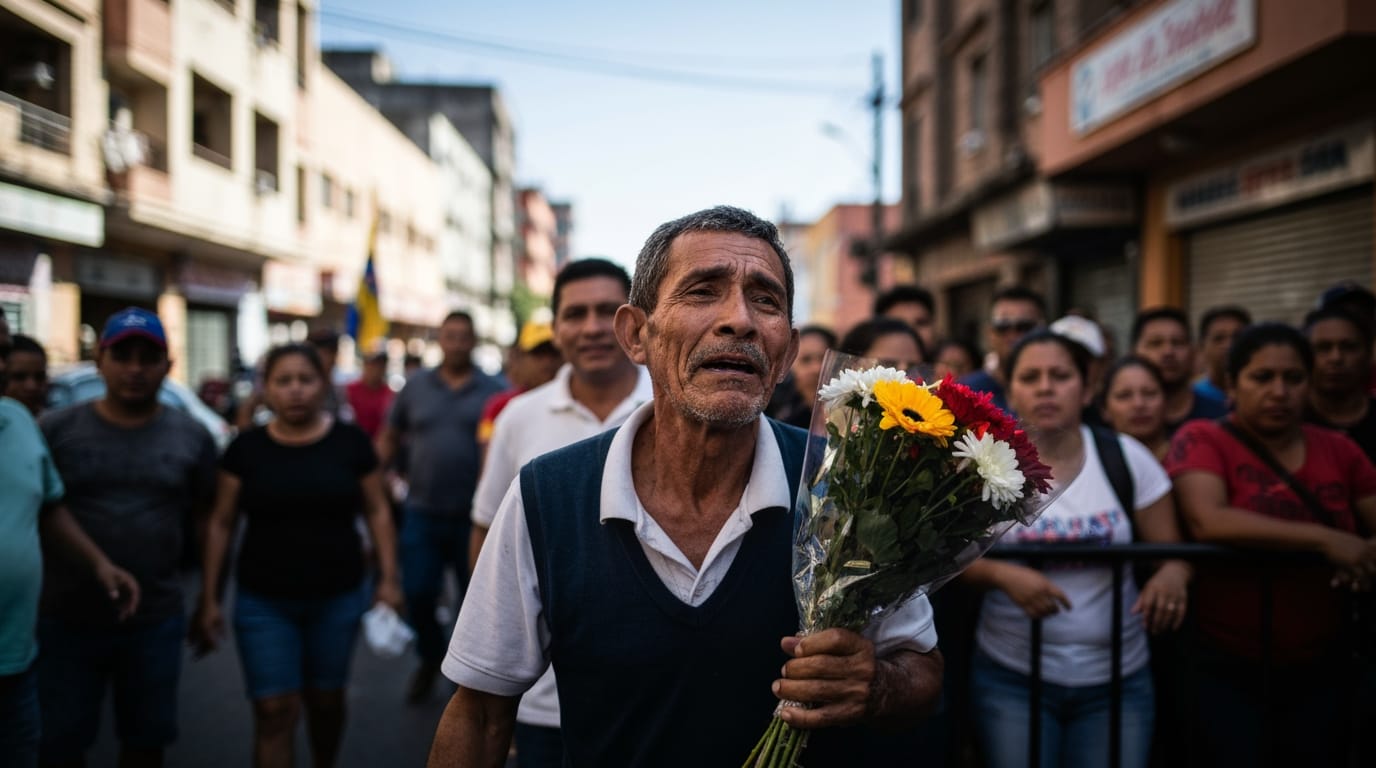
The most significant recent wave of releases occurred on Christmas Day 2025, when Venezuelan authorities freed 99 prisoners. This action, described by the Ministry of Penitentiary Services as a goodwill gesture and a concrete expression of the state's commitment to peace, dialogue, and justice, was met with emotional scenes outside various detention centers. Nongovernmental organizations like Foro Penal and Justicia, Encuentro y Perdón, while confirming the releases, noted discrepancies in exact numbers, with some initially reporting more than 60 individuals freed.
Many of those released had been held on charges such as "incitement to hatred" and "acts of violence" linked to the post-election protests. Among those reported to be freed was Marggie Orozco, a 65-year-old physician who had been sentenced to 30 years in prison for critical content against the Maduro government, allegedly shared in a voice message. While these individuals are now out of detention, the conditions of their release often remain unclear, with some suggesting they are subject to travel restrictions or prohibitions on public statements. Rights groups contend that such conditions perpetuate a climate of fear, limiting true freedom even after physical release.
The Contested Mandate: Echoes of the July 2024 Election
The arrests and subsequent releases are inextricably linked to the highly disputed presidential election held on July 28, 2024. President Nicolás Maduro claimed victory, securing a third term, despite overwhelming data suggesting challenger Edmundo González had won by a significant margin. The National Electoral Council (CNE), largely controlled by the Maduro administration, declared Maduro the winner but failed to provide detailed precinct-level tally sheets to substantiate the results, a critical omission that immediately raised international concerns.
Opposition groups, led by figures like González and the barred candidate María Corina Machado, presented their own tallies, asserting that González had overwhelmingly won with more than two-thirds of the votes. This perceived electoral manipulation ignited widespread anti-government protests across the country, with hundreds of thousands taking to the streets, particularly in lower-income neighborhoods once considered strongholds of Chavismo. The government's response was swift and severe, characterized by what human rights groups termed "Operation Knock Knock" (Operación Tun Tun), a nationwide campaign of intimidation, harassment, and repression targeting critics and protesters.
A Broader Crackdown: Arrests, Charges, and Human Rights Alarm
The post-election crackdown saw thousands arrested. Official figures from the Venezuelan government initially reported around 2,400 arrests, while human rights organizations like Foro Penal documented over 1,500 detentions by August 2024, including women and teenagers. Those detained included political leaders, lawyers, poll workers, election volunteers, and ordinary citizens participating in protests. Many faced vague charges such as "incitement to hatred" and "terrorism," offenses carrying potentially lengthy prison sentences of up to 30 years.
Reports from organizations like the Venezuelan Prison Observatory detailed concerning conditions for detainees, including physical and psychological abuse, lack of basic services, and instances of being held incommunicado. The selective and discretionary nature of arrests and releases has led human rights groups to argue that imprisonment is used as a tool of political persecution, rather than legitimate law enforcement. As of late 2025, Foro Penal reported that Venezuela still held at least 902 political prisoners, illustrating the scale of ongoing arbitrary detentions despite the recent pardons.
International Condemnation and Diplomatic Maneuvers
The Venezuelan government's actions following the 2024 election, particularly the lack of transparency and the mass arrests, drew strong condemnation from the international community. World leaders, including Pope Francis, and countries such as the United States and several European nations, expressed serious concerns and called for respect for human rights, truth-seeking, and the avoidance of violence. The United States, which had considered Maduro's previous 2018 election illegitimate, reiterated its doubts about the 2024 results and increased pressure on Caracas.
Amidst these pressures, the Maduro government has engaged in intermittent releases, sometimes in exchange for concessions or as part of broader diplomatic maneuvers. For instance, in July 2025, Venezuela agreed to free American detainees and dozens of Venezuelan political prisoners in exchange for the return of Venezuelan nationals deported from El Salvador. However, critics often view these releases as tactical gestures designed to alleviate international pressure rather than a fundamental shift in policy. The concept of a "revolving door" has been cited by opposition groups, where some are released while others are simultaneously detained, maintaining a high number of political prisoners. The increasing military presence of the U.S. in the Caribbean, described by U.S. officials as counternarcotics missions, has further amplified tensions, with Maduro accusing Washington of attempts at regime change and using external threats to justify crackdowns on internal dissent.
Looking Forward: A Precarious Path to Resolution
The recent releases of dozens of individuals from Venezuelan prisons offer a glimmer of hope and momentary relief for the affected families. However, they do not signify a resolution to the deep political and humanitarian crisis plaguing Venezuela. Human rights organizations continue to advocate for the unconditional release of all political prisoners, emphasizing that true freedom and justice can only be achieved through systemic reforms, transparency in governance, and genuine respect for democratic principles.
The post-election landscape remains fraught with tension, with a government determined to maintain power and an opposition committed to challenging its legitimacy. While the world watches, the fate of hundreds still detained, and the broader trajectory of Venezuelan democracy, hinges on a delicate balance between internal demands for change and persistent international pressure for accountability and human rights.