Viral 'Trump' Buffalo Spared from Slaughter, Finds New Home at National Zoo
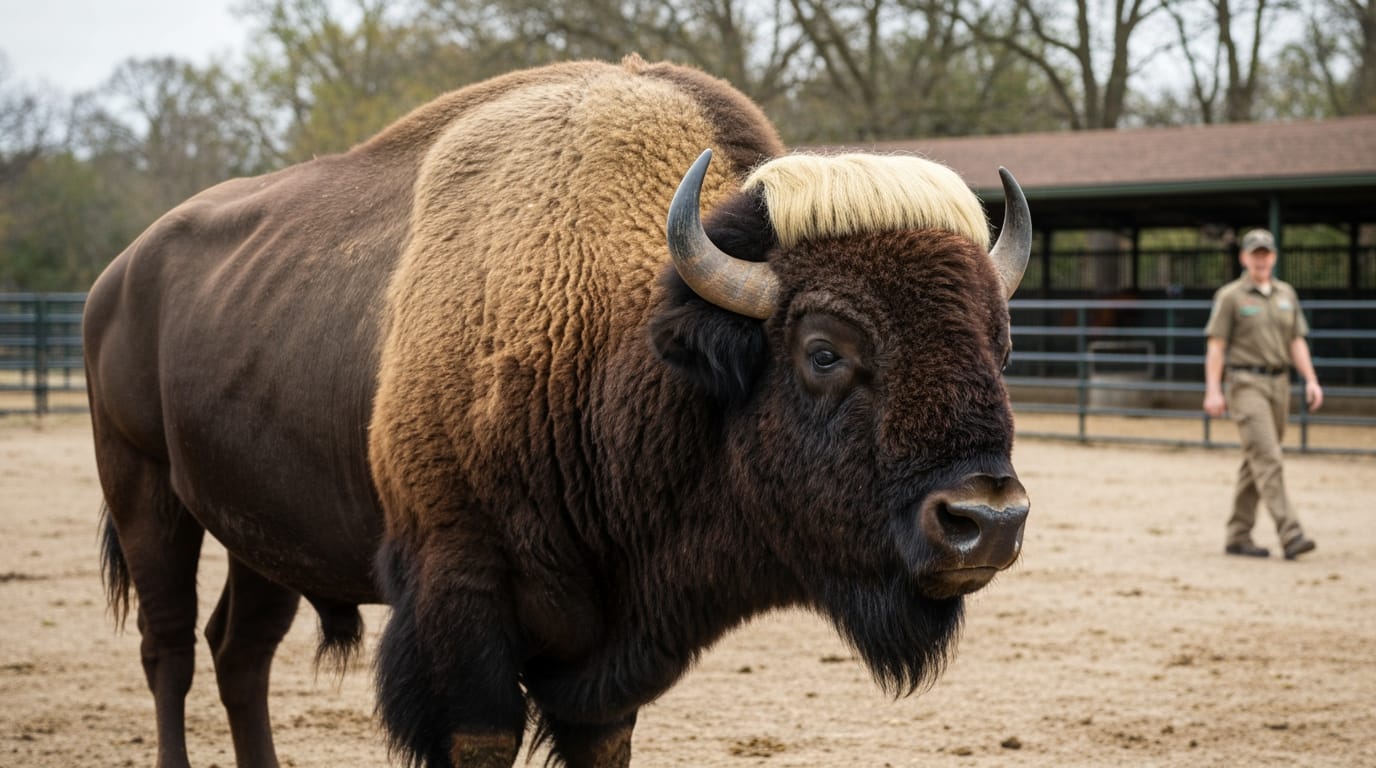
Dhaka, Bangladesh – In an extraordinary turn of events that captured national attention and ignited social media, a rare albino buffalo nicknamed "Donald Trump" for its distinctive blond coiffure has been dramatically saved from ritual slaughter and relocated to the National Zoo in Dhaka. The saga of the 700-kilogram (1,500-pound) bull, initially destined for sacrifice during the upcoming Eid al-Adha festival, highlights the unexpected power of public fascination and government intervention in animal welfare.
The unusual bovine, a four-year-old albino bull with a striking helmet of light, wavy hair and pinkish skin, became an overnight sensation across Bangladesh and beyond, drawing comparisons to the signature hairstyle of the former U.S. President. Its sudden fame led to a groundswell of public interest, prompting authorities to step in and grant the animal a reprieve, securing its future at a prominent national institution.
From Farm to Viral Fame: The Birth of 'Trump'
The buffalo's journey to unexpected celebrity began on a farm in Narayanganj, near Bangladesh's capital, Dhaka. Its distinctive appearance, particularly its light-colored fur and prominent, almost styled, bangs, quickly caught the eye of Zia Uddin Mridha, the farm owner. It was Mridha's brother who, observing the buffalo's unique hair, playfully bestowed upon it the moniker "Trump," a name that would ultimately prove to be its saving grace.
The animal's unusual resemblance to a globally recognizable figure, coupled with its inherent rarity as an albino buffalo, quickly made it a local marvel. As photographs and videos circulated online, the buffalo transcended its agricultural origins, transforming into a viral phenomenon. Social media platforms buzzed with images of the bovine, attracting a constant stream of curious visitors to the farm, including eager children and onlookers keen to snap a picture with the unlikely celebrity. This burgeoning public interest laid the groundwork for the remarkable events that would follow, setting the stage for a dramatic intervention.
The Eleventh-Hour Reprieve: Government Intervenes
As Eid al-Adha, the "feast of the sacrifice," approached, the buffalo's future seemed predetermined. In observance of this significant Islamic festival, millions of livestock, including goats, sheep, cows, and buffaloes, are traditionally sacrificed globally, with the meat distributed among family, neighbors, and those in need. In Bangladesh alone, an estimated 12 million animals were slated for sacrifice this year. The "Trump" buffalo had been sold by its owner, Zia Uddin Mridha, ahead of the festival, seemingly sealing its fate.
However, the immense public fascination surrounding the animal proved to be its salvation. Concerns mounted over safety due to the overwhelming crowds it attracted. The Bangladeshi government, specifically the Ministry of Home Affairs, took notice of the escalating situation. Interior Minister Asaduzzaman Khan reportedly ordered a halt to the sacrifice, citing the "abnormally growing public interest" and associated safety concerns.
Hours before it was scheduled to face the knife, police swiftly intervened, seizing the buffalo from its new owner's residence in Keraniganj. The Livestock Department also played a crucial role, requesting the buffalo's removal from private hands, emphasizing its status as a rare animal that was still young and could be raised for several more years. This collaborative effort between government agencies underscored a rare moment where a viral sensation translated directly into official action, redirecting the animal's destiny.
A New Chapter: Life at the National Zoo
Following its dramatic rescue, the "Trump" buffalo was transported to its new permanent home: the National Zoo in Dhaka. This relocation marks a significant shift in the animal's life, from a fate of sacrifice to a life of preservation and public display. Authorities have taken extensive measures to ensure the buffalo's well-being in its new environment.
Upon arrival, the buffalo was immediately placed in a mandatory two-week quarantine period to monitor its health and allow for adjustment to its new surroundings. Dr. Mohammad Atiqur Rahman, the curator of the National Zoo, confirmed that all necessary preparations had been made for its accommodation. A dedicated shed has been designated for the albino buffalo, and a specific caregiver has been assigned to oversee its daily needs, ensuring it receives specialized attention and care.
The decision to house the buffalo at the National Zoo was influenced not only by the public safety concerns surrounding its viral fame but also by its inherent rarity. Albino animals, including buffaloes, are uncommon, often resulting from a lack of melanin due to genetic factors, sometimes linked to inbreeding. Housing such a unique specimen in a national zoo offers educational opportunities for the public and contributes to the preservation of rare animal traits.
Broader Implications: Animal Welfare and Viral Culture
The story of the "Trump" buffalo transcends mere novelty; it offers insights into the evolving dynamics of animal welfare advocacy in the digital age. In a country where millions of animals are routinely sacrificed for religious observances, the singular rescue of this buffalo highlights how public sentiment, amplified by social media, can exert influence on traditional practices.
The buffalo's affectionate nickname and its perceived resemblance to a prominent political figure undoubtedly played a crucial role in its viral spread and subsequent rescue. While some commentators noted the irony of its "gentle" demeanor in contrast to the public persona of its namesake, the comparison sparked conversations and garnered attention that a typical albino buffalo might not have received. The "royal farewell" from its original farm, complete with red carpets and smoke displays, further illustrates the human element and the emotional connection people developed with this particular animal.
This incident serves as a poignant reminder of the power of viral stories to elevate individual cases, sometimes leading to significant outcomes. It underscores the growing global awareness of animal welfare issues and the capacity of digital platforms to mobilize public opinion and, in this unique instance, influence governmental decisions to protect an animal from a traditional fate. The "Trump" buffalo, once destined for sacrifice, now stands as a symbol of unexpected reprieve and the profound impact of collective human interest.


